
Blooming
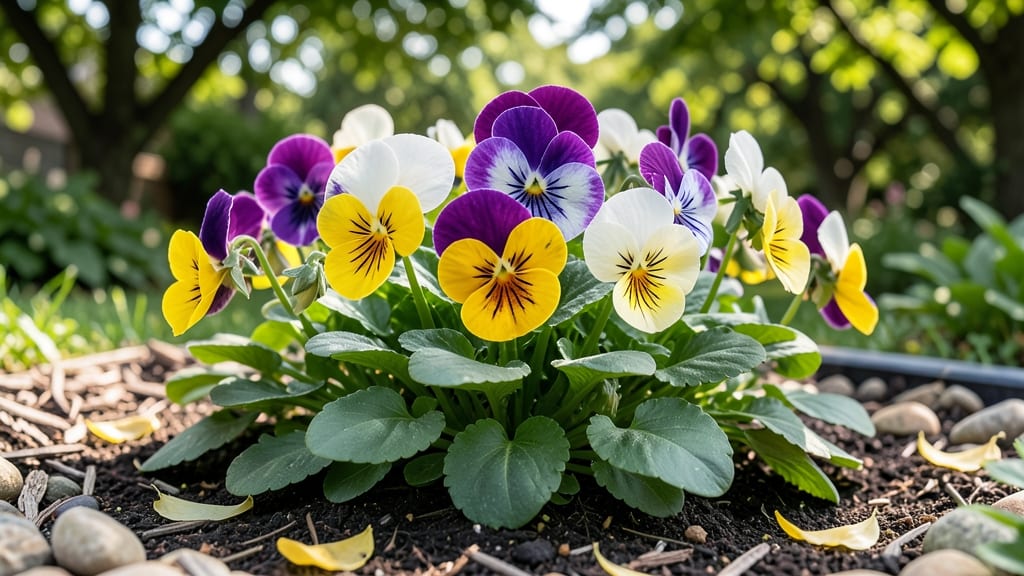
Pansies don't bloom all summer naturally—they typically fade in heat by late spring or early summer. However, cold-hardy varieties like Ice Dance or Major Series can recover with shade and consistent watering, often reblooming in fall when temperatures drop.
Pansies are cool-season flowers that naturally slow down—or even stop blooming—when temperatures climb above 75°F (24°C). This isn't just a preference; their metabolic processes shift into a dormant-like state to conserve energy. 🌿 The good news?
Some varieties are bred to handle brief heat spells better than others, and with the right care—like afternoon shade and regular watering—they can bounce back when cooler weather returns. Think of them as seasonal performers that take a summer break but make a grand return in fall.
For gardeners wanting color all season, I recommend focusing on heat-tolerant pansy types like the Sorbet Series or Cool Wave hybrids. These varieties often continue blooming longer than traditional pansies, especially if you provide afternoon shade and keep the soil consistently moist.
Pruning spent blooms also encourages new growth, while mulching helps maintain even soil temperatures—critical for stressed plants during heatwaves.
💡 In This Article
- Why Pansies Falter in Summer Heat
- Best Pansy Varieties for Extended Summer Blooms
Why pansies falter in summer heat
Pansies are cool-season plants with a built-in survival mechanism: when temperatures rise above 75°F (24°C), their metabolic processes shift into a semi-dormant state. This isn't laziness—it's a physiological response to conserve energy.
At these temperatures, the plant's chlorophyll production slows, and the flowers stop developing because the energy is redirected toward root and leaf maintenance. 🌡️ Think of it like a hibernation mode triggered by heat stress, where the plant prioritizes survival over reproduction.
The real issue lies in their natural growing cycle. Pansies originate from alpine and Mediterranean regions where summers are dry and hot, but they're not adapted to prolonged high temperatures.
When exposed to consistent heat above 80°F (27°C)—common in late spring and summer—their flower buds often fail to open or drop off entirely. This is because high temperatures disrupt the balance of hormones, particularly gibberellins, which regulate blooming. The result?
Fewer flowers and a plant that looks more like a leafy green bush than a vibrant display.
What makes this even more interesting is how pansies contrast with their summer counterparts. Unlike sun-loving annuals like zinnias or marigolds, pansies thrive in cooler conditions (ideal range: 50-70°F/10-21°C).
Their leaves even develop a waxy coating to reduce water loss, but this adaptation backfires in heat—it traps moisture against the leaf surface, creating a greenhouse effect that can scorch the plant. 🌿 This is why you'll often see pansies struggling in mid-summer gardens while other flowers flourish.
The good news is that pansies aren't dead—they're just waiting for cooler weather. When temperatures dip below 75°F (24°C) in late summer or fall, many varieties will rebound surprisingly quickly.
This is why gardeners who plant pansies in early spring or late summer often get two blooming seasons from the same plants, with minimal care beyond consistent watering and light pruning.
Here's what's actually happening at the cellular level: Heat stress causes oxidative damage to the plant's chloroplasts, reducing photosynthesis efficiency. This forces the plant to allocate more energy to repairing damage rather than producing flowers.
However, the roots often remain viable, which is why pansies can recover so dramatically when conditions improve. 💧 The key is maintaining moisture in the soil—dry roots can't support this recovery process.
For gardeners in regions with mild summers, pansies can sometimes continue blooming if given afternoon shade (especially between 12-4 PM when the sun is strongest). This simple adjustment can lower leaf temperatures by 10-15°F (5-8°C), making a noticeable difference in their ability to sustain flowers.
The trade-off? They may produce fewer blooms than in ideal conditions, but the flowers will last longer and look healthier.