
Blooming
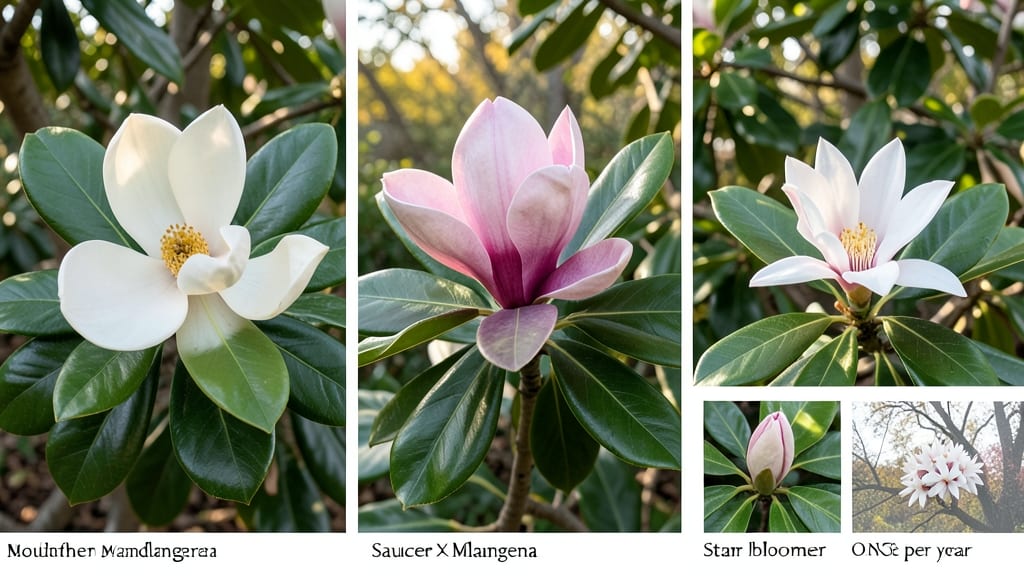
Magnolia trees do bloom twice a year in rare cases, though most varieties stick to a single annual bloom. Certain cultivars like Magnolia × soulangeana (Saucer Magnolia) or Magnolia stellata (Star Magnolia) can produce second flushes of flowers when given optimal growing conditions—including cold winters, strategic pruning, and consistent care. Most magnolias follow seasonal cues for their single yearly bloom cycle.
While most magnolias stick to one annual bloom cycle, the exceptions prove fascinating. 🌸 The rare varieties that rebloom do so because they've evolved unique genetic traits or been selectively bred to respond differently to environmental triggers.
For example, Saucer Magnolias often produce secondary blooms in late summer if they experience proper dormancy during winter months. This second flush typically appears smaller but just as fragrant, offering gardeners an extended display of color.
What truly makes these reblooming magnolias special is their adaptability. Unlike their single-bloom cousins, these varieties can adjust their flowering cycles based on temperature fluctuations and pruning practices. For instance, light pruning after the first bloom encourages new growth that may develop into secondary flowers.
However, this only works for specific cultivars—most traditional magnolias remain loyal to their one-season schedule.
💡 In This Article
- Why Most Magnolias Bloom Just Once (And Exceptions)
- Encouraging Extra Magnolia Blooms: Pruning and Care Tips
Why most magnolias bloom just once (and exceptions)
The single-bloom cycle in magnolias stems from their deep evolutionary roots. These ancient trees (some dating back 100 million years) developed a strategy of storing energy for one spectacular display rather than multiple modest ones.
Their flowering is triggered by a combination of chilling hours (typically 400-800 hours below 45°F) and day length changes. This dual cue system ensures flowers appear when pollinators are most active, maximizing reproductive success. 🌿 The trade-off?
All that energy goes into one 3-7 inch bloom rather than several smaller ones.
Exceptions like Saucer Magnolias (Magnolia × soulangeana) break this pattern through genetic quirks. These hybrids developed from crossing different species, inheriting traits that allow them to produce secondary blooms.
The key difference lies in their bud formation timing—while most magnolias form buds in late summer for next year's flowers, Saucer Magnolias can form additional buds after their initial bloom if conditions are right.
Star Magnolias (Magnolia stellata) take this further by producing flowers on both old and new wood, creating potential for multiple blooming cycles.
Temperature plays a crucial role in these exceptions. For a Saucer Magnolia to rebloom, it typically needs two distinct cold periods—one for initial bud formation and another to trigger secondary buds.
This explains why gardeners in milder climates (like USDA Zone 7-9) often see reblooming while those in colder zones (Zone 4-6) may not. The tree's internal clock, regulated by hormones like florigen, gets reset by these temperature fluctuations, allowing for the second flush. 🌡️
Light exposure also factors into reblooming potential. Magnolias that produce secondary flowers often do so on branches that receive at least 6 hours of direct sunlight daily. This light triggers photosynthesis, which fuels the additional blooming energy.
In contrast, shaded magnolias conserve energy for root growth rather than flower production. The leaf-to-flower ratio becomes critical—too many leaves mean less energy for flowers, while balanced foliage allows for both growth and blooming.
Soil conditions create another layer of complexity. Reblooming magnolias thrive in well-draining, slightly acidic soil (pH 5.5-6.5). The right balance of nutrients—particularly phosphorus and potassium—supports both initial and secondary blooming.
Over-fertilizing with nitrogen, however, can lead to lush foliage at the expense of flowers. This nutrient competition explains why some apparently healthy magnolias fail to rebloom despite ideal temperature conditions. 🌱
What's particularly interesting is how these reblooming traits appear in hybrid varieties. Through selective breeding, horticulturists have combined traits from different magnolia species to create trees that push the boundaries of natural flowering patterns.
For example, the 'Alexandrina' Saucer Magnolia often produces 20-30 flowers in its first flush and 5-10 in the second**, demonstrating how human intervention can alter nature's original single-bloom strategy.