Blooming
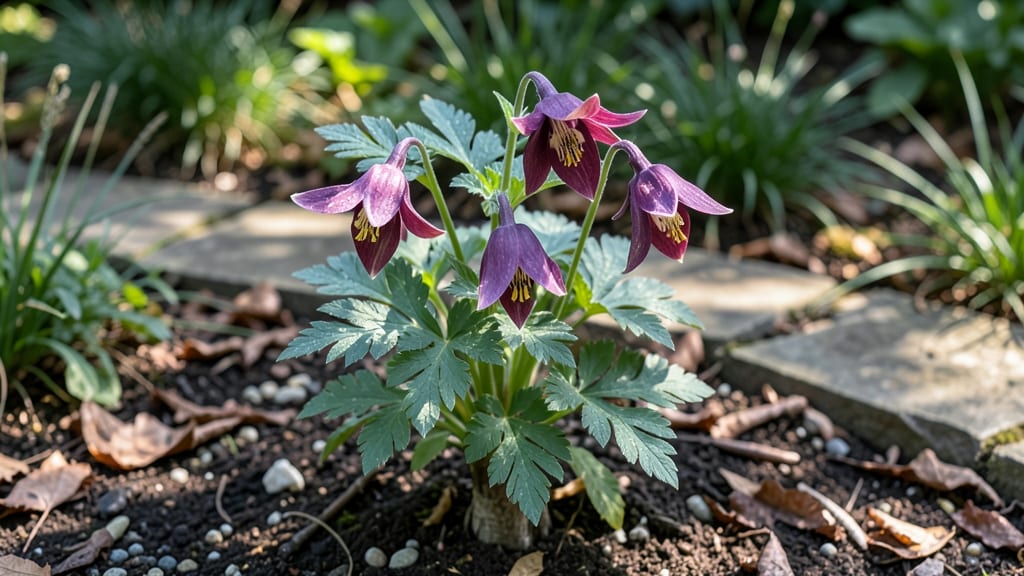
Columbines do not bloom all summer: most varieties flower in spring to early summer, with some reblooming in late summer or fall depending on climate, water, and specific species like Aquilegia canadensis or Aquilegia vulgaris. Deadheading spent blooms can encourage prolonged flowering in some types.
Columbines are seasonal showstoppers, but their blooming windows vary dramatically by type and location. 🌸 In cooler climates like Zones 3-5, many varieties like the classic blue columbine (Aquilegia coerulea) bloom from late spring through early summer, while southern hybrids might extend into fall.
The key factors are daylight hours and temperature—once summer heat peaks, most columbines take a break until cooler weather returns. That said, some late-season varieties, like red columbine (Aquilegia canadensis), can reward gardeners with a second flush of blooms if given consistent moisture and well-draining soil.
What often surprises gardeners is how much control you have over their flowering schedule. Deadheading isn't just about looks—it redirects the plant's energy toward new growth rather than seed production.
I've seen double-blooming hybrids produce a second wave of flowers in late summer if I remove spent blooms promptly and keep the soil evenly moist. For best results, pair them with shade-tolerant companions like ferns or astilbes, which help maintain consistent soil moisture during their peak blooming months.
💡 In This Article
- Columbine Flowering Seasons by Variety and Climate
- Extending Columbine Blooms: Pruning, Watering, and Soil Tips
Columbine flowering seasons by variety and climate
Columbines follow a strict seasonal rhythm tied to photoperiodism—their internal response to daylight length. Most varieties bloom when daylight hours reach 14-16 hours in spring, which triggers flower production.
For example, Aquilegia vulgaris (common garden columbine) typically flowers from May to July in temperate zones, while Aquilegia canadensis (red columbine) may extend blooms into August or September in cooler northern climates.
The shift to shorter days in late summer signals the plant to pause flowering and focus on seed development.
Temperature plays a critical role too. Columbines thrive in USDA Zones 3-8, but their blooming windows shrink in hotter climates. In Zone 9+, varieties like Aquilegia formosa may bloom year-round in mild winters, while in Zone 5, they often produce a single flush in spring before dormancy.
Altitude matters: high-elevation gardens (above 5,000 feet) can see extended blooming because cooler temperatures slow metabolic processes, preserving energy for flowers rather than seeds.
Native species show the most dramatic regional variations. Eastern red columbine (Aquilegia canadensis) blooms from May to June in the Midwest but may rebloom in September if moisture is consistent.
Meanwhile, Pacific columbine (Aquilegia formosa) on the West Coast flowers from March to May, with occasional late-summer blooms in coastal foggy zones. These patterns highlight how columbines adapt to local microclimates.
Hybrid varieties often break these rules slightly. Breeders have developed double-blooming hybrids that produce two flushes—one in spring and another in late summer to fall—if given proper care. The trade-off?
These hybrids may have slightly shorter individual blooming periods (3-4 weeks) compared to native types (6-8 weeks). The key difference lies in their genetic programming: hybrids prioritize prolonged but less intense flowering, while natives focus on a single, dramatic display.
What most gardeners miss is how soil temperature affects root activity. Columbines need 50-65°F soil temps for optimal flowering. In hot summers, roots may become dormant, halting blooms even if air temps are mild.
This is why mulching with compost (3-4 inches) helps maintain steady root-zone temperatures, potentially extending blooms by 2-3 weeks in marginal climates.
Consider these regional blooming windows as a general guide:
- Northern climates (Zones 3-5): May-June primary bloom, occasional September rebloom
- Midwest (Zones 6-7): April-July, with hybrids extending to August
- Pacific Northwest (Zone 8-9): March-May and September-October in coastal areas
- Southeast (Zone 8+): Year-round in mild winters, but peak spring and fall