
Flowers
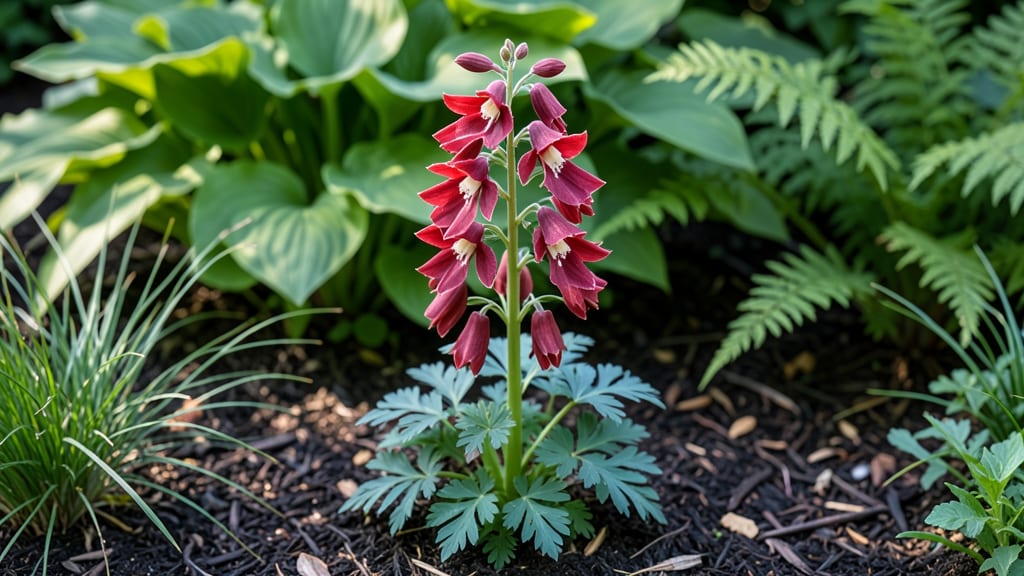
Columbine flowers don't bloom all summer continuously; they typically produce vibrant spring blooms followed by sporadic summer reblooming that lasts 4-8 weeks, depending on your climate and how well you care for them. Some cool-season varieties may even revive in fall with the right conditions.
Columbine flowers follow a seasonal rhythm tied to temperature shifts, which explains why they don't stay in bloom all summer.
Most varieties—like the classic aquilegia vulgaris—focus their energy on spring flowering, then enter a natural dormancy phase during peak heat. 🌸 What's interesting is that some species, such as aquilegia canadensis, may produce smaller clusters of flowers in late summer if given consistent moisture and partial shade.
The key is understanding each variety's native growing conditions, as wild columbines often bloom in cooler mountain regions where summer heat is less intense.
For gardeners in hotter climates (USDA zones 7-9), the challenge is creating conditions that mimic their natural habitat. This means avoiding soggy soil while keeping roots cool with mulch or strategic shade placement.
I've found that deadheading spent blooms—removing faded flowers—can sometimes trigger a second round of blooms in late summer, though results vary by variety.
💡 In This Article
- Columbine Bloom Cycles by Season and Variety
- Tips to Extend Columbine Blooms Through Summer
Columbine bloom cycles by season and variety
The flowering patterns of columbines are tightly linked to their native habitats, where many species evolved in mountainous regions with cool summers.
Take aquilegia vulgaris, the European columbine: it typically blooms from late spring to early summer (May-June) in its natural range, producing clusters of nodding flowers that last 4-6 weeks before entering dormancy.
The key trigger is temperature—when daytime highs exceed 80°F, these plants often go dormant to conserve energy, a survival mechanism from their alpine origins.
In contrast, North American varieties like aquilegia canadensis (wild columbine) may exhibit a different rhythm. While their primary bloom occurs in spring, some plants produce smaller, secondary blooms in late summer (August-September) if given consistent moisture and partial shade.
The difference lies in their genetic adaptation to continental climates where summer heat is less extreme than in Mediterranean zones. 🌿 For gardeners in USDA zones 5-6, this means columbines may naturally extend their display through early fall, while those in zones 7-9 often require artificial cooling through mulching or shade cloth.
What most gardeners overlook is how light exposure affects blooming cycles. Columbines are photoperiod-sensitive, meaning they respond to daylight length changes. In northern climates, shorter summer days can trigger dormancy, while in southern regions, the opposite occurs—prolonged daylight may delay blooming until fall.
This explains why some varieties in Florida might bloom in October while those in Minnesota finish by July. The solution? Choose varieties matched to your local growing season—early bloomers like aquilegia formosa for cooler regions, or heat-tolerant hybrids for southern gardens.
Another critical factor is soil temperature. Columbine roots prefer cooler ground—ideal soil temps for blooming range between 60-70°F. When soil exceeds 75°F, root activity slows, stunting flower production.
This is why mulching with 2-3 inches of organic matter (like shredded bark) can extend blooming seasons by keeping roots cool. The mulch also retains moisture, which is crucial since drought stress accelerates dormancy in these moisture-sensitive perennials.
Consider these variety-specific blooming windows when planning your garden:
- Early spring bloomers: Aquilegia vulgaris (May-June), thrives in zones 3-8 with cool summers
- Summer rebloomers: Aquilegia canadensis (June-August), prefers zones 4-7 with consistent moisture
- Late-season varieties: Aquilegia formosa (July-September), adapted to zones 5-9 with partial shade
For gardeners in transitional zones (like zone 6-7), the secret to summer blooms often lies in providing afternoon shade during peak heat—this mimics the dappled light conditions of their native woodlands. The result? Extended flowering windows that can push blooms into early fall when temperatures dip below 85°F. 🌸