
Blooming
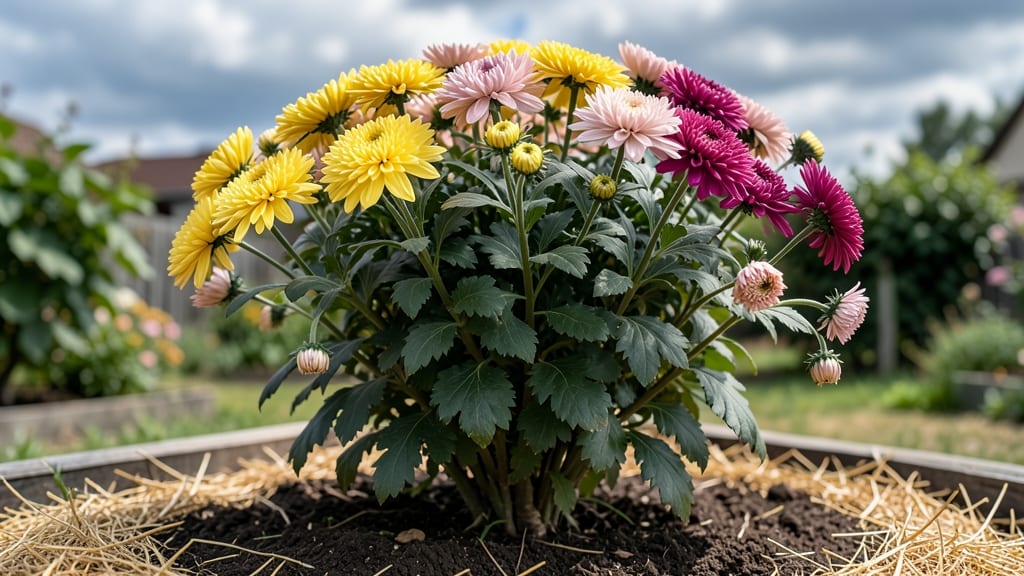
Chrysanthemums do bloom every year as perennials in USDA Zones 5-9, but their flowering depends on variety, proper care, and winter hardiness. Some types may need seasonal pruning or protection to rebloom annually.
Most chrysanthemums are hardy perennials that return year after year, but their blooming habits vary wildly depending on the cultivar. 🌼 For example, hardy garden mums like 'Bonanza' or 'Mammoth' often flower reliably in fall, while some florist varieties need specific light triggers to rebloom.
The key to consistent blooms lies in understanding your plant's needs—whether it's deadheading spent flowers, providing winter protection, or adjusting sunlight exposure. In my experience, even the most reliable varieties can skip blooming if they experience stress from extreme temperatures or poor soil drainage.
For gardeners in colder zones, mulching with straw or leaves before winter can make all the difference.
I've seen chrysanthemums that struggled in Zone 5 thrive after adding an extra layer of protection—sometimes just a few inches of mulch prevents root damage that would otherwise signal the plant to skip flowering.
The good news is that with the right care, even finicky varieties can deliver those vibrant fall blooms year after year.
💡 In This Article
- Why Some Chrysanthemums Skip Blooming
- How to Encourage Annual Chrysanthemum Blooms
Why some chrysanthemums skip blooming
Chrysanthemums are photoperiod-sensitive plants, meaning their flowering triggers rely on daylight hours. Most varieties need 12-14 hours of darkness per day to initiate bloom formation—a process called "short-day response."
When daylight stretches beyond 14 hours (common in summer), many chrysanthemums enter a vegetative state, storing energy for next year's growth instead of flowering. This explains why some garden mums bloom beautifully in fall but skip entirely in spring, when days are longer.
The science gets even more interesting with temperature factors. Chrysanthemums require a period of cool nights (below 60°F) combined with shorter days to break dormancy and prepare for blooming.
In warmer climates or during unseasonably hot summers, this temperature threshold isn't met, and the plant may never trigger its flowering genes. For example, 'Bright Golden Anne'—a popular fall-blooming variety—often skips blooms in Zone 9 if summer temperatures exceed 85°F for extended periods.
The plant essentially "waits" for optimal conditions, which might never arrive if summer lingers too long.
Variety plays a crucial role too. Hardy garden mums like 'Mammoth' are bred to tolerate wider temperature ranges and shorter daylight, while tender florist varieties (like 'Sahin' series) demand precise light conditions.
I've noticed that container-grown chrysanthemums—especially those moved indoors during winter—often struggle to rebloom because their natural light cycles are disrupted. Even a single week of artificial light exposure can delay or prevent flowering entirely, as it tricks the plant into thinking days are longer than they are.
Another common culprit is improper pruning or over-fertilizing with nitrogen. When gardeners focus on leafy growth (via high-nitrogen fertilizers), the plant prioritizes foliage over flower buds. The ideal ratio is 10-10-10 fertilizer (equal parts nitrogen, phosphorus, potassium) with an emphasis on phosphorus to encourage blooming.
I've seen chrysanthemums with lush green leaves but no flowers because they were fed too much nitrogen in spring—a classic case of misplaced energy allocation.
Finally, winter stress can permanently damage a chrysanthemum's ability to bloom. In Zone 5, for instance, temperatures dropping below -20°F can kill the crown (the part where new growth emerges). Even if the plant survives, the shock may prevent it from producing flowers the following year.
This is why mulching with 4-6 inches of straw or leaves is critical—it insulates the roots and maintains soil temperatures above 20°F, protecting the plant's energy reserves for spring regrowth.
Here's what actually happens at the cellular level: Chrysanthemums produce a hormone called florigen in response to short days and cool temperatures. This hormone travels to the shoot tips, where it triggers the formation of flower buds.
If the conditions aren't right, florigen production stalls, and the plant remains in a vegetative state. Think of it like a biological light switch—flip the conditions (daylight + temperature), and the blooms turn on.