
Blooming
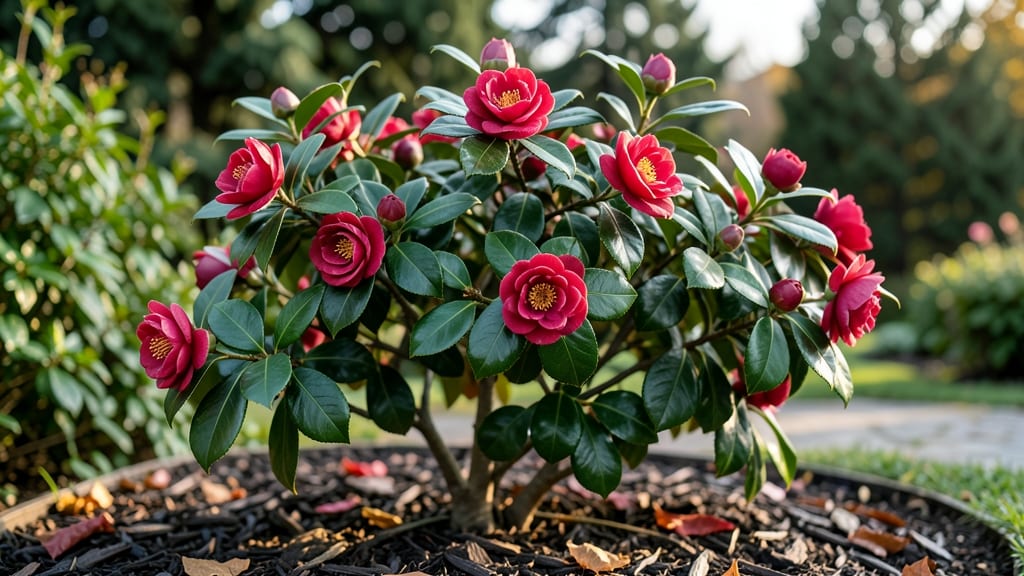
Camellia bloom time varies wildly depending on your zone, with some varieties lighting up winter while others wait until spring — and that difference isn't just about luck.
Picture this: Your neighbor’s Camellia sasanqua 🌸 bursts into color in December, while yours sits stubbornly bare until March. The reason? Their plant thrives in Zone 8’s milder winters, while yours is in Zone 6a, where frost still lingers.
Understanding these triggers is the key to unlocking year-round blooms, not just waiting for nature to decide.
Beyond zones, light, temperature, and even pruning habits shift bloom windows. A south-facing garden in California might see summer blooms, while the same variety in the U.S. South could flower in late fall.
The good news? With the right adjustments, you can coax your camellias into blooming when you want — not just when they feel like it.
In this guide, I’ll break down the science behind bloom timing, zone-by-zone triggers, and the 3 simple care tweaks that can extend your camellia’s show by months. No more guessing games — just predictable, stunning color on your schedule.
Understanding Camellia bloom time by USDA hardiness Zones
Camellias are famous for their stunning, long-lasting blooms, but their timing varies dramatically depending on your USDA hardiness zone. If you’re in Zone 7, you might see winter blooms, while Zone 10 gardeners enjoy spring and fall displays.
The key lies in understanding how temperature triggers and seasonal light changes influence each variety.
Most gardeners focus on two primary types: Camellia japonica (classic winter bloomer) and Camellia sasanqua (fall/winter favorite). Hybrids blend these traits, creating year-round possibilities—if you know how to coax them. Let’s break down what to expect in Zones 7 through 10, where camellias thrive.
Notice how Camellia japonica shifts later in warmer zones? In Zone 7, blooms peak in December–February when temps drop below 60°F. But by Zone 10, those same flowers may wait until March–May because the plant doesn’t experience the same cooling period it needs to trigger buds.
Conversely, Camellia sasanqua loves fall’s crisp air and often blooms in October–December in cooler zones. However, in Zone 10, its blooms stretch into January–March because the lack of frost delays dormancy.
This is why hybrids like 'Spring’s Promise' are game-changers—they can bloom in multiple seasons if given the right conditions.
Light also plays a critical role. Camellias need 6–8 hours of partial shade to set buds. In Zone 9 and 10, where summers are hot, afternoon shade prevents buds from dropping prematurely. Without this protection, your camellia might skip flowering entirely or produce sparse blooms.
Another key factor is chill hours. Most camellias require 200–500 hours below 45°F to flower. In Zone 7, this happens naturally, but in Zone 10, you might need to simulate chill with light shade cloth or evening watering to cool the plant slightly.
This trick can push late-season blooms into action.
If you’re in Zone 8 or 9, you can stagger plantings of japonica and sasanqua varieties to create a continuous bloom cycle. For example, plant a winter-blooming japonica alongside a fall-blooming sasanqua—their cycles will overlap beautifully.
This layered approach ensures your garden never loses its camellia color.
Pro tip: Pay attention to your local microclimate. Coastal areas in Zone 10 (like San Diego) may have cooler winters
How to extend Camellia bloom time with pruning and care
Camellias are stunning year-round plants, but their bloom time often feels short-lived. The secret to extending those showy flowers lies in timely pruning and seasonal adjustments. Unlike many plants, camellias bloom on old wood, so pruning too late can cut off next year’s flowers.
Let’s dive into the step-by-step care that keeps your camellias flowering longer.
Your hardiness zone plays a huge role in bloom timing. In Zones 7-8, camellias often bloom from winter to early spring, while Zone 9-10 varieties may flower year-round with the right care.
The key is to prune after blooming and adjust watering and mulching to regulate soil temperature. Let’s break it down into actionable steps.
Step-by-Step Guide to Extending Camellia Bloom Time
- 1 Prune after blooming (late spring to early summer). Remove dead or crossing branches to improve airflow. Avoid heavy pruning—stick to light shaping to preserve next year’s blooms.
- 2 Water deeply but infrequently. Camellias hate soggy roots but need consistent moisture. Water morning-only to prevent fungal diseases, especially in humid climates like Zones 8-10.
- 3 Mulch heavily (3-4 inches) with acidic mulch like pine bark. This keeps roots cool in summer and warm in winter, encouraging longer bloom cycles. Replenish mulch annually.
- 4 Fertilize in early spring (March) with an acid-loving formula (8-4-8 NPK). Avoid fertilizing after mid-summer to prevent new growth that won’t harden before winter.
-
5
Adjust care by zone:
- Zones 7-8: Prune June-July; protect from late frosts with burlap wraps.
- Zones 9-10: Prune July-August; water bi-weekly even in dry spells.
One common mistake is pruning too late in the season. If you prune after June 15, you risk cutting off next year’s flower buds, which form on old wood. Instead, focus on light shaping and removing dead branches to keep your camellia healthy without sacrificing blooms.
For year-round blooms, consider planting a mix of Camellia japonica (spring bloomers) and Camellia sasanqua (fall-winter bloomers). This staggered approach ensures continuous color from late fall through spring. Just remember: sasanqua varieties are more cold-hardy and thrive in Zones 7-9.
Finally, watch for pests like scale or aphids, which can stress your camellia and shorten bloom time. A neem oil spray in early spring keeps pests at bay while supporting vibrant, long-lasting flowers.
With these adjustments, your camellias will reward you with months of stunning blooms instead of just a few weeks! 🌸