
Pruning
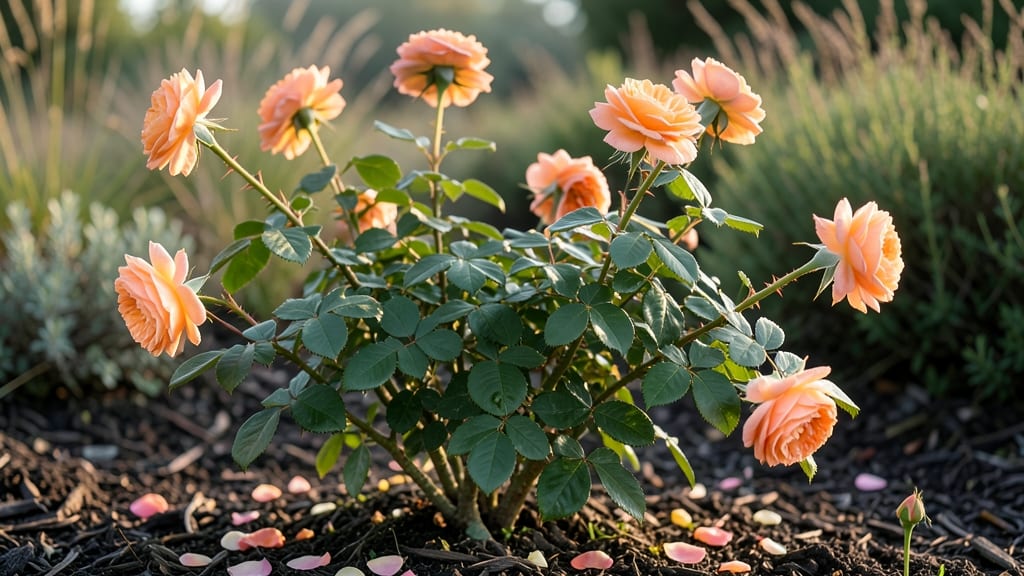
Your Sunset rose bush could bloom nonstop this summer—if you prune it the right way. ✂️ I’ve watched this exact rose variety transform from a tangled mess to a vibrant, productive showstopper with just a few strategic cuts each season. The secret? Pruning for healthier growth, not just aesthetics.
Most gardeners over-prune or cut at the wrong time, sending roses into shock. Instead, focus on 3 key cuts: removing dead wood in early spring, shaping in late winter, and deadheading spent blooms all summer.
Each cut encourages new growth where you want it—more flowers, fewer thorns, and a bush that stays compact. By mid-July, you’ll see bold new canes pushing out from your pruning sites, each one loaded with buds.
The blooms stay fresh longer, the plant resists disease better, and you’ll spend less time wrestling with unruly branches. It’s the difference between a rose bush that fades after June and one that keeps delivering until frost. Works for newly planted bushes or established ones—just adjust the timing.
Let’s get those shears sharp and turn your Sunset into the star of the garden.
📚 In This Guide
- What you need
- Instructions
- Tips and common mistakes
- Wrapping up and next steps
What you need
- ● Bypass pruners: Sharp, clean pair (size 7-8 inches) for cutting stems up to ½ inch thick.
- ● Loppers: 1 pair (18-24 inches) for thicker branches (up to 1.5 inches in diameter).
- ● Hand pruners (felco or equivalent): 1 pair for precision cuts on smaller stems.
- ○ Garden saw: 1 (optional but helpful for stubborn, thick branches).
- ● Disinfectant (rubbing alcohol or bleach solution): To clean tools between cuts and prevent disease spread.
- ● Gloves: 1 pair (heavy-duty, cut-resistant) to protect your hands from thorns.
- ○ Pruning sealant (optional): For sealing larger cuts (e.g., Tanglefoot Pruning Seal or beeswax-based product).
- ● Trash bags or bucket: For collecting pruned branches and debris.
- ● Notebook & pen: To jot down notes on cuts made (e.g., branch locations, angles, or health observations).
- ● Hose or water source: For rinsing tools and cleaning up sap.
- ● Sunny, dry day: Avoid pruning after rain or in wet conditions to reduce disease risk.
- ● Clear workspace: Remove weeds, dead leaves, or debris around the bush for easy access.
- ● Knowledge of rose anatomy: Familiarize yourself with Sunset Rose growth habits (e.g., canes, buds, and bloom cycles).
- ● Patience & time: Allocate at least 30-60 minutes for a thorough pruning session.
Instructions for pruning a Sunset rose bush
Here's the method I use to keep my Sunset roses blooming abundantly while preventing disease and pests.
✂️ Step 1: Time Your Pruning for Optimal Growth
Prune your Sunset rose bush in early spring, just as new growth begins but before buds swell. This timing ensures you remove dead wood while stimulating fresh, vigorous shoots. I avoid pruning in fall—it leaves cuts vulnerable to winter diseases and weakens the plant's ability to harden off.
Watch for the first pale green buds along the stems—those signal it's time. If you prune too early, you risk cutting back growth that's already started. If you wait too long, the bush will put energy into blooms instead of establishing strong new canes for next year.
✂️ Step 2: Remove Dead, Diseased, and Weak Wood First
Start by cutting out any blackened, mushy, or hollow stems—these are dead or diseased and won't recover. Use clean, sharp pruners (I sterilize mine with rubbing alcohol between cuts) to make 45-degree angles just above an outward-facing bud. This encourages new growth to spread outward, improving air circulation.
Next, trim back any thin, spindly canes that haven't thickened over winter. These won't produce strong blooms and compete with healthier stems for nutrients. I also remove any crossing branches—where two stems rub together—to prevent future wounds and infection.
✂️ Step 3: Shape the Bush for Airflow and Light
Step back and visualize the bush's natural shape. Sunset roses respond well to an open, vase-like form that lets sunlight and air reach the center. Cut back the tallest canes by one-third to encourage branching lower down. For each cut, aim to leave 3-5 strong buds above the cut—this ensures 3-5 new shoots will emerge.
Prune the outside of the bush first, then work inward. This prevents blocking light from reaching the center where new growth will sprout. If you see water sprouts (thin, upright shoots growing from the base or along the stem), remove them entirely—they drain energy from blooms.
✂️ Step 4: Thin Out Crowded Centers and Encourage Blooms
Focus on the center of the bush where stems often grow too densely. Remove every other cane to improve airflow—this reduces humidity and prevents fungal diseases like black spot. For each cane you keep, make sure it has at least 3-4 strong buds remaining to support new growth.
Look for suckers (shoots growing from the base or below the graft union) and cut them off at the ground. These compete with the main plant for resources. After pruning, the bush should look like a loose, airy skeleton with plenty of space between branches.
💧 Step 5: Clean Up and Apply Post-Pruning Care
Rake up all pruned material and dispose of it in the trash—never compost diseased or infested stems. Sterilize your pruners again with rubbing alcohol or a 10% bleach solution to prevent spreading pathogens. I also apply a balanced fertilizer (10-10-10) around the base after pruning to replenish nutrients lost during the process.
Water deeply right after pruning to help the plant recover. Avoid heavy watering for 3-5 days afterward to let small cuts heal, but keep the soil evenly moist (not soggy) to support new growth. Mulch with 2-3 inches of organic mulch to retain moisture and protect roots from temperature swings.
Tips & tricks for pruning Sunset rose bushes
These practical insights will help you transform your Sunset roses into a blooming powerhouse—without the common pitfalls that leave bushes struggling.
Timing is Everything: The early spring window (just as pale green buds appear) is your golden hour. I've learned this the hard way—pruning too early risks cutting back tender new growth, while waiting too long diverts energy from establishing next year's canes. Mark your calendar for when forsythia blooms nearby; that's your cue to start watching for those first pale green buds.
Tool Prep Prevents Problems: Sterilizing your pruners between cuts (I use rubbing alcohol) isn't just about cleanliness—it's about saving your rose bush. Diseased stems can harbor pathogens that spread through fresh cuts. Keep a small bottle of alcohol handy and wipe blades after every 3-5 cuts, especially when dealing with blackened or mushy stems. A sharp tool makes cleaner cuts that heal faster too.
Shape with Purpose: When cutting back tallest canes by one-third in Step 3, visualize creating an open vase shape. This isn't arbitrary—Sunset roses thrive when sunlight reaches the center. I like to think of it as creating a "breeze tunnel" through the bush. After pruning, you should be able to see light through the center when standing 3 feet away. The 3-5 buds left above each cut become your framework for next season's blooms.
Post-Pruning Recovery: The 3-5 day watering break after pruning is crucial for wound healing. I've seen too many gardeners overwater immediately, which can lead to fungal infections through fresh cuts. Instead, give your bush a deep drink right after pruning, then maintain even moisture. Think of it like giving your roses a spa treatment—they need time to recover before resuming their normal routine.
Pro Tips for Sunset Rose Bush
- These practical insights will help you transform your Sunset roses into a blooming powerhouse—without the common pitfalls that leave bushes struggling.
- Timing is Everything: The early spring window (just as pale green buds appear) is your golden hour.
- Tool Prep Prevents Problems: Sterilizing your pruners between cuts (I use rubbing alcohol) isn't just about cleanliness—it's about saving your rose bush.
Frequently asked questions
When is the best time to prune a Sunset Rose bush?
The ideal time to prune your Sunset Rose bush is late winter or early spring (before new growth starts) or right after blooming (late summer). Avoid heavy pruning in fall—it can leave the plant vulnerable to cold damage. Light shaping trims can be done anytime, but major cuts should wait for dormant or post-bloom seasons.
How much can I trim back my Sunset Rose bush?
For rejuvenation pruning, cut back up to ⅓ of the plant’s height in late winter. For routine maintenance, remove 10–25% of the oldest canes (those without thorns or with dead wood). Never trim more than ⅓ in one season—this stresses the plant. Look for outward-facing buds when making cuts to encourage bushier growth.
Why are my Sunset Rose leaves turning yellow or dropping after pruning?
Yellow leaves or leaf drop can happen due to over-pruning, shock from sudden cuts, or pests/disease (like black spot). If it’s post-pruning stress, wait a few weeks—new growth should return. For pests, treat with neem oil or fungicide. Water deeply and avoid fertilizing until the plant recovers (about 4–6 weeks).
Can I grow Sunset Roses in containers? If so, how do I prune them?
Yes! Sunset Roses thrive in containers with well-draining soil and regular watering. Prune container-grown roses the same way as in-ground plants, but be more aggressive with deadheading (remove spent blooms weekly) to encourage continuous flowers. Repot every 2–3 years and trim roots if they’re circling. Use dwarf or patio varieties for best results.
What’s the difference between pruning for blooms vs. pruning for bushier growth?
| Goal | Pruning Technique | When to Do It |
|---|---|---|
| More Blooms | Cut back 10–15% of oldest canes; deadhead regularly (remove faded flowers). Prune to outward-facing buds. | Late winter/early spring or right after blooming. |
| Bushier Growth | Trim taller canes to encourage lateral branches; pinch back tips of new growth in spring. | Early summer (after initial flush of blooms). |
For Sunset Roses, combine both—light pruning for shape in summer and heavier cuts in winter keeps them healthy and flowering!
Wrapping up and next steps
Transforming your Sunset Rose Bush into a thriving, long-blooming beauty is all about timing, technique, and a little love! By mastering the art of pruning—whether it’s the spring clean-up, summer shaping, or winter prep—you’re setting the stage for vibrant blooms and robust growth.
Remember, every snip is a step toward a healthier, happier plant, so don’t hesitate to roll up your sleeves and get hands-on.
Ready to see your Sunset Rose shine brighter than ever? Grab your pruners, dust off your gardening gloves, and start pruning today! 🌹✂️ For extra confidence, bookmark this guide or jot down your notes—your rose bush will thank you with a season of stunning blooms.