
Shrubs
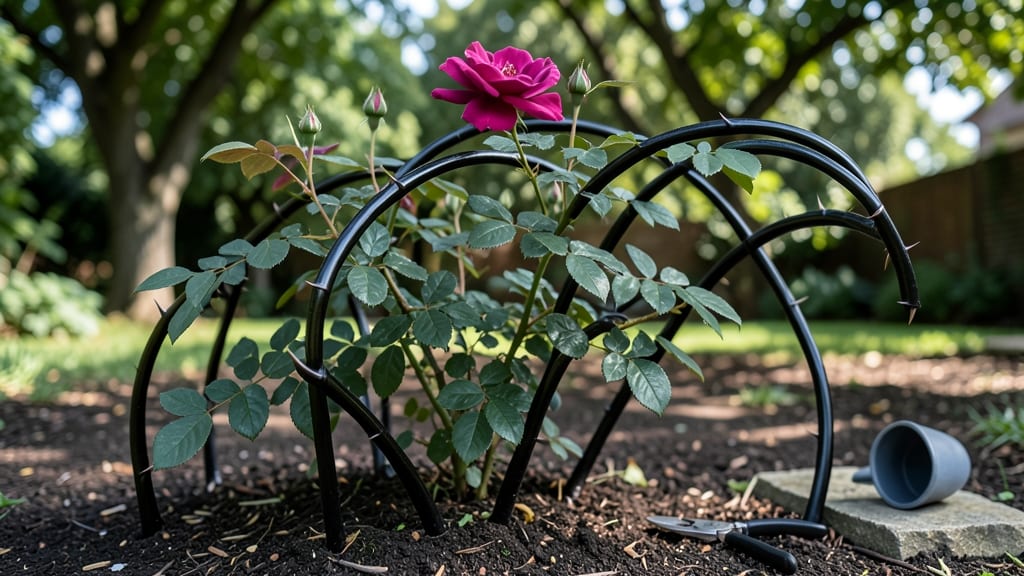
Black stems on your rose bush are the last thing you want after months of care. 🌹 The culprit is almost always fungal blight—specifically black spot or stem canker—that thrives in damp, shady conditions. I’ve battled this myself, and the baking soda spray method saved my bushes from total collapse.
This isn’t just about spraying a random mix—it’s about understanding the fungus’s weak spots. The baking soda disrupts its growth while being completely safe for your roses. You’ll need a simple spray bottle, baking soda, a few drops of dish soap, and water.
The key is consistency: apply it every 7–10 days during wet seasons, and you’ll see new green growth within weeks.
What you’ll achieve is a bush that looks healthy again, with vibrant blooms and no more blackened stems. The spray works because it creates an unfriendly environment for the fungus while keeping your roses happy. Plus, it’s organic, budget-friendly, and won’t harm pollinators.
This method works for all rose varieties, whether you’re dealing with hybrid teas, floribundas, or climbers. The only difference is how often you’ll need to spray—shadier spots or rainy climates mean more frequent treatments. Let’s get those stems back to their best!
Root Causes Of Stem Discoloration
When your rose bush develops black stems, it’s often a sign of stress or infection—but not always what you might first suspect. Understanding the underlying triggers helps you address the problem before it spreads.
Below, we break down the most common causes, from environmental factors to hidden pests, with clear explanations and actionable insights.
Blackened stems are frequently caused by fungal pathogens that thrive in damp, warm conditions. Two of the most notorious culprits are:
- Botrytis cinerea (Botrytis blight)
- This fungus attacks weakened stems, causing them to darken, shrivel, and eventually die. It often starts at the base or along leaf nodes, where moisture lingers.
- Why it happens: Overhead watering, poor air circulation, or dense foliage creates the perfect humid microclimate for spores to germinate.
- Actionable fix: Prune infected stems below the blackened area (use sterilized shears!) and space plants to improve airflow. Apply a baking soda spray (1 tsp baking soda + 1 quart water + a drop of dish soap) every 7–10 days.
- Phytophthora spp. (Root and Stem Rot)
- Waterlogged soil or heavy rainfall can introduce this soil-borne fungus, which cuts off water and nutrient flow, turning stems black and mushy.
- Why it happens: Compacted or poorly draining soil traps excess moisture, while mulch piled too high against stems creates a fungal-friendly barrier.
- Actionable fix: Improve drainage by amending soil with perlite or compost. Avoid overwatering and remove mulch from the stem base to dry it out.
Some insects don’t just feed on leaves—they girdle stems, disrupting sap flow and causing blackened, weakened areas. Watch for:
- Japanese Beetles & Rose Slugs
- These pests chew through stems, leaving behind irregular blackened patches and sticky sap. Infested stems may wilt or snap easily.
- Why it happens: Outbreaks peak in late summer when beetles lay eggs in soil, and larvae emerge to feed on roots and stems.
- Actionable fix: Handpick beetles into soapy water or use neem oil spray (2 tbsp neem oil + 1 tsp mild soap per gallon of water). For rose slugs, apply diatomaceous earth around the base.
- Borers (Rose Stem Borer, Oberea brevis)
- Larvae tunnel into stems, creating dark, tar-like frass (waste) and entry points for secondary infections.
- Why it happens: Weakened stems (from drought or poor pruning) are easier targets. Adult beetles lay eggs in cracks or pruning wounds.
- Actionable fix: Inspect stems for tiny holes or sawdust-like frass. Prune and burn infested canes, then treat cuts with pruning paint to seal wounds.
Extreme conditions can shock rose bushes, leading to physiological blackening that mimics disease. Common triggers include:
- Sunscald (Sudden Heat Exposure)
- Blackened or cracked stems may appear on newly planted roses or those moved from shade to full sun without acclimation.
- Why it happens: Intense sunlight dehydrates stems faster than roots can supply water, causing oxidative stress and cell death.
- Actionable fix: Gradually harden off roses by exposing them to 2–3 hours of morning sun daily. Use shade cloth (30–50%) for the first 2 weeks after transplanting.
- Overwatering or Underwatering
- Waterlogged soil suffocates roots, while chronic drought weakens stems, making them susceptible to rot or sun damage.
- Why it happens: Roses need 1–1.5 inches of water per week. Overwatering creates anaerobic soil (no oxygen), while underwatering stresses the plant’s vascular system.
- Actionable fix: Water deeply but infrequently, aiming for moist (not soggy) soil. Mulch with 2–3 inches of organic matter (e.g., straw) to retain moisture and regulate temperature.
Human error can also turn stems black—literally. Here’s how:
- Herbicide or Fertilizer Burn
- Drift from glyphosate-based herbicides or over-application of nitrogen-rich fertilizers can cause stems to darken and blister.
- Why it happens: Chemicals disrupt cell membranes, leading to necrosis (tissue death). Even "rose-safe" sprays can burn if applied incorrectly.
- Actionable fix: Always follow label instructions. If you suspect chemical damage, flush the soil with water and avoid further treatment until new growth appears.
- Pruning Wounds Left Unsealed
- Cuts made with dull tools or too close to the bud can introduce pathogens. Blackened edges may signal bacterial infection or dehydration.
- Why it happens: Pruning shears crush stems, creating jagged wounds that slow healing. Leaving stubs (more than ¼ inch) invites disease.
- Actionable fix: Use sharp, sterilized pruners and make cuts at a 45-degree angle, ¼ inch above a outward-facing bud. Seal cuts with pruning sealer if your climate is humid.
Pro Tip: 💡 Before treating black stems, take a sample to your local Cooperative Extension Service for lab testing. Some issues (like bacterial infections) require copper-based fungicides, while others may just need cultural fixes.
Fixing Blackened Rose Stems Fast
Blackened stems on your rose bush can feel like a death sentence for your prized plants—but don’t panic! With the right approach, you can revive your roses and prevent future outbreaks.
Below, we break down the most common causes of blackened stems and the practical, step-by-step fixes to get your roses thriving again. Plus, we’ll share prevention tips to keep your garden healthy long-term.
If blackened stems are soft, mushy, or oozing, fungal blight (like black spot or botrytis) is likely the culprit. These fungi thrive in damp, humid conditions and can spread rapidly if left untreated.
🍳 Step 1: Prune Infected Stems Immediately
- Use sterilized pruners (wipe with rubbing alcohol) to cut off blackened stems at least ½ inch below the affected area.
- Remove all fallen leaves or debris from the base of the plant—they harbor spores.
- 💡 Pro Tip: Bag and dispose of infected plant material in the trash not the compost pile to prevent reinfection.
👨🍳 Step 2: Apply a Fungicide Spray (DIY or Store-Bought)
For a natural solution, mix a baking soda spray (1 tsp baking soda + 1 quart water + a few drops of dish soap). Spray thoroughly on both sides of leaves and stems, focusing on the base where moisture collects.
For severe cases, use a copper fungicide (like copper sulfate or copper hydroxide) as directed. Reapply every 7–10 days until new growth appears.
🌡️ Step 3: Improve Airflow & Reduce Humidity
- Space plants at least 3–4 feet apart to allow airflow.
- Water at the base (not overhead) and early in the day so foliage dries quickly.
- 🎯 Prevention Tip: Avoid mulching too close to the stem—keep it 2–3 inches away to prevent moisture buildup.
If stems are black, hollow, or the plant feels spongy when pulled gently, root rot (from overwatering or poor drainage) may be the issue.
🔪 Step 1: Check the Soil & Drainage
- Dig around the base to inspect roots. Healthy roots are firm and white; rotten roots are black, mushy, and smell foul.
- If your soil is clay-heavy or compacted, amend it with compost or perlite to improve drainage.
⏰ Step 2: Adjust Watering Habits
- Water deeply but infrequently—roses prefer 1–1.5 inches per week (including rain).
- 💡 Pro Tip: Install a soaker hose or drip irrigation to deliver water directly to the roots without wetting leaves.
🌱 Step 3: Repot or Relocate (If Necessary)
- If root rot is severe, repot the rose in fresh, well-draining soil or transplant it to a raised bed with better drainage.
- ✨ Prevention Tip: Plant roses in mounds of soil (not holes) to encourage drainage and prevent waterlogging.
Blackened stems can also result from sap-sucking pests like aphids, scale, or spider mites, which weaken the plant and create entry points for disease.
🍳 Step 1: Inspect for Pests
- Look for sticky residue (honeydew), tiny bugs, or webbed leaves—signs of infestation.
- 💡 Pro Tip: Shake stems over a white sheet to spot hidden pests.
👨🍳 Step 2: Treat with Neem Oil or Insecticidal Soap
- Mix 1 tsp neem oil + 1 tsp mild soap + 1 quart water and spray every 5–7 days until pests are gone.
- For heavy infestations, use a pyrethrin-based insecticide (follow label instructions).
🌡️ Step 3: Encourage Beneficial Insects
- Plant marigolds, lavender, or nasturtiums nearby to attract ladybugs and lacewings, natural pest predators.
- ✨ Prevention Tip: Prune regularly to remove hiding spots for pests and improve airflow.
Extreme heat, cold, or sudden temperature swings can cause stems to blacken due to sunscald or frost damage.
🔥 Step 1: Protect from Harsh Conditions
- In hot climates: Provide afternoon shade (use shade cloth if needed).
- In cold climates: Mulch heavily (3–4 inches of straw or wood chips) and cover plants with frost cloth if frost is forecasted.
🌱 Step 2: Acclimate Gradually
- If moving roses to a new location, harden them off over 1–2 weeks to avoid shock.
- 💡 Pro Tip: Avoid fertilizing during extreme heat—it stresses the plant further.
🎯 Prevention Tip:
Choose disease-resistant rose varieties (like ‘Knock Out’ or ‘Dr. Huey’) for tougher stems.
With these targeted fixes, your roses should bounce back in 2–4 weeks. The key is acting fast and preventing future issues with proper care. Happy gardening! 🌹
Frequently asked questions
Why do my rose stems turn black suddenly?
Blackened stems usually appear from fungal infections like black spot or botrytis blight, which thrive in damp conditions. Pests like borers or beetles can also girdle stems, causing blackened patches. Environmental stress (overwatering, poor drainage, or sudden heat) often triggers this too.
Is it safe to prune blackened stems myself?
Yes! Use sterilized pruners to cut ½ inch below the blackened area. Remove all infected debris and dispose of it in the trash (not compost). Prune in dry, sunny weather to prevent spreading spores. Always clean your tools with rubbing alcohol between cuts.
How often should I apply baking soda spray?
Apply every 7–10 days during wet seasons or when you first notice blackening. Mix 1 tsp baking soda + 1 quart water + a drop of dish soap. Spray both sides of leaves and stems, focusing on the base. Stop when new green growth appears—usually within 2–4 weeks.
Can I save my rose bush if the black stems are mushy?
Mushy stems likely mean root rot from overwatering. Dig carefully to check roots—if they’re black and foul-smelling, repot in fresh, well-draining soil. Reduce watering to 1–1.5 inches per week and avoid mulching too close to the stem. Severe cases may need transplanting to a raised bed.
Will chemical fungicides harm my roses?
Most copper-based fungicides are safe when used correctly, but always follow label instructions. For organic options, stick with baking soda spray or neem oil. Avoid overusing chemicals—focus on improving airflow and reducing humidity to prevent future outbreaks.