
Plants
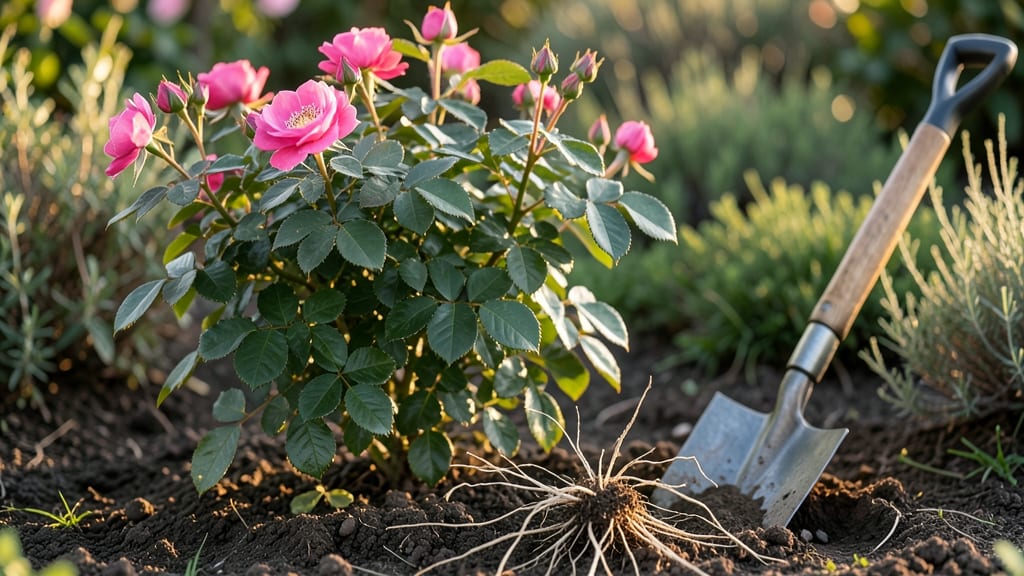
Planting roses in New Mexico at the right time means the difference between vibrant blooms and struggling shrubs fighting off the desert’s extremes.
New Mexico’s unique climate—with its high desert elevations and intense sun—can make or break your rose garden if you plant at the wrong time.
Timing your roses perfectly ensures stronger roots, vibrant blooms, and fewer pests, but knowing exactly when to plant in Albuquerque, Santa Fe, or Roswell requires local expertise.
For most of the state, the best windows are early spring—after the last frost in March or April—or fall, about 6 to 8 weeks before the first frost. But high-desert areas like Santa Fe need a different approach than lower elevations like Roswell, where soil warms faster.
Below, I’ll break down the ideal months for your USDA zone, soil prep tips for New Mexico’s alkaline dirt, and how to adjust for bare-root vs. container-grown roses so you get the most out of your 🌹 investment.
Best planting months for roses in New Mexico’s climate zones
New Mexico’s high desert climate demands precise timing for planting roses. Unlike coastal regions, our USDA zones 5-8 experience dramatic temperature swings and alkaline soils that require careful planning.
The key is planting when soil temperatures stay above 50°F (10°C) and frost risk has passed—or in fall, when roots can establish before winter dormancy. For Albuquerque’s Zone 7b, this means two perfect windows: early spring (March-April) and fall (September-October).
Santa Fe’s cooler Zone 6b shifts these windows slightly later—aim for mid-April to May in spring and late August to September in fall—to avoid late frosts that can damage tender new growth.
Meanwhile, Roswell’s Zone 7a allows for an earlier spring window (late February to March) thanks to its lower elevation and warmer microclimate. Understanding these nuances is critical for roses to thrive in our intense sunlight and dry air.
Here’s a quick reference for New Mexico’s three key regions, including soil temperature thresholds and frost dates that dictate your planting timeline:
| Region | USDA Zone | Best Planting Windows | Soil Temp Threshold | Last Frost Date |
|---|---|---|---|---|
| Albuquerque | 7b | March 15–April 30 September 15–October 15 |
50°F (10°C) | March 15 |
| Santa Fe | 6b | April 15–May 15 August 20–September 15 |
55°F (13°C) | April 15 |
| Roswell | 7a | February 28–March 31 September 1–October 10 |
48°F (9°C) | March 1 |
🌹 Note: Fall planting allows roots to establish before winter, while spring planting avoids frost damage to new shoots.
For bare-root roses, which are most commonly sold, the fall window is ideal because cooler temperatures reduce transplant shock. In Albuquerque, this means getting them in the ground by mid-October so roots can harden off before winter.
If you’re planting container-grown roses, you have more flexibility—just avoid extreme heat or cold snaps, which can stress the plants.
Elevation plays a surprising role in New Mexico’s planting schedule. Areas like Santa Fe (7,000 ft) experience 10-15°F cooler nights than Albuquerque (5,300 ft), delaying soil warming by 2-3 weeks. Use a soil thermometer to confirm temperatures before planting—50°F (10°C) is the magic number for root growth.
In high-elevation gardens, consider black plastic mulch to warm the soil faster in spring.
One common mistake I see is planting roses too early in spring when soils are still cold. This leads to stunted growth and weak roots. Instead, wait until you can push a trowel into the soil 6 inches deep without resistance—a sure sign it’s warm enough.
For fall plantings, aim to finish 6-8 weeks before your region’s first frost. In Roswell, that’s usually by October 10, while Santa Fe gardeners should wrap up by September 15.
New Mexico’s intense sunlight and low humidity also mean roses planted in spring need consistent watering to establish. I recommend soaking the root zone 1-2 gallons per plant every 3-4 days until new growth appears.
In contrast, fall-planted roses benefit from natural rainfall and cooler temps, reducing your watering workload. Always water in the early morning to prevent fungal diseases like black spot, which thrives in our dry heat.
Pro tip: If you’re planting in clay-heavy soils (common in Albuquerque), mix in compost and perlite to improve drainage. Roses hate soggy roots, and our desert soils can compact easily. For high-desert areas like Santa Fe, add a 2-inch layer of mulch to retain moisture and regulate soil temperature.
This extra layer is especially critical during spring and fall, when temperature swings are most extreme.
Finally, choose rose varieties suited to your microclimate. Knock Out roses thrive in Albuquerque’s heat, while David Austin English roses perform better in Santa Fe’s cooler nights.
Always check the USDA zone range on seed packets or nursery tags—some roses labeled for Zone 7 may struggle in Zone 6b’s colder winters. With the right timing and variety, your New Mexico rose garden can bloom beautifully year after year.
🌿
How to prepare New Mexico soil for rose planting success
New Mexico’s alkaline soils (often pH 7.5–8.5) pose unique challenges for roses, which thrive in acidic to neutral soil (pH 6.0–6.5). Without proper prep, your desert roses may struggle with nutrient deficiencies like iron chlorosis or poor root development.
The key? A two-pronged approach: lowering pH naturally and improving soil structure to retain moisture while preventing compaction.
Start by testing your soil’s pH using a home test kit or send a sample to your local Cooperative Extension Service. Most New Mexico soils need 1–2 points lower to reach the ideal range.
For example, if your soil tests at 8.0, aim for a target pH of 6.5—this takes 2–3 months with consistent amendments.
Native Soil Amendments vs. Commercial Mixes
- ✅ Pine needles (lower pH naturally)
- ✅ Composted oak leaves (improves structure)
- ✅ Cottonseed meal (slow-release nitrogen)
Cost: $0.10–$0.50/lb
Best for: Long-term soil health
- ✅ Peat moss (lowers pH quickly)
- ✅ Sulfur granules (adjusts pH in 2–3 months)
- ✅ Rose-specific potting soil (pre-mixed nutrients)
Cost: $5–$15/bag
Best for: Quick fixes
For drainage issues, New Mexico’s compacted clay soils (common in Albuquerque and Roswell) require organic matter to break up density. Mix in 3–4 inches of compost or aged manure into the top 12 inches of soil.
Add coarse sand (like builder’s sand) if your soil feels like hardpan when dry—this mimics the natural desert soil structure roses prefer.
Don’t overlook micronutrients! New Mexico’s alkaline soils leach essential minerals like iron and magnesium. Amend with Epsom salt (1 tbsp per plant) or a chelated iron supplement to prevent yellowing leaves. For container-grown roses, repot annually with fresh rose-specific potting mix to avoid nutrient depletion.
Finally, mulch heavily with wood chips or straw (2–3 inches) to retain moisture and cool roots during 100°F+ days. In high-desert areas like Santa Fe, mulch also protects roots from freeze-thaw cycles. Reapply mulch every 6 months to maintain effectiveness.
With these steps, your New Mexico roses will thrive in alkaline soils—producing vibrant blooms and stronger stems even in the high desert sun. 🌹