
Light Requirements
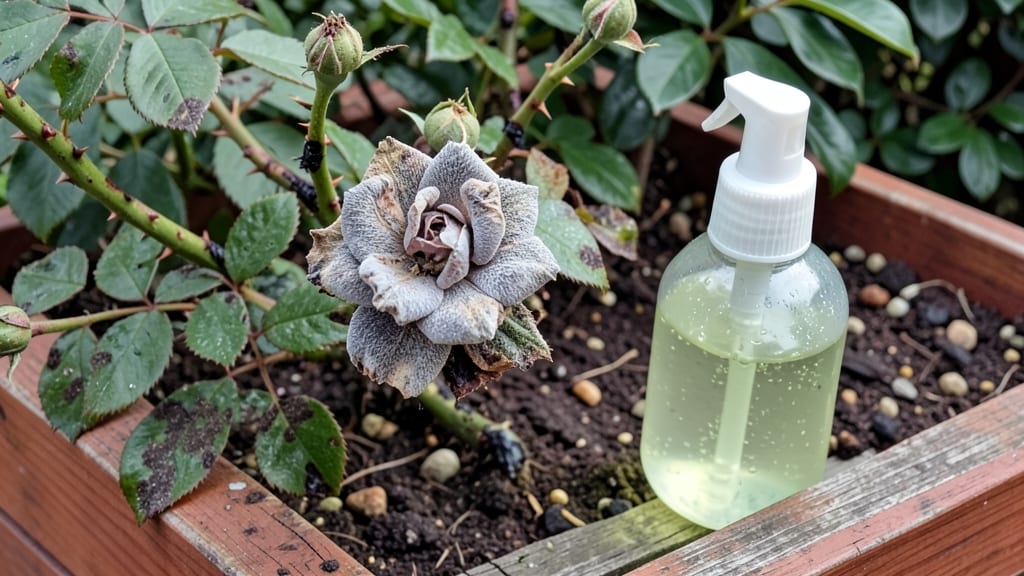
Botrytis blight turns your roses into a fuzzy gray mess overnight. 🌿 I’ve lost entire climbers to this sneaky fungus, but I’ve also saved others by catching it early—here’s how to spot it before it spreads and stop it dead in its tracks.
The culprit thrives in damp, crowded conditions, so proper spacing and airflow are your first line of defense. Prune for sunlight access, avoid overhead watering, and remove infected leaves immediately (bag them—don’t compost!).
Organic options like neem oil or baking soda sprays work well, but severe cases might need a targeted fungicide. You’ll see new growth pushing through clean, disease-free canes within weeks. The key is consistency: check for those telltale gray spots weekly during humid weather, and act fast.
Roses can bounce back stronger than ever with the right care. Works for all rose types—hybrids, climbers, even heirlooms. Let’s get those blooms thriving again!
How Fungal Conditions Take Root
Botrytis blight thrives in roses because it exploits specific environmental and plant vulnerabilities. Understanding these triggers is the first step to preventing this destructive fungal infection. Let’s break down the key factors that create the perfect storm for Botrytis blight—and how you can disrupt them before they cause damage.
Botrytis blight (Botrytis cinerea) is a water-loving fungus, and roses provide an ideal host when conditions are damp. Here’s why moisture is its greatest ally:
- Prolonged Leaf Wetness: The fungus spores germinate and infect within 6–12 hours of prolonged leaf wetness.
Heavy dew, rain, or overhead watering (especially in the evening) create a high-humidity microclimate that encourages fungal growth. - Stagnant Air: Roses with dense foliage or crowded canes trap moisture, preventing evaporation and creating a humid, fungus-friendly environment.
Poor airflow also delays drying, giving the fungus more time to colonize. - Cold, Wet Springs: Early-season roses are particularly vulnerable when cool temperatures (50–70°F) combine with high humidity. This slows plant metabolism, weakening defenses while the fungus thrives.
Actionable Fix: ✅ Water at the base (avoid overhead sprinkling). ✅ Space plants for better airflow—aim for 3–4 feet between canes. ✅ Use drip irrigation or soaker hoses to keep foliage dry.
Botrytis blight doesn’t just like moisture—it also loves moderate temperatures. Here’s how climate plays a role:
- Cool to Mild Weather (50–77°F): The fungus grows best in this range.
Hotter temperatures (>85°F) slow it down, but cool nights followed by warm days (like spring or fall) create the perfect infection window. - Late Bloomers & Fall Roses: Roses flowering in late summer or fall are at higher risk because: - New growth is tender and less resistant. - Cooler temps slow plant recovery after stress (e.g., pruning, transplanting). - Autumn rains prolong leaf wetness without the drying heat of summer. - Stressed Plants: Roses under stress (from drought, poor soil, or nutrient deficiencies) have weakened cell walls, making them easier targets for fungal invasion.
Actionable Fix: ✅ Avoid late-season pruning—it stimulates new growth when conditions are ripe for infection. ✅ Mulch properly to moderate soil temps and reduce stress. ✅ Choose disease-resistant varieties (e.g., ‘Knock Out’ roses) if you garden in humid climates.
Botrytis blight isn’t just waiting in the soil—it’s everywhere, and roses are often infected before symptoms appear. Here’s how spores spread:
- Overwintering Spores: The fungus survives winter in infected plant debris, mulch, or even old rose canes. When conditions warm up, spores reawaken and spread via wind, water, or tools. - Infected Plant Parts: Buds, flowers, and leaves already carrying the fungus act as spore factories.
A single infected bloom can release thousands of spores in 24 hours. - Tool & Pruner Contamination: Pruning shears, secateurs, or even your hands can transfer spores from diseased to healthy plants if not sanitized.
Actionable Fix: ✅ Clean up debris thoroughly in fall—remove all fallen leaves, spent blooms, and pruned canes. ✅ Sanitize tools with 70% isopropyl alcohol or a bleach solution (1 part bleach to 9 parts water) between cuts. ✅ Disinfect surfaces (pots, benches) where infected plants were placed.
A healthy rose can fight off Botrytis, but stress opens the door. Common stressors include:
- Nutrient Imbalances: Too much nitrogen (common in fast-growing roses) leads to soft, succulent growth—a fungus buffet.
Conversely, phosphorus or potassium deficiencies weaken cell walls. - Physical Damage: Wounds from hail, pests (like Japanese beetles), or rough handling create entry points for spores. - Transplant Shock: Newly planted roses or those recently moved are vulnerable as they adjust to their environment.
Actionable Fix: ✅ Balance fertilizers—use a low-nitrogen, high-phosphorus formula (e.g., 5-10-10) to strengthen roots. ✅ Protect from pests to avoid mechanical damage. ✅ Avoid over-pruning—stress from aggressive cuts invites infection.
Roses that grow too vigorously or are overfed create the perfect fungal paradise. Here’s why:
- Thick Canopy: Dense foliage traps moisture and blocks airflow, extending leaf wetness.
- Overwatered Soil: While roses need consistent moisture, waterlogged roots weaken the plant, making it susceptible to systemic infections.
- Excessive Flowering: Heavy blooms (especially in humid climates) prolong flower contact with leaves, increasing spore transfer.
Actionable Fix: ✅ Thin out crowded canes to improve airflow. ✅ Deadhead regularly to reduce humidity around blooms. ✅ Avoid mulching too deeply (keep 2–3 inches away from the stem).
Quick Fixes for Fungal Spot Woes
Botrytis blight—also called gray mold—can turn your prized roses into a sad, wilting mess if left unchecked. But don’t panic! With the right approach, you can reverse the damage, save your plants, and prevent future outbreaks.
Below, we’ve mapped out practical solutions based on the most common causes, from poor air circulation to overwatering. Follow these steps to restore your roses to their former glory—and keep them thriving.
Cause: Fungal spores spread when infected leaves, stems, or buds stay on the plant. Fix:
- 🍳 Snip it out: Use sterilized pruners (wipe with rubbing alcohol between cuts) to remove all affected areas—even if it’s just a small brown spot. Cut at least ½ inch below the damage to ensure you’re removing the entire infected zone.
- 👨🍳 Dispose properly: Don’t compost infected clippings—seal them in a plastic bag and toss them in the trash (not your yard waste bin). This stops spores from reinfecting your garden.
- 🌿 Thin out foliage: If your roses are too dense, trim back branches to improve airflow (we’ll cover this more in prevention).
Cause: Stagnant, humid air (especially in tight clusters or shaded spots) lets Botrytis thrive. Fix:
- ⏰ Prune strategically: Thin out overlapping branches and remove crowded canes to let light and air circulate. Aim for open, vase-like shapes in climbers.
- 🌡️ Space plants properly: If roses are planted too close, transplant some to give them 3–4 feet of clearance (check your variety’s mature size).
- 🎯 Adjust trellises: If your climbers are on a trellis, reposition them so they’re not trapped against walls or fences. A 5–6 inch gap behind the plant helps airflow.
Cause: Wet foliage (from overhead watering or poor drainage) creates the perfect fungal buffet. Fix:
- 💡 Water at the base only: Use a soaker hose or drip irrigation to keep leaves dry. If you must water overhead, do it early in the morning so leaves have time to dry by evening.
- 🌧️ Improve drainage: If your soil stays soggy, amend with compost or raise beds slightly. Botrytis loves waterlogged roots—drainage is key!
- 🔥 Avoid late-season watering: If Botrytis is active, stop watering roses 2–3 weeks before the first frost to let them dry out naturally.
Cause: Severe infections or recurrent outbreaks require a chemical boost. Fix:
- 🔪 Choose the right fungicide:
- Preventative: Use copper fungicide or neem oil (apply every 7–10 days during rainy seasons).
- Curative: For active infections, switch to a systemic fungicide like myclobutanil (Immunox) or potassium phosphite (e.g., Phostrol). Follow label instructions exactly.
- 🌡️ Time it right: Apply fungicides at dusk (to avoid burning leaves) and after watering (so it sticks better).
- 🎯 Rotate treatments: If Botrytis keeps coming back, alternate between fungicides to prevent resistance.
Once you’ve treated the current outbreak, lock in those gains with these long-term strategies:
| Problem | Prevention Fix | How Often |
|---|---|---|
| High humidity | Install a fan near roses (gentle breeze helps). | Run during peak humidity. |
| Overwatered soil | Test soil moisture—water only when top 1–2 inches are dry. | Check weekly. |
| Deadheading too late | Remove spent blooms daily (especially in fall). | Daily during bloom season. |
| Fall debris buildup | Rake up fallen leaves and petals—they harbor spores. | Weekly in autumn. |
| Weakened plants | Fertilize with low-nitrogen, high-phosphorus (e.g., 5-10-10) to boost immunity. | Every 4–6 weeks in growing season. |
Botrytis loves stressed plants.
Keep your roses healthy and resilient with: - 💪 Mulch properly: Use 2–3 inches of organic mulch (straw or shredded bark) to insulate roots and reduce soil splashing. - 🍎 Feed the soil: Add compost or worm castings in early spring to boost microbial activity, which outcompetes fungi. - 🌡️ Monitor weather: If your area has high humidity or rain forecasts, proactively spray neem oil as a preventative.
By tackling infected parts, airflow, watering, and fungicides (when necessary), you’ll stop Botrytis in its tracks and protect your roses for years to come. Follow these steps consistently, and your climbers will bounce back stronger—ready to bloom beautifully season after season!
Frequently asked questions
What do gray mold spots on roses really look like?
Botrytis blight starts as small, water-soaked brown or gray spots on leaves, buds, or stems. As it spreads, the spots develop a fuzzy gray mold (like dusty fur) and may appear sunken or leathery. Check the undersides of leaves first—spores love damp, hidden areas.
Can I still save my roses if they're already covered in gray mold?
Yes, but act fast! Prune off all infected parts (including stems) with sterilized shears, then apply a copper fungicide or baking soda spray (1 tsp baking soda + 1 quart water + a drop of dish soap). For severe cases, use a systemic fungicide like myclobutanil. Stop watering overhead immediately.
Why does Botrytis keep coming back even after treatment?
Recurring outbreaks usually mean spores are hiding in old plant debris, mulch, or tools. Clean up all fallen leaves and prunings (don't compost them!), sanitize tools with rubbing alcohol, and improve airflow by spacing plants 3-4 feet apart. Rotate fungicides to prevent resistance.
Are some rose varieties more resistant to Botrytis?
Yes! Knock Out roses and Dr. Huey varieties are bred for disease resistance. For climbers, try ‘New Dawn’ or ‘Blaze’. Even susceptible varieties can thrive with proper care—focus on airflow, sunlight, and avoiding overhead watering. Always check labels for disease ratings.
Is it safe to use vinegar or hydrogen peroxide on Botrytis?
Not as a primary treatment—both can harm plants at full strength. However, you can use 1 tablespoon white vinegar per gallon of water (mixed with a drop of dish soap) as a preventative spray (test on a small area first). For existing infections, stick to copper fungicide or neem oil for better results.