
Pests and Diseases
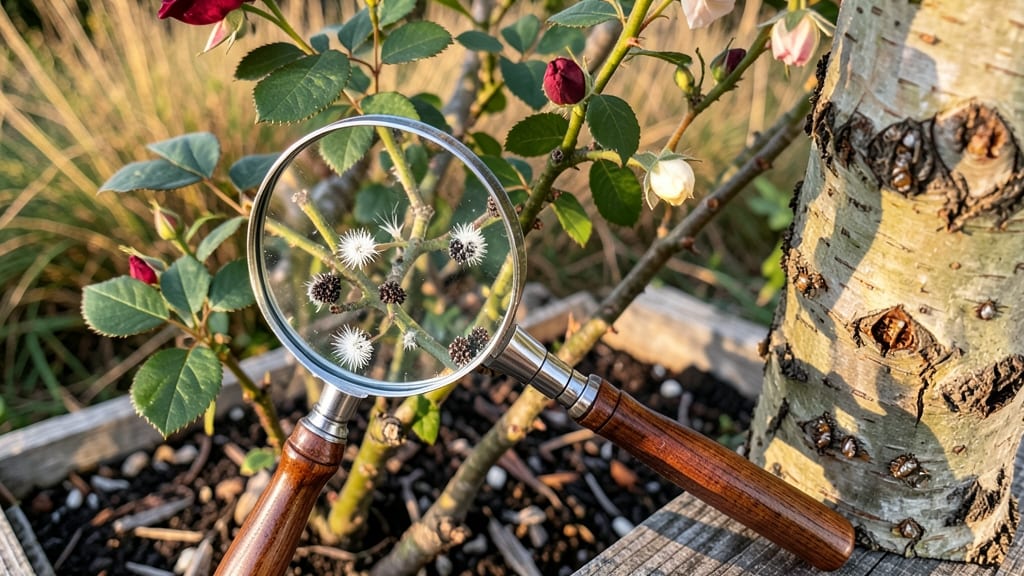
That chalky white dust on your rose stems isn’t just unsightly—it’s scale white fungus, and it’s stealing your roses’ strength. 🌿 I’ve battled this stubborn issue for years, and I’ll show you how to banish it without harsh chemicals, so your roses stay healthy and blooming all season long.
The problem starts when roses get too crowded, stay too damp, or don’t get enough airflow—perfect conditions for this fungal party. Most gardeners reach for chemical sprays first, but those can harm bees and leave residue. Instead, we’ll focus on organic fixes that work fast and keep your garden thriving.
With just a few simple steps—like pruning for airflow, applying homemade sprays, and adjusting watering habits—you’ll see fresh green stems and vibrant blooms within weeks. The key is acting early before the fungus spreads, turning your roses back into the showstoppers they should be.
This method works for hybrid teas, climbers, and even those stubborn shrub roses. Let’s get your garden back to its best, without the guesswork or the chemicals.
Root Causes of Stem Fungus
Scale white fungus on rose stems—often appearing as fuzzy, cottony patches or hard, crusty scales—isn’t just an unsightly nuisance. It’s a fungal infection with specific triggers that thrive under the right conditions. Understanding why it happens is the first step to preventing it naturally.
Below, we break down the key culprits, backed by science, so you can address the root of the problem before it spreads.
The fungus responsible for scale white growth—likely Oidium (powdery mildew) or Sphaerotheca—loves warmth and humidity. Here’s why:
- Temperature sweet spot: Fungal spores germinate best between 60–80°F (15–27°C). If your roses are in a sheltered spot where heat lingers (like against a brick wall or under dense foliage), you’re creating a fungal buffet. 🌡️
- Moisture matters: The fungus needs 6–12 hours of leaf wetness per day to infect stems and leaves. Overhead watering, morning dew, or poor air circulation (thanks to thick canopies) keeps surfaces damp—perfect for spore germination.
- Nighttime dew: Roses left wet overnight (from dew or sprinklers) are 3x more likely to develop fungal issues. The fungus feeds on sugars in plant tissues, and dampness helps it penetrate protective layers.
Actionable fix: Space roses for airflow, water at the base in the morning, and avoid planting in low-lying areas where cold air (and moisture) pools.
Healthy roses resist fungal attacks, but stress opens the door. Common stressors include:
| Stressor | How It Helps Fungus | Solution |
|---|---|---|
| Poor drainage | Waterlogged roots starve the plant, weakening stems and making them susceptible to invasion. | Amend soil with compost or perlite; ensure pots have drainage holes. |
| Nutrient deficiencies | Low phosphorus or potassium reduces the plant’s ability to produce protective waxes on stems. | Use a balanced fertilizer (10-10-10) or compost tea in early spring. |
| Physical damage | Pruning cuts or insect bites create entry points for spores to colonize. | Sterilize pruners with rubbing alcohol; avoid heavy pruning during humid seasons. |
Pro tip: 💡 Stressed roses are like open invitations to fungi. Regularly check for yellowing leaves or stunted growth—early signs the plant is struggling.
Not all roses are equally vulnerable. Some varieties are bred for disease resistance, while others are fungal magnets. Here’s the breakdown:
- Genetics play a role: Hybrid teas and grandifloras (like ‘Double Delight’) are highly susceptible to powdery mildew due to their dense, overlapping canes. Climbing roses (e.g., ‘New Dawn’) are often more resistant.
- Crowding fuels spread: When roses grow too close, airflow is restricted, and spores hitchhike on wind or garden tools to nearby plants. A single infected stem can contaminate an entire bush in weeks.
- Old wood is riskier: Mature roses with thick, woody stems retain moisture longer, giving fungi a longer window to establish.
Actionable fix: Choose mildew-resistant varieties like ‘Knock Out’ roses or ‘Dr. Huey’ for low-maintenance options. Thin out canes to improve airflow, and remove any infected stems immediately (don’t compost them—bag and trash).
Some insects don’t just damage roses—they spread fungal spores like a delivery service. The worst offenders:
- Aphids and mites: These sap-suckers weaken stems and leave behind sticky honeydew, a fertilizer for fungal growth. Their droppings create a sugary film that spores adhere to.
- Japanese beetles: While they chew leaves, their larvae damage roots, reducing the plant’s ability to fight infections.
- Scale insects: Ironically, their name is similar to the fungal symptom, but these pests create wounds that fungi exploit.
Pro tip: 🔥 Monitor for pests early. Use a strong spray of water to dislodge aphids or introduce beneficial insects like ladybugs before fungi take hold.
Watering habits can either prevent or promote fungal growth. Common mistakes:
- Overhead watering: Wet leaves = fungal feast. Water droplets linger, creating micro-environments where spores germinate.
- Inconsistent watering: Drought-stressed roses suddenly soaked (e.g., after a heavy rain) shock the plant, making it vulnerable.
- Late-day watering: Watering after sunset leaves foliage wet overnight, doubling infection risk.
Actionable fix: Use drip irrigation or soaker hoses to deliver water at the base. Water early in the day so leaves dry by evening. Mulch around stems to regulate soil moisture.
Natural Fixes for Rose Stem Fungus
Once you’ve identified the culprit behind the scale-like white fungus on your rose stems, it’s time to act—without relying on harsh chemicals. The good news? Many effective, eco-friendly solutions are right in your garden shed or kitchen!
Below, we’ll break down the root causes and pair them with targeted fixes, plus prevention tips to keep your roses thriving.
Cause: Poor circulation or excessive moisture traps spores, letting fungus spread like wildfire. Fix:
- 🔪 Trim aggressively: Remove all infected stems (cut 2–3 inches below the white patches) and dispose of them in the trash (not compost!). Use sterilized pruners (wipe with rubbing alcohol between cuts) to avoid cross-contamination.
- 🌬️ Space out stems: Thin out crowded canes so air circulates freely. Aim for 6–12 inches between stems for hybrid teas and floribundas.
- 🌞 Sunlight boost: Ensure roses get at least 6 hours of direct sunlight daily. Shady spots stay damp longer, inviting fungus.
💡 Pro Tip: If pruning feels brutal, do it gradually over 2–3 weeks to avoid shocking the plant. Focus on the worst offenders first.
Cause: Scale insects (like armored or soft scale) secrete a waxy shield that looks like fungus but is actually their protective home—and their waste feeds fungal growth. Fix:
- 🧼 Scrub off the scale: Dip a soft toothbrush or cotton swab in 70% isopropyl alcohol and gently scrub the white patches. The alcohol kills scale on contact (and dries out fungal spores).
- 🍋 Homemade spray: Mix 1 tbsp neem oil + 1 tsp dish soap + 1 quart water in a spray bottle. Shake well and apply early morning or late evening (avoid direct sun). Reapply every 5–7 days for 2–3 weeks.
- 🐞 Introduce predators: Ladybugs and lacewings love scale insects. Buy them online or attract them with dill, fennel, or yarrow planted nearby.
⚠️ Warning: Avoid bleach or vinegar sprays—they can burn rose foliage and disrupt soil microbes.
Cause: Fungal spores thrive in wet conditions, especially if water sits on stems for hours. Fix:
- 💦 Water at the base: Use a soaker hose or drip irrigation to deliver water directly to the soil, not the stems. Water in the early morning so foliage dries by afternoon.
- 🌱 Mulch properly: Apply 2–3 inches of organic mulch (straw, shredded leaves, or pine needles) around the base (but not touching stems). This keeps soil moist without creating a fungal playground.
- 🌡️ Avoid evening watering: Wet leaves overnight = fungal buffet. If you must water in the evening, aim for the roots only.
🎯 Prevention Hack: After rain, gently shake roses to dislodge excess water from stems and leaves.
Cause: Fungal spores linger in soil, tools, or potting mix, reinfecting roses if not cleaned. Fix:
- 🧼 Sterilize tools: Soak pruners, shears, and trowels in 1 part bleach to 9 parts water for 10 minutes, then rinse and dry. Do this before and after pruning.
- 🌱 Refresh soil: If your rose bed has chronic fungal issues, mix in compost or aged manure to improve drainage and microbial balance. Avoid fresh manure—it’s too rich and can worsen rot.
- 🚫 Rotate plants: If possible, move roses to a new spot next season to break the fungal cycle in the soil.
✨ Bonus: Sprinkle crushed eggshells or diatomaceous earth around the base—these act as natural fungicides while adding calcium.
Once your roses are fungus-free, keep them strong and resistant with these habits: - 💪 Fertilize right: Use a balanced, organic fertilizer (like fish emulsion or compost tea) in early spring and mid-summer.
Avoid high-nitrogen feeds—they promote soft, fungal-loving growth. - 🌿 Companion planting: Surround roses with garlic, chives, or thyme—their antifungal properties deter spores. - 🔄 Regular checks: Inspect stems weekly during humid months. Catch white patches early before they spread!
Final Thought: Patience is key—some roses may take 4–6 weeks to fully recover, but with consistent care, your blooms will bounce back stronger than ever. 🌹✨
Frequently asked questions
Is white fungus on rose stems always harmful?
Not all white growth is harmful—some may be harmless lichens or harmless mold. But if it’s powdery mildew or scale insects, it can weaken stems and reduce blooms. Scrape a small patch: if it leaves a white residue or black spots, it’s likely fungal. When in doubt, treat it as a potential threat to prevent spread.
Can I use baking soda to treat white fungus on roses?
Yes! Mix 1 tablespoon baking soda + 1 teaspoon dish soap + 1 gallon water in a spray bottle. Shake well and apply to stems and leaves in the early morning. The baking soda raises the pH, making it harder for fungi to thrive. Reapply every 7–10 days until the fungus clears.
How do I know if my roses are too crowded for airflow?
If you can’t fit your hand between stems or see yellowing leaves and white fungus on inner canes, your roses are too crowded. Aim for 6–12 inches between stems for hybrid roses and 12–18 inches for climbers. Prune back overgrown canes in early spring before new growth starts.
Will neem oil kill white fungus on rose stems?
Neem oil is highly effective against fungal spores! Mix 1 tablespoon neem oil + 1 teaspoon dish soap + 1 quart water and spray both sides of leaves and stems. Apply in the evening to avoid sunburn. Reapply every 5–7 days until the fungus disappears. It also deters pests that spread spores.
Can I save a rose bush if most stems are covered in white fungus?
Yes, but act fast! Prune all infected stems down to healthy wood, sterilize your tools, and apply a fungicide spray (like neem oil or baking soda mix). For severe cases, consider replanting next season in a different location. With proper care, new growth should emerge within 4–6 weeks.