
Aphids
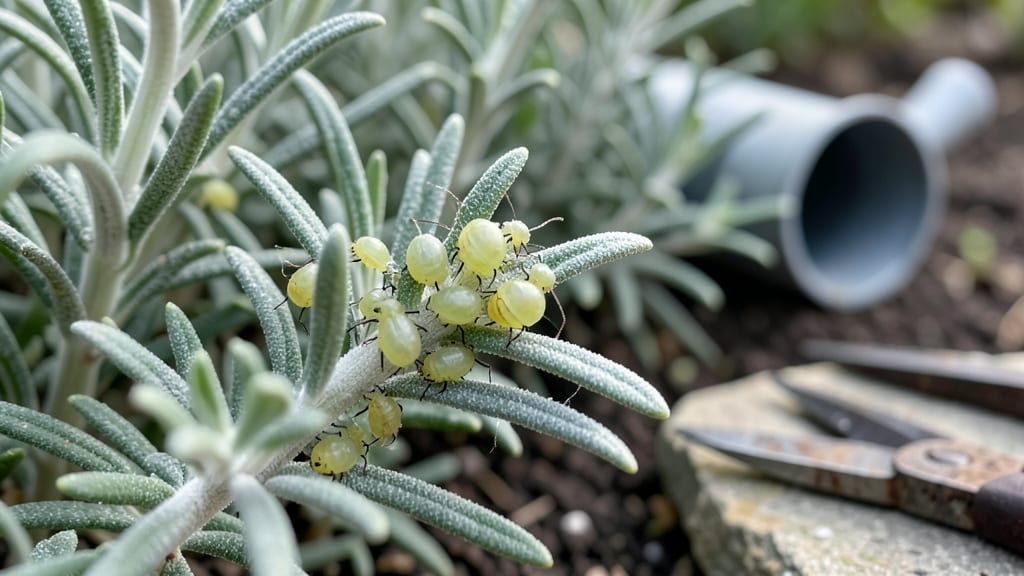
Aphids on rosemary can turn your fragrant kitchen herb into a sticky, wilted mess—unless you act fast. 🌿 I’ve battled these tiny pests on my rosemary bushes, and the right organic spray stops them in their tracks within minutes, no harsh chemicals needed.
The secret isn’t complicated: aphids hate the scent of certain natural oils, and a quick spray knocks them off before they multiply. You’ll need just three ingredients—soapy water, neem oil, and a spray bottle—and the process takes less than 5 minutes. No rinsing, no waiting, just immediate results.
After one treatment, your rosemary will bounce back with fresh, fragrant needles. The spray works on other herbs too, so you can protect your entire garden without harming pollinators or your plants. Here’s the exact recipe and step-by-step method that’s saved my rosemary—and yours will be next.
Root Causes Of Rosemary Aphids
Rosemary aphids aren’t just random pests—they’re drawn to your plant for specific reasons tied to its health, environment, and even your gardening habits. Understanding these triggers helps you prevent future infestations and treat them faster. Here’s why these tiny sap-suckers invade your rosemary:
Aphids are like opportunistic thieves—they target stressed or weakened plants because they’re easier to exploit. When rosemary is struggling, it emits chemical signals (called volatile organic compounds) that aphids detect from up to a mile away. Here’s what weakens your rosemary:
- Nutrient Deficiencies: Aphids love rosemary that’s starving for nitrogen, phosphorus, or potassium. These nutrients help rosemary produce tougher leaves and natural pest-repelling compounds. A quick soil test can reveal if your plant is malnourished.
- Overcrowding: When rosemary bushes grow too close, air circulation stalls, creating humid microclimates that aphids adore. Poor airflow also slows down the plant’s ability to recover from damage.
- Water Stress: Both overwatering (which causes root rot) and underwatering (which weakens the plant) make rosemary a prime aphid buffet. Aphids thrive in plants that can’t fight back.
Pro Tip: 💡 Healthy rosemary = aphid-resistant rosemary. Prune regularly to improve airflow, water deeply but infrequently, and fertilize with a balanced organic mix (like fish emulsion) to boost resilience.
Aphids are sap-sucking machines, and rosemary’s sweet, nutrient-rich sap is like a five-star restaurant to them. But why does rosemary produce so much sap? Two key reasons:
- High Sugar Content: Rosemary naturally stores sugars in its leaves, especially when grown in full sun. While this makes the plant drought-resistant, it also makes it irresistible to aphids.
- New Growth: Aphids prefer tender, new shoots because they’re packed with easily accessible sugars and proteins. That’s why you’ll often see them clustering at the tips of rosemary stems.
Actionable Fix: 🌡️ If you notice aphids on new growth, prune those shoots immediately—aphids will abandon them if there’s no fresh sap. For established infestations, reduce overhead watering slightly to lower sugar levels in the leaves.
Aphids don’t just appear on rosemary—they’re usually deliberately transported by wind, water, or even you! Here’s how they invade your garden:
| Source | How It Happens | Prevention Tip |
|---|---|---|
| 🌬️ Wind | Adult aphids or their eggs hitch rides on air currents, especially in late spring when rosemary is actively growing. | 🌿 Plant rosemary near windbreaks (like lavender or thyme) to disrupt their flight paths. |
| 💧 Water | Aphids cling to rainwater droplets or splashing irrigation, landing on your rosemary like tiny, sticky rafts. | ⏰ Water at the base (not overhead) to avoid creating a "aphid taxi service." |
| 🛒 Contaminated Plants | New rosemary plants or nearby herbs (like basil or sage) may already host aphid eggs or nymphs. | 🔍 Quarantine new plants for 2 weeks and inspect them before adding to your garden. |
| 👩🌾 Gardening Tools | Pruners, gloves, or even your hands can unwittingly spread aphids from plant to plant. | 🔪 Sanitize tools with rubbing alcohol between uses. |
Key Insight: ✨ Aphids are not random—they’re strategic invaders. By cutting off their transportation routes, you make your rosemary a less appealing target.
Aphids are seasonal pests, and rosemary’s growth patterns make it especially vulnerable at certain times:
- Spring Awakening: As rosemary breaks dormancy in early spring, it produces fresh shoots that aphids can’t resist. The warmer temps also speed up their reproduction cycle.
- Summer Stagnation: If summer brings high humidity (without rain), aphids thrive because their natural predators (like ladybugs) become less active.
- Fall Feast: Late summer/early fall is when rosemary stores extra sugars for winter, making its sap even sweeter—and more attractive to aphids.
Seasonal Defense: 🎯 Monitor rosemary closely in spring and fall (the "aphid peak seasons") and apply preventive sprays (like neem oil) before infestations take hold.
Quick Fixes for Rosemary Pests
Discovering aphids munching on your rosemary can feel like a tiny invasion, but don’t panic—these soft-bodied pests are easier to evict than you think! With a few targeted, organic methods, you can restore your rosemary’s health in minutes (or hours) without harsh chemicals.
Below, we’ve mapped out the best solutions based on the root cause, from gentle hand removal to DIY sprays that work fast. Plus, we’ll share prevention tips to keep your rosemary aphid-free for good.
When colonies are large and spreading, act fast to prevent further damage.
🍳 Blast Them Off with Water
A strong stream of water is your first line of defense—aphids hate being displaced!
- How to do it: Hold your hose nozzle (or a spray bottle) close to the plant and direct a firm jet of water at the undersides of leaves (where aphids love to hide). Repeat every 2–3 days until they’re gone.
- Why it works: Water disrupts their grip and washes away eggs. Add a drop of dish soap to the water for extra stickiness.
- Best for: Small to medium infestations (under 100 aphids).
👨🍳 DIY Organic Spray in Minutes
Mix up a potent, aphid-repelling spray using kitchen staples. This recipe kills on contact and deters future pests.
| Ingredient | How Much | Why It Works |
|---|---|---|
| Neem oil | 1 tbsp | Disrupts aphid feeding and reproduction; also acts as a fungicide. |
| Dish soap (mild, like Dawn) | 1 tsp | Breaks down their waxy coating, causing dehydration. |
| Water | 1 quart | Dilutes the mixture for safe application. |
| Optional: Garlic or chili powder | 1 tsp | Adds a natural pest-repelling scent. |
How to use: Shake well and spray directly on aphids and surrounding leaves. Reapply every 3–4 days until aphids disappear. ⚠️ Test on a small leaf first—some rosemary varieties are sensitive to soap.
Let nature do the work! Introducing beneficial insects will create a long-term balance in your garden.
- Ladybugs: Release 5–10 adult ladybugs per plant. They’ll devour aphids within hours. Buy them online or attract them with companion plants like dill or fennel.
- Lacewings: Their larvae are aphid-eating machines. Place lacewing egg cards near your rosemary (available at garden centers).
- Parasitic wasps: Tiny but mighty, these lay eggs in aphids. They’re less hands-on but highly effective for severe cases.
Pro tip: Avoid pesticides—even organic ones—if you’re using predators. Chemicals can harm them too! 💡
An ounce of prevention is worth a pound of cure. Keep your rosemary thriving and aphid-free with these simple steps:
- 🌱 Keep plants healthy: Aphids target stressed plants. Ensure your rosemary gets:
- 6+ hours of sunlight daily.
- Well-draining soil (they hate soggy roots!).
- Regular pruning to improve airflow.
- 🌿 Companion planting: Aphids dislike strong scents. Plant rosemary near:
- Garlic
- Mint
- Marigolds
- 🕷️ Encourage predators: Plant flowers like alyssum or yarrow to attract ladybugs and lacewings year-round.
- 🌡️ Monitor regularly: Check the undersides of leaves weekly. Early detection = easier removal!
With these methods, your rosemary will bounce back faster than you’d expect. And the best part? No chemicals, no fuss—just healthy, aphid-free herbs in minutes! 🌿✨
Frequently asked questions
Can I use soap and water alone to get rid of aphids on rosemary?
Yes! A simple 1 teaspoon mild dish soap mixed with 1 quart water works well for small infestations. Spray directly on aphids and undersides of leaves, focusing on clusters. Reapply every 2-3 days until they disappear. The soap breaks their protective coating, causing dehydration.
How often should I spray neem oil on my rosemary to prevent aphids?
For prevention, spray diluted neem oil (1 tablespoon per quart water) every 2-4 weeks during peak aphid seasons (spring/fall). For active infestations, apply every 3-4 days until aphids are gone. Always test on a small leaf first—some rosemary varieties are sensitive.
Will ladybugs actually eat all the aphids on my rosemary?
Yes! A single ladybug can eat 50-100 aphids in one day. Release 5-10 adult ladybugs per plant, and they'll start devouring aphids within hours. For best results, release them in the morning when aphids are most active. Avoid pesticides—even organic ones—since they'll harm your ladybug allies.
Why do aphids keep coming back even after I treat them?
Persistent aphids often mean their eggs survived or new ones arrived via wind/water. Check undersides of leaves and new growth weekly. Strengthen your rosemary by improving airflow (prune regularly) and using companion plants like garlic or marigolds. Aphids prefer stressed plants, so healthy rosemary is your best defense.