
Planting
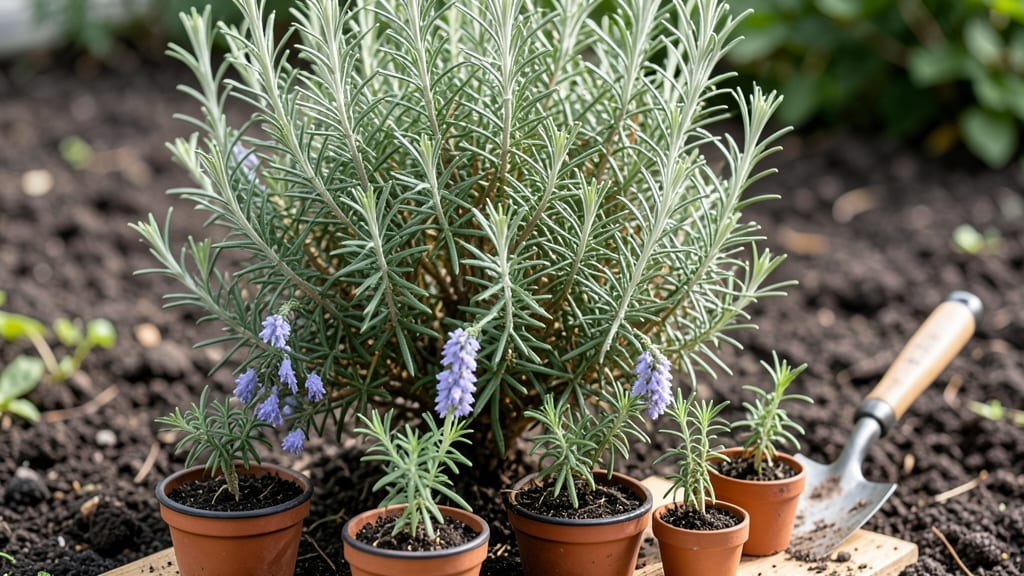
Planting rosemary right means fragrant, bushy plants that last for years—no more sad, leggy stems. 🌿 I’ve learned the hard way that rosemary hates soggy soil and overcrowding, so I’ll show you exactly how to set it up for success, whether in the ground or a pot.
You’ll need well-draining soil (mix in sand or gravel if yours is heavy), a sunny spot with at least 6 hours of direct light daily, and containers with drainage holes if growing in pots.
Rosemary thrives in poor soil, so don’t over-fertilize—it’s all about the right conditions, not extra nutrients. Dig a hole twice as wide as the root ball and space plants 3–4 feet apart in the ground or 2–3 feet apart in containers.
Water deeply after planting, then let the soil dry out between waterings—rosemary hates wet feet and will protest with yellowing leaves. Once established, your rosemary will reward you with year-round greenery, pine-scented foliage, and stems sturdy enough for cooking.
Prune lightly in spring to encourage bushiness, and watch it flourish—no more struggling plants!
📚 In This Guide
- What you need
- Instructions
- Tips and common mistakes
- Wrapping up and next steps
What you need
- ● Rosemary plants or cuttings: 1–3 healthy nursery-grown rosemary plants (upright or trailing varieties)
- ● OR 3–5 fresh cuttings (4–6 inches long, with leaves)
- ● Potting soil or garden soil: 5–10 gallons of well-draining potting mix (for containers) or amended garden soil (for in-ground planting)
- ○ Optional: Perlite or coarse sand (1 part per 4 parts soil) for extra drainage
- ● Containers (if growing in pots): 1–3 containers (minimum 12–18 inches wide and deep, with drainage holes)
- ● Terracotta, fabric, or ceramic pots work best
- ● Basic tools: Trowel or small shovel
- ● Pruning shears (for trimming cuttings or shaping plants)
- ○ Gloves (optional but recommended)
- ● Slow-release fertilizer (balanced 10-10-10 or organic options like fish emulsion)
- ● Mulch (gravel or organic mulch to retain moisture and deter weeds)
- ● Pebbles or decorative stones (for containers, to improve drainage and aesthetics)
- ● Plant markers (to label your rosemary variety)
- ● Rooting hormone (for cuttings, speeds up growth)
Step-by-step guide to planting rosemary for long-term success
Here's my foolproof method for establishing rosemary that thrives year after year in gardens or containers.
🌱 Step 1: Choose the Perfect Location and Soil Conditions
Rosemary demands full sun—at least 6-8 hours daily—and well-draining soil. In the ground, select a spot with afternoon sun exposure where water pools don't linger. The plant's native Mediterranean roots hate soggy feet, so amend heavy soil with 1-2 inches of coarse sand or perlite to improve drainage.
For containers, use pots with drainage holes and fill with a mix of 50% potting soil, 30% perlite, and 20% coarse sand. The rough texture mimics rocky Mediterranean terrain and prevents root rot. I always test drainage by watering the pot until water runs freely from the holes—if it takes less than 10 minutes to drain, your mix is perfect.
🪴 Step 2: Plant at the Right Time and Depth
Spring or early fall planting gives rosemary time to establish before summer heat or winter cold. Dig a hole twice as wide as the root ball but only as deep as the container it came in. Planting too deep suffocates the roots and causes stem rot, while shallow planting leaves the crown exposed to temperature swings.
Gently remove the plant from its container and loosen any circling roots with your fingers. Place it in the hole so the top of the root ball sits ½ inch below soil level. The crown (where stems meet roots) should never be buried. Backfill with native soil, pressing lightly to eliminate air pockets but not compacting heavily.
☀️ Step 3: Water Deeply and Establish a Care Routine
After planting, water deeply until moisture reaches 6-8 inches down. You'll know it's enough when water runs from the drainage holes. For the first 2-3 weeks, keep soil consistently moist but never soggy—rosemary's drought tolerance kicks in only after roots establish.
Once established, water only when the top 2 inches of soil feel dry. Overwatering is the #1 killer of young rosemary, so I check soil moisture with my finger before watering. In containers, this means watering every 5-7 days in summer, less in winter. Mulch with 1 inch of gravel or pebbles to retain soil moisture while preventing fungal issues.
✂️ Step 4: Prune for Bushiness and Prevent Legginess
Prune rosemary immediately after planting to encourage branching. Cut back ⅓ of the longest stems just above a leaf node where new growth will emerge. This prevents the plant from growing tall and spindly. Use clean, sharp pruners to make cuts at a 45-degree angle to increase surface area for water absorption.
Throughout the growing season, trim back any leggy growth to maintain a compact shape. Harvest stems regularly—cutting just above a leaf node encourages bushier growth. Never remove more than ⅓ of the plant's foliage at once, or you'll stress the roots. I always prune after flowering to redirect energy into leaf production rather than seed development.
🌿 Step 5: Protect from Winter Chill and Summer Stress
In colder climates, mulch heavily with 3-4 inches of straw or leaves before the first frost to insulate roots. Rosemary tolerates light freezes (15-20°F) but may die back if temperatures drop below 10°F. In containers, move pots to a sheltered spot or wrap them in burlap for extra protection.
During summer heatwaves, watch for signs of stress like wilting or leaf drop. Increase watering slightly but avoid soggy soil. In containers, I place a tray of water beneath the pot to provide humidity through evaporation. Rosemary's silver-blue foliage is stunning, but it's a clear signal when the plant needs attention—don't ignore early signs of distress.
Tips & tricks for perfect rosemary planting
These game-changing insights will help you grow lush, thriving rosemary that lasts for years—no green thumb required.
Sunlight Strategy: While the instructions call for 6-8 hours of full sun daily, I've found that morning sun with afternoon shade works better in extremely hot climates (above 90°F). The key is maintaining that 6-8 hour minimum—just rotate your containers if needed. For indoor growing, place near a south-facing window where light exposure matches outdoor conditions.
Soil Science: That 50-30-20 mix of potting soil, perlite, and sand is non-negotiable, but here's the pro move: sterilize your potting soil first by baking it in the oven at 200°F for 30 minutes. This eliminates pathogens that could harm your rosemary's delicate roots. For containers, I add 1 tablespoon of Epsom salt to the mix—it provides magnesium that boosts chlorophyll production for richer green foliage.
Planting Depth Secret: The ½ inch below soil level guideline is perfect, but here's what nobody tells you: if you're planting multiple rosemary bushes in a garden bed, space them 3-4 feet apart. This prevents root competition and gives each plant room to develop its full aromatic potential. In containers, choose pots that are at least 12 inches wide—rosemary's root system spreads wider than you'd expect.
Watering Wisdom: That 6-8 inch deep watering after planting is crucial, but I've learned to check for "soggy soil syndrome" by pressing my finger 2 inches down—if it feels damp, wait another day. For containers, I use a moisture meter to verify the 2 inch dryness guideline. Pro tip: water in the morning so leaves dry quickly, preventing fungal issues that can develop from overnight moisture.
Pro Tips for Best Way To Plant Rosemary
- These game-changing insights will help you grow lush, thriving rosemary that lasts for years—no green thumb required.
- Sunlight Strategy: While the instructions call for 6-8 hours of full sun daily, I've found that morning sun with afternoon shade works better in extremely hot climates (above 90°F).
- Soil Science: That 50-30-20 mix of potting soil, perlite, and sand is non-negotiable, but here's the pro move: sterilize your potting soil first by baking it in the oven at 200°F for 30 minutes.
Frequently asked questions
Got questions about planting rosemary? You’re not alone!
Here are answers to the most common queries to help you grow a thriving herb garden with confidence.
When is the best time to plant rosemary?
The ideal time to plant rosemary is in early spring or late fall when temperatures are mild (50–75°F). This gives roots time to establish before extreme heat or cold. If you’re in a warm climate, you can plant year-round, but avoid frost or scorching summer heat.
Can rosemary survive winter?
Rosemary is hardy in USDA zones 7–10 and can survive mild winters, but it’s not frost-tolerant. In colder climates, plant it in containers and move it indoors or protect it with mulch and frost cloth. Prune back dead growth in spring to encourage new growth.
Is rosemary better in pots or in the ground?
Both work! Rosemary thrives in well-draining soil, so containers are ideal for areas with heavy clay or poor drainage. If planting in the ground, choose a sunny, dry spot (it hates soggy soil). Containers let you move it for optimal sunlight and winter protection.
Why is my rosemary turning brown or crispy?
Brown, crispy leaves usually mean overwatering or underwatering. Rosemary loves dry conditions—water only when the soil is completely dry. If leaves are yellowing, it may need more sunlight. Prune dead growth and adjust care based on your climate.
Can I grow rosemary from a store-bought bunch?
Yes! Trim the stems, remove lower leaves, and place them in water or moist soil. Keep it in bright, indirect light until roots form (2–4 weeks). Once rooted, transplant to a pot with well-draining soil. Pro tip: Use a rooting hormone to boost success!
Wrapping up and next steps
Planting rosemary is simpler than you think—whether in sunny gardens or cozy containers! 🌱 With the right soil, sunlight, and spacing, you’ll enjoy a thriving herb that’s perfect for cooking, aromatherapy, or even gifting. Start small, stay consistent with watering, and soon you’ll have a fragrant, evergreen staple that rewards your green thumb.
Ready to grow? Pick your spot, grab your rosemary cuttings, and get planting today! Your kitchen (and taste buds) will thank you.