
Companion Plants
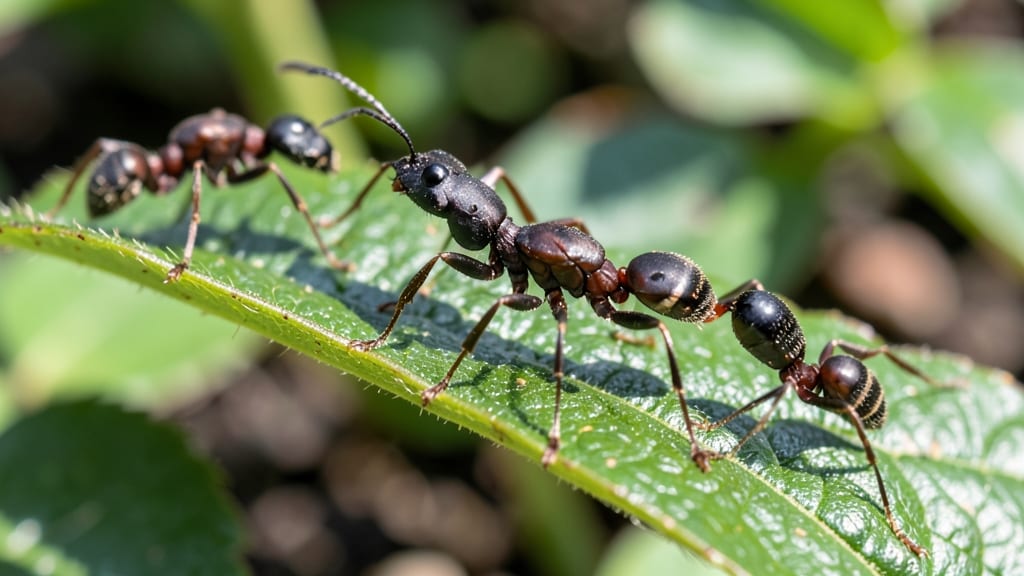
Ants on roses aren't just a nuisance—they're a warning sign of bigger problems brewing in your garden. 🌿 I've spent years watching these tiny invaders turn my thriving rose bushes into aphid buffets, and I learned the hard way that ignoring them means watching your plants slowly decline.
The real issue isn't the ants themselves, but what they protect: aphids, mealybugs, and other sap-sucking pests that drain your roses. Those little trails you see? They're highways for pests that will weaken your plants if left unchecked.
I've seen roses go from lush and fragrant to skeletal in just a few weeks when ants take over. The good news is you can kick them out without harsh chemicals. Simple organic methods like diatomaceous earth barriers, homemade ant baits, and proper pruning can restore balance to your garden.
By the end of this, your roses will be aphid-free and thriving again—no chemical warfare required. This works for all rose varieties, from hybrid teas to climbing roses, and keeps your garden ecosystem healthy. Let's get those ants out of your roses for good!
The Hidden Lure Behind Rose Ants
Ants swarming your rose bushes aren’t just random visitors—they’re following a trail of temptation. 🐜🌹 Understanding their motivations is the first step to outsmarting them. Below, we break down the three primary reasons ants flock to roses, complete with science-backed explanations and actionable insights to disrupt their plans.
Ants are drawn to roses like bees to clover—sugar is their kryptonite. Roses produce nectar in their flowers (especially in the morning), and many pests—like aphids, scale insects, and whiteflies—excrete a sticky, sugary substance called honeydew as they feed on rose sap.
Ants love this free snack and actively farm these pests to harvest the honeydew.
Why it’s a problem:
- Ants protect honeydew-producing pests from natural predators (like ladybugs), allowing infestations to grow unchecked.
- Their trails create secondary damage—ants may chew rose buds or even the stems while foraging.
Actionable fix:
- Disrupt the food chain: Introduce companion plants that repel aphids (e.g., garlic, chives, or marigolds) or attract their natural predators (like ladybugs or lacewings).
- Prune strategically: Remove heavily infested leaves or buds where honeydew accumulates, especially in early morning when nectar is fresh.
- Use sticky barriers: Wrap tree bands or sticky traps around rose stems to block ant trails without chemicals.
Roses provide ants with ideal real estate—their thorny canes, dense foliage, and underground roots offer protection from predators and the elements. Some ant species, like Argentine ants or fire ants, even nest in rose beds, creating long-term colonies that are harder to eradicate.
Why it’s a problem:
- Ants defend their territory aggressively, making it difficult for other beneficial insects (like pollinators) to thrive.
- Their nests can compromise rose health by tunneling into roots, disrupting water and nutrient uptake.
Actionable fix:
- Mulch smartly: Use coarse mulch (like cedar chips or pine straw) to deter ants from nesting—these materials create an inhospitable barrier.
- Target nest sites: Look for tiny mounds or trails leading to rose bases. Drench these areas with soapy water (1 tsp dish soap per gallon) to disrupt colonies.
- Encourage ant predators: Birds, toads, and certain beetles will hunt ants—leave some leaf litter or install a birdhouse nearby.
Here’s the kicker: we often invite ants to the party. Lawnmowers, garden tools, and even our shoes can unintentionally transport ants to rose bushes. Additionally, fertilizers high in nitrogen (a common rose food) can boost aphid populations, which in turn attracts more ants.
Why it’s a problem:
- Cross-contamination: Ants from one part of the garden can infiltrate rose bushes via tools or foot traffic.
- Chemical overkill: Many store-bought rose fertilizers indirectly fuel the ant problem by creating a buffet for pests.
Actionable fix:
- Sanitize tools: Wipe down pruners, trowels, and mowers with rubbing alcohol between uses to kill hitchhiking ants.
- Choose organic fertilizers: Opt for slow-release, balanced formulas (like compost or fish emulsion) to avoid nitrogen spikes that attract aphids.
- Create ant-free zones: Place diatomaceous earth (food-grade) in a thin ring around rose bases—ants avoid crossing it, but it’s harmless to roses.
Pro Tip: 💡 Monitor ant activity at dawn and dusk—these are peak foraging times. If you spot trails, act fast before they claim your roses as their all-you-can-eat buffet!
Quick Fixes for Rose Bush Pests
Ants on your rose bush aren’t just a nuisance—they can attract other pests like aphids, which then draw ants for their sticky honeydew. But before reaching for harsh chemicals, try these organic, effective solutions tailored to the root cause.
Below, we’ll map common triggers to simple fixes, plus prevention tips to keep your roses thriving naturally.
Ants march in straight lines along scent trails, so disrupting their path is your first line of defense.
🍳 DIY Ant Barriers
- Cinnamon or chalk line: Sprinkle a thin line of ground cinnamon or chalk around the base of your rose bush. Ants avoid these scents and textures.
Refresh every few days if it rains. - Diatomaceous earth (food-grade): Lightly dust a 1-inch band around the stem. This powder dehydrates ants on contact—just avoid overapplying, as it can harm soil microbes. - Coffee grounds: Mix used grounds into the soil near the bush.
The strong smell repels ants while enriching your roses.
🌡️ Natural Repellents to Spray
- Vinegar spray: Mix 1 part white vinegar with 1 part water in a spray bottle. Lightly mist ant trails (avoid direct contact with rose leaves).
The acidity disrupts their pheromone trails. - Lemon or orange peels: Boil peels in water for 10 minutes, strain, and spray the liquid around the bush. The citrus scent confuses ants.
Ants flock to roses because of aphids, scale, or mealybugs—their honeydew is an all-you-can-eat buffet. Knock out the pests first, then the ants will lose interest.
🥘 Hand-Pick or Blast Off Pests
- Strong water spray: Use a hose with a gentle jet to dislodge aphids and soft-bodied insects.
Do this in the early morning so roses dry quickly. - Neem oil solution: Mix 1 tbsp neem oil + 1 tsp mild soap + 1 quart water. Spray directly on infested areas (not just leaves).
Neem disrupts pests’ life cycles without harming roses. - Insecticidal soap: Spray early in the day on aphids or whiteflies. Test on a small leaf first—some roses are sensitive.
🔪 Introduce Predatory Insects
- Ladybugs: Release 10–20 ladybugs near the bush. They devour aphids and won’t harm roses.
- Lacewings: Their larvae are aphid-eating machines. Buy eggs or adults online and place them in shaded areas of your garden.
Once you’ve tackled the immediate problem, reinforce your defenses to prevent future invasions.
🌱 Companion Planting Strategy - Plant mint, lavender, or basil near your roses.
Their strong scents mask rose pheromones that attract ants. - Marigolds: These act as a natural ant deterrent while also repelling nematodes in the soil. - Garlic or chives: Crush a few leaves and scatter around the base. The sulfur compounds confuse ant foraging patterns.
🎯 Soil Health = Fewer Pests
- Healthy roses = fewer aphids. Feed your roses with compost tea or fish emulsion to boost their natural resistance.
- Mulch with cedar chips: Cedar naturally repels ants and improves soil aeration.
💡 Pro Tips for Stubborn Cases
- Bait traps: Mix borax (1 tbsp) + sugar (1 tbsp) + water (1 cup) in a shallow dish.
Place near ant trails—ants carry the bait back to their colony, eliminating them from within. - Check for hidden nests: If ants persist, dig gently near the rose’s base or under nearby rocks.
Destroy nests with soapy water or boiling water (avoid chemical pesticides). - Prune strategically: Remove heavily infested leaves and deadheading spent blooms reduces hiding spots for pests.
If ants return despite these efforts, they may have a large underground colony nearby.
In this case: - Vinegar-soak cotton balls: Place them in ant entry points (like cracks in the soil or along the fence). - Professional organic pest control: Some services use beneficial nematodes or granular diatomaceous earth for severe cases.
Remember: Consistency is key. Ants are persistent, but with layered defenses—barriers, pest control, and companion plants—your roses will stay ant-free without a single chemical. 🌹🚫🐜
Frequently asked questions
Why do ants suddenly appear on my roses when they weren't there before?
Ants often show up when they discover a food source like aphids or honeydew on your roses. These pests produce sugary secretions that ants love, creating a mutual relationship where ants protect aphids in exchange for snacks. Check for tiny green/black bugs clustered on leaves or stems—they're likely the reason for your ant invasion.
Are ants actually harmful to my roses, or are they just annoying?
While ants themselves rarely damage roses directly, they create bigger problems by protecting harmful pests like aphids and mealybugs. These pests drain plant sap, weakening your roses over time. The ants' trails can also damage buds and stems during foraging, so it's best to address them before they establish a colony.
Will vinegar spray hurt my roses if I use it to repel ants?
When used correctly, vinegar spray is safe for roses. Always mix equal parts white vinegar and water and apply only to ant trails, avoiding direct contact with leaves. The acidity disrupts ant pheromones without harming your plants. For extra protection, apply in the evening when roses are less active.
How long does it take to see results from organic ant control methods?
Most organic methods like diatomaceous earth or citrus sprays show results within 24-48 hours for active trails. However, eliminating established colonies may take 1-2 weeks as ants reproduce quickly. Consistency is key—reapply barriers every few days and monitor for new activity, especially after rain.
Can I use the same ant control methods for other garden plants?
Yes! Most organic ant deterrents like coffee grounds, cinnamon barriers, or neem oil work safely on all plants. Just adjust concentrations—some delicate plants may need diluted solutions. Avoid diatomaceous earth on vegetables you eat raw, as it can irritate skin when handling.