
Diseases
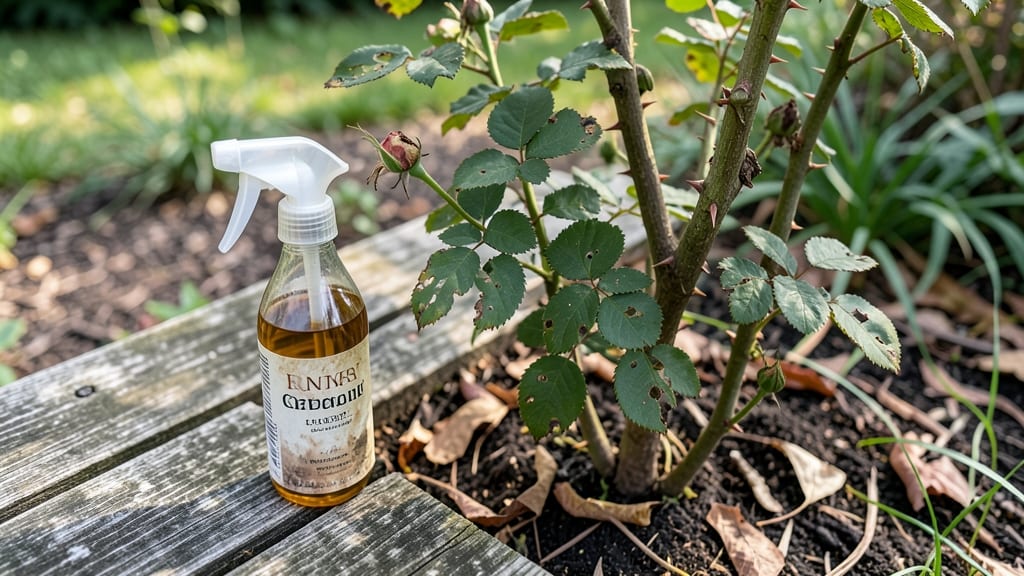
A simple treatment for holes in rose leaves can save your plants—here’s how to revive even the most ragged foliage with just three easy, chemical-free steps. 🌹 The key is identifying the culprit first: fungal spots, beetles, or slugs all leave holes, but the fixes differ completely.
Most people reach for sprays too late, when the damage is already done. Start by inspecting the undersides of leaves—fungal spots show up as yellow patches with tiny black dots, while beetle damage looks like Swiss cheese.
Once you know what’s attacking, you can target treatments like neem oil for fungi or diatomaceous earth for insects. Within 7-10 days of consistent care, you’ll see new growth pushing through, thick and healthy. The holes stop spreading, and your roses rebound with fewer scars than you’d expect.
This method works for hybrid teas, floribundas, and even climbing varieties. For stubborn cases, I’ll show you when to call in reinforcements—because some problems need a pro’s touch. Let’s get those leaves healing!
Root Causes of Leaf Damage
Those mysterious holes in your rose leaves aren’t just random—each one tells a story about what’s stressing your plant. Understanding the why behind the damage is the first step to fixing it.
Below, we break down the most common culprits, from tiny pests to environmental stressors, with the science behind their destructive habits.
Insects are the most obvious (and frustrating) cause of holes in rose leaves. These critters don’t just nibble—they devour foliage, leaving behind jagged edges or skeletonized leaves. Here’s who’s likely to blame:
- Japanese Beetles 🐞: These metallic-green invaders are voracious feeders. Adult beetles chew leaves in a scalloped pattern, often starting at the edges and moving inward. They target roses, hibiscus, and other lush foliage, and their larvae (grubs) also damage roots.
- Rose Slugs (Sawfly Larvae) 🐛: These squishy, green caterpillar-like pests (despite their name, they’re not true slugs) create window-pane holes—leaving only the leaf veins intact. They cluster on the undersides of leaves, making them easy to spot if you flip over damaged foliage.
- Aphids & Spider Mites 🕷️: While they don’t create large holes, their feeding weakens leaves, making them more susceptible to tearing. Aphids cluster in colonies, while spider mites spin fine webs and cause stippling (tiny white dots) before leaves yellow and drop.
- Caterpillars (e.g., Cabbage Looper, Tomato Hornworm) 🐛: These fuzzy or smooth-bodied larvae leave irregular holes and frass (tiny black droppings) behind. They’re often hidden in buds or flowers during the day and emerge to feed at night.
💡 Pro Tip: Check the undersides of leaves and inspect for eggs, frass, or webbing. Early detection = easier control!
Fungi like to hide in the shadows, thriving in damp conditions to weaken leaves until they develop holes or die. These pathogens don’t chew—they rot and decay plant tissue from the inside out.
- Black Spot (Diplocarpon rosae) 🌑: This fungal disease creates purple-black spots with yellow halos, which eventually develop holes as the leaf tissue dies. It spreads via water splashes (like from overhead irrigation) and thrives in humid, shady conditions.
- Powdery Mildew (Erysiphe spp.) 🍄: While it usually appears as a white, powdery coating, severe infections can cause leaves to yellow, curl, and develop holes as they wither. It loves hot, dry days with cool nights—classic rose-growing weather!
- Botrytis Blight (Botrytis cinerea) 💀: This gray mold attacks stressed or injured leaves, causing brown, mushy patches that expand into large holes. It’s especially problematic in tight, humid environments (like greenhouses or crowded rose beds).
🌡️ Key Factor: Fungi need moisture to spread. Poor airflow, overwatering, or evening dew can turn a minor issue into a full-blown outbreak.
Not all damage comes from living things—sometimes, your roses are fighting against the elements. These factors weaken leaves, making them prone to tearing, disease, or pest attacks.
- Wind & Hail 🌬️⚡: Physical damage from storms or strong winds can puncture leaves, creating irregular holes. Hail leaves behind dented, bruised spots that may turn brown over time.
- Extreme Heat or Cold 🔥❄️: Heat stress causes leaves to scorch (brown, crispy edges), while cold snaps lead to freeze damage (blackened, mushy patches). Both conditions make leaves fragile and easy to tear.
- Poor Watering Practices 💦:
- Overwatering: Leads to root rot, which starves leaves of nutrients, causing them to yellow and develop holes.
- Underwatering: Causes leaves to curl and dry out, making them brittle and prone to breaking.
- Nutrient Deficiencies 🥬: Lack of nitrogen, magnesium, or iron weakens leaves, making them susceptible to pests and diseases. For example, magnesium deficiency causes interveinal chlorosis (yellowing between veins), which can lead to leaf collapse.
🎯 Prevention Tip: Mulch around rose bushes to regulate soil temperature and retain moisture. Avoid overhead watering to reduce fungal spores splashing onto leaves.
Sometimes, the holes in your rose leaves are a side effect of well-intentioned (or not-so-intentioned) treatments. Chemicals can burn or weaken leaves, making them vulnerable to further damage.
- Herbicide Drift 🌿: If you’ve sprayed weed killer nearby, glyphosate or 2,4-D can drift onto rose leaves, causing brown, crispy patches that may develop holes as tissue dies.
- Over-Fertilization 💥: Too much salt or synthetic fertilizer can burn leaves, leading to yellowing, curling, and holes. Look for brown edges or white crust on soil as red flags.
- Harsh Pesticides 🦠: Some insecticides (especially neonicotinoids) can cause leaf distortion or necrosis (dead tissue) if applied incorrectly or in high concentrations.
✨ Safety First: Always test chemicals on a small leaf area first and follow label instructions. Organic alternatives (like neem oil or insecticidal soap) are gentler on plants.
Quick Fixes for Damaged Rose Leaves
Now that you know the culprits behind those pesky holes in your rose leaves—whether it’s fungal spots, pests, or environmental stress—it’s time to roll up your sleeves and restore your roses to their former glory! 🌿✨ Below are practical, step-by-step solutions tailored to each cause, plus prevention tips to keep your roses thriving long-term.
If your roses are battling fungal infections like black spot or rust, act fast—these spread quickly and weaken your plants.
🔥 Step 1: Prune Infected Leaves
- Remove all leaves with holes, spots, or discoloration using sterilized pruners (wipe with rubbing alcohol between cuts).
- Dispose of infected foliage in the trash (not compost)—fungi can survive in compost piles.
- Pro Tip: 🌡️ Prune in the morning when leaves are dry to prevent fungal spores from splashing onto healthy leaves during watering.
🍳 Step 2: Apply a Natural Fungicide
Mix one of these DIY treatments in a spray bottle and apply to both sides of leaves (especially undersides, where fungi love to hide):
| Treatment | How to Make It | How to Use |
|---|---|---|
| Baking Soda Spray | 1 tsp baking soda + 1 tbsp horticultural oil + 1 tsp mild soap + 1 gallon water | Spray every 7–10 days until new growth appears. |
| Neem Oil Solution | 1 tbsp neem oil + 1 tsp soap + 1 quart water (shake well) | Spray at dusk (avoids burning leaves in sunlight). Repeat weekly. |
| Copper Fungicide | Follow label instructions for organic copper sprays (e.g., Bonide Copper Fungicide) | Apply every 10–14 days or as directed. |
- Pro Tip: ✨ Add a fan near your roses for 10–15 minutes daily to improve air circulation—fungi thrive in humid, stagnant conditions.
👨🍳 Step 3: Boost Plant Immunity
- Fertilize with a balanced organic fertilizer (like fish emulsion or compost tea) to strengthen your roses.
- Water at the base (not overhead) to keep leaves dry—wet leaves = fungal paradise.
- Mulch around the base with straw or wood chips to improve soil health and reduce splashback from irrigation.
If tiny critters are munching on your roses, smother them fast before they strip your plant bare.
🔪 Step 1: Manual Removal (Best for Small Infestations)
- Handpick Japanese beetles (drop them in soapy water 🚫🐞).
- Blast off aphids with a strong spray of water (repeat daily for 3–5 days).
- Vacuum spider mites with a shop vac (they’re tiny but visible on leaf undersides).
🌿 Step 2: Natural Pest Control
| Pest | Solution | How to Apply |
|---|---|---|
| Aphids | Insecticidal soap or spinosad spray (organic) | Spray directly on pests (repeat every 5–7 days). |
| Japanese Beetles | Kaolin clay spray (Surround WP) or neem oil | Apply at dusk to deter beetles from landing. |
| Spider Mites | Water spray (mites hate humidity) + horticultural oil spray | Mist leaves daily for 3 days, then spray oil weekly. |
- Pro Tip: 💡 Release beneficial insects like ladybugs or lacewings—they eat pests for free!
⏰ Step 3: Prevent Future Infestations
- Install fine mesh netting over roses if Japanese beetles are a recurring problem.
- Remove weeds (they harbor pests) and clean up fallen leaves regularly.
- Rotate pest control methods to avoid resistance (don’t use the same spray every time).
If holes are from physical damage (like hail or wind) or chemical exposure, recovery is about protection and healing.
🌿 Step 1: Protect from Further Damage
- Cover roses with frost cloth or burlap during storms or hail forecasts.
- Avoid overhead watering if leaves are still wet (prevents wind from tearing them).
- Test soil pH—if too alkaline/acidic, it can cause nutrient burn (use a soil test kit).
🍎 Step 2: Help Leaves Recover
- Apply a seaweed or kelp fertilizer to boost cell repair.
- Mist leaves lightly with water (not soaking) to prevent dehydration in windy conditions.
- Trim severely damaged leaves to redirect energy to new growth.
🎯 Step 3: Long-Term Prevention
- Plant windbreaks (like tall grasses or shrubs) to shield roses from harsh gusts.
- Use rain guards on sprinklers to prevent water damage to leaves.
- Wear gloves when handling chemicals—always follow label instructions to avoid burns.
- Inspect leaves weekly—catch problems early before they spread! 🔍
- Rotate pruning tools to avoid spreading disease between plants.
- Avoid wetting leaves when watering—deep root watering keeps foliage dry.
- Diversify your garden—plant marigolds or garlic nearby to repel pests naturally.
With these targeted fixes, your roses should bounce back in 2–4 weeks—and with a little prevention, you’ll enjoy lush, hole-free leaves all season long! 🌹💚
Frequently asked questions
Why do rose leaves develop holes even after I prune damaged ones?
Holes can reappear if the underlying issue isn't addressed. Fungal diseases like black spot or hidden pests (such as spider mites) continue spreading. Always treat with fungicides or insecticides after pruning, and improve airflow around your roses. Without fixing the root cause, new leaves will keep getting damaged within 2-3 weeks.
Can I use the same treatment for holes caused by pests vs. fungal infections?
No—never mix them! Pests need insecticides (like neem oil or kaolin clay), while fungi require fungicides (baking soda spray or copper solutions). Using the wrong treatment can worsen the problem. Always identify the cause first by checking leaf undersides for pests or fungal spots.
How often should I apply neem oil for rose leaf holes?
Apply neem oil weekly for 4-6 weeks to break pest/fungal cycles. For stubborn cases, use it every 3-4 days for 10 days, then reduce to monthly maintenance. Always apply at dusk to prevent leaf burn from sunlight. Mix with water and a drop of soap for better adhesion.
Will my roses bloom normally if leaves have holes?
Yes, but severe damage may reduce blooms. Healthy roots and stems can still produce flowers, though the plant diverts energy to recovery. Focus on treating the cause first—new growth will emerge within 2-3 weeks if you address the issue early. Over-pruning can stress the plant further, so only remove 20-30% of foliage at once.
When should I call a professional for rose leaf holes?
Consult an expert if: 50%+ of leaves are damaged, treatments fail after 4 weeks, or you suspect herbicide drift. Professionals can diagnose rare diseases or pest outbreaks (like rose slugs) that DIY methods miss. For organic gardens, they may recommend targeted biological controls.