
Blooming
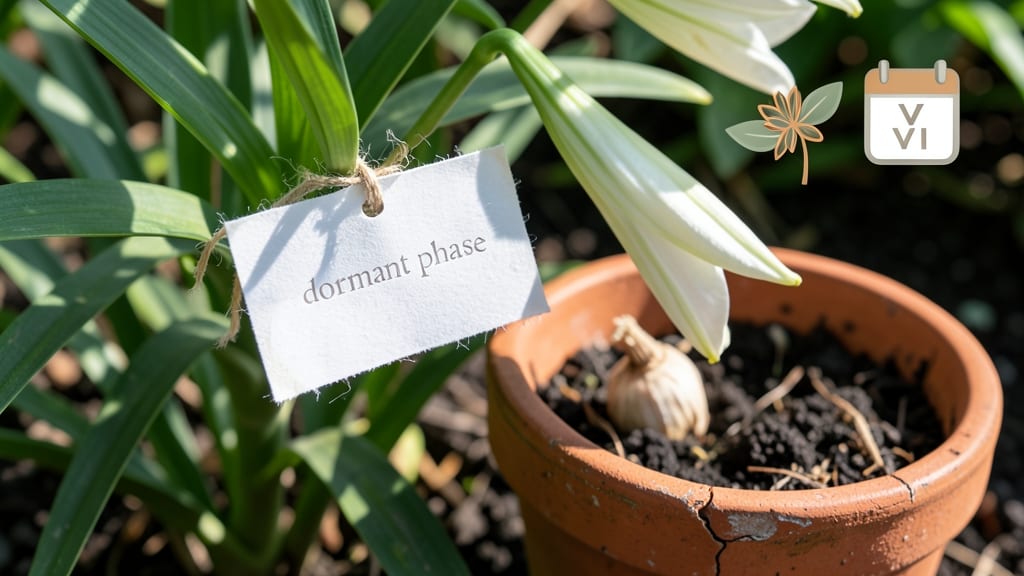
Will Easter lily bloom again? Typically not, because they’re seasonal bulbs that prioritize flowering over regrowth. However, with careful post-bloom care—like keeping foliage intact and protecting them through winter—they may produce flowers again in future seasons under ideal conditions.
Easter lilies channel most of their energy into that dramatic spring bloom rather than storing it for future growth. 🌱 Think of them like fireworks—they put on one spectacular show before fading.
That said, their tropical roots mean they can rebound if you mimic their natural environment: keep the soil moist but well-draining, provide bright indirect light, and avoid disturbing the bulb after flowering. Many gardeners report second blooms in years two or three with this approach, though results vary by climate.
What’s fascinating is how their growth cycle differs from true perennials like daylilies. Easter lilies are technically geophytes—they store energy underground—but their bulbs aren’t as resilient to dormancy as hardy perennials.
The key to encouraging reblooms lies in balancing their need for rest with consistent care during the growing season. For example, fertilizing lightly with a balanced 10-10-10 mix after blooming helps rebuild reserves without overstimulating new growth too early.
💡 In This Article
- Why Easter Lilies Rarely Rebloom: The Science Behind Their Growth Cycle
- How to Encourage Easter Lily Reblooming: Step-by-Step Care Guide
Why Easter lilies rarely rebloom: the science behind their growth cycle
The core reason Easter lilies (Lilium longiflorum) rarely rebloom lies in their energy allocation strategy. When they produce those iconic white trumpet flowers, they divert nearly all their stored nutrients and sugars from the bulb into flowering—often depleting reserves that would otherwise fuel regrowth.
This is a survival tactic common in seasonal bulbs: they prioritize reproduction over longevity. For comparison, true perennials like daylilies (Hemerocallis) store energy more evenly across their root systems, allowing multiple blooming cycles.
Botanists classify Easter lilies as geophytes, meaning they rely on underground storage organs (bulbs) for survival. However, their tropical origins create a paradox: while they thrive in warm climates, their bulbs lack the hardiness of temperate perennials.
When exposed to cooler temperatures (below 50°F), they enter a dormancy-like state, but without proper care, they fail to rebuild sufficient energy for reblooming. The bulb's ability to store starches—typically 20-30% of its dry weight—is critical, but this reserve gets exhausted during the first bloom cycle.
Light exposure plays a surprising role too. Easter lilies are long-day plants, meaning they flower in response to increasing daylight (14+ hours). After blooming, they need 6-8 weeks of consistent light (6+ hours daily) to recover foliage and rebuild bulb reserves.
Many gardeners mistakenly prune leaves too soon, cutting off this vital photosynthesis period. The leaves should yellow naturally before removal—a sign the plant is redirecting nutrients back to the bulb.
Another key factor is their root system. Unlike perennials that develop extensive root networks, Easter lilies have relatively shallow, fibrous roots that struggle to absorb nutrients efficiently after the first bloom.
This is why they often decline in container gardens unless repotted annually with fresh, well-draining soil (a mix of peat moss, perlite, and compost works best). The roots also require consistent moisture (but never soggy soil) to transport nutrients back to the bulb during recovery.
Climate matters dramatically here. In USDA zones 8-10, where winters are mild, Easter lilies may rebloom more reliably because they don’t experience deep dormancy.
But in colder zones (5-7), gardeners must simulate tropical conditions by bringing potted plants indoors before frost or using 3-4 inches of mulch to insulate bulbs. The mulch helps maintain soil temps above 40°F, preventing premature dormancy.
What most people overlook is the chemical signaling in the bulb. After flowering, the plant produces abscisic acid**, a hormone that triggers leaf senescence (the dying-back process). This is normal—but if the foliage is removed too early, the bulb misses its chance to store critical starches.
Think of it like a plant's way of saying, "I’ve done my job; now it’s time to rest and recharge."