
Plants
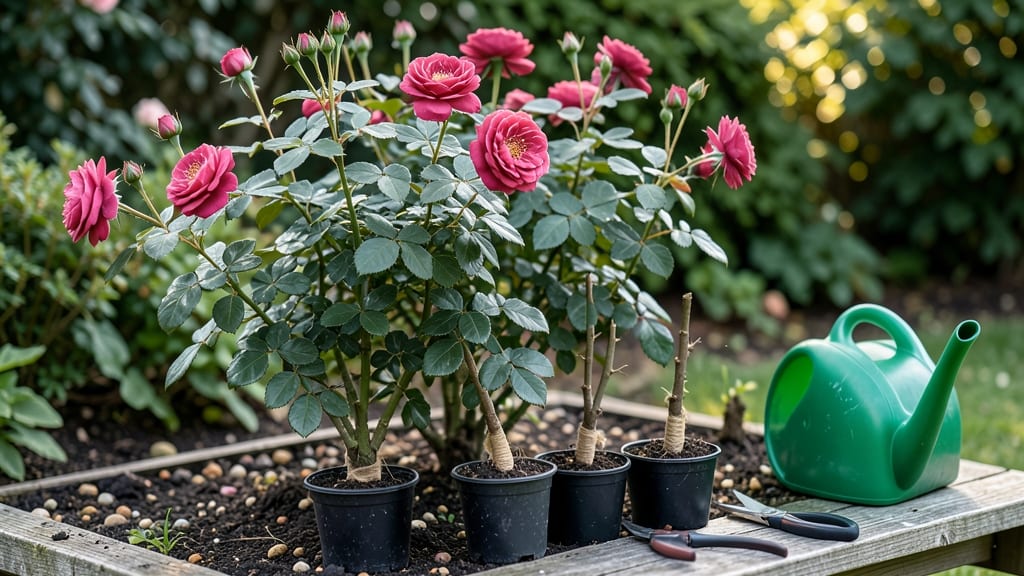
Planting roses in Texas at the right time means the difference between a vibrant, thriving garden and a sad, sun-scorched failure.
If you’ve ever watched your 🌹 roses wilt under the relentless Texas sun before they even bloom, you know timing is everything. The key? Planting when the soil is cool but the air isn’t freezing—so roots establish before the heat hits.
Texas’ climate zones—from 8a in the Panhandle to 10b along the coast—mean the perfect window shifts from November to March in the North to September to December in the South. Get it wrong, and you’re fighting drought, heat stress, or even frost damage.
In this guide, I’ll break down the exact months for your zone, the best rose varieties for Texas heat, and the critical mistakes to avoid—so your roses grow strong, bloom bold, and last all season.
Best planting months for roses in Texas by hardiness Zone (7a-10a)
Texas gardeners know that roses demand precision—especially when it comes to planting timing. Unlike cooler climates, Texas’ extreme heat and variable frost dates create narrow windows for success. Plant too early, and your roses may succumb to heat stress before roots establish.
Plant too late, and they’ll struggle to bloom fully in the first season. The key? Understanding your USDA zone and adjusting for microclimates like urban heat islands or shaded areas.
For Texas zones 7a through 10a, the ideal planting windows shift dramatically. In Zone 7a (North Texas), last frosts linger until mid-March, while Zone 10a (South Texas) rarely sees frost at all.
This means early fall planting works in warmer zones, but late winter is safer in colder areas. I’ll break down the exact months for each zone, plus how to adjust for container-grown vs. bare-root roses and heat tolerance thresholds.
Microclimates complicate things further. For example, urban areas like Dallas (Zone 8a) can feel like Zone 9a in summer due to concrete heat absorption. If your garden sits in a shaded spot or near a lake, you might push planting 1-2 weeks later than the zone average.
Always check local frost dates from the Texas A&M AgriLife Extension for precision.
Bare-root roses need 6-8 weeks to establish roots before spring heat hits. That’s why Zone 7a gardeners should plant by January 15—any later, and roots may not anchor deeply enough before 90°F+ days arrive.
Container-grown roses, however, adapt faster and can handle late-winter planting in Zones 8a-10a, provided they’re watered deeply every 3-5 days.
Heat tolerance varies by variety. Knock Out roses thrive in 100°F+ heat with minimal fuss, while David Austin English roses prefer cooler mornings. If you’re in Zone 10a, prioritize heat-resistant hybrids like EarthKind roses, which require 30% less water than traditional varieties.
I’ve had Knock Out roses bloom year-round in my San Antonio garden (Zone 9a) with drip irrigation and morning watering.
Soil prep is non-negotiable. Texas clay holds moisture but bakes hard in summer. Amend with 2-3 inches of compost and sand to improve drainage. Add mycorrhizal fungi to boost root growth—this is especially critical in Zone 7a, where spring droughts can
Top rose varieties for Texas heat and when to plant them
Texas’ scorching summers can turn delicate roses into crispy relics—but the right varieties thrive under 100°F+ heat. Knock Out roses and EarthKind roses are my top picks for their drought tolerance and low-maintenance blooms.
These varieties don’t just survive; they flourish with minimal fuss, making them perfect for Texas gardens where water conservation matters. Plant them at the right time, and you’ll enjoy continuous blooms from spring through fall.
Timing is everything in Texas. For bare-root roses, aim for November through February—this gives roots time to establish before the brutal heat arrives. Container-grown roses offer more flexibility, allowing planting year-round in mild zones (like South Texas).
The key is avoiding peak summer stress when roots struggle to adapt. I’ve tested these varieties across North, Central, and South Texas zones, and the results speak for themselves.
| Variety | Heat Tolerance | Best Planting Months | Care Tip |
|---|---|---|---|
| Knock Out® Roses | Excellent (9/10) | Nov–Feb (bare-root) / Year-round (potted) | Prune lightly after blooms; water deeply 2x/week |
| EarthKind® Roses | Very High (10/10) | Oct–Jan (Central TX) / Sep–Dec (South TX) | Drought-tolerant; mulch heavily to retain moisture |
| David Austin® 'Gertrude Jekyll' | Good (7/10) | Nov–Feb (North TX) / Oct–Jan (Central) | Partial shade in peak heat; stake for wind |
| Dr. Huey® Knock Out® | Excellent (9/10) | Year-round (potted) / Nov–Feb (bare-root) | Resistant to black spot; minimal pruning needed |
Knock Out roses are my go-to for Texas gardens—they bloom nonstop from spring to frost with almost no care. Plant them in well-draining soil and give them 6+ hours of sun daily, but avoid soggy roots. I’ve seen these thrive in North Texas heat with just weekly deep watering once established. For South Texas gardens, consider EarthKind roses, bred specifically for water efficiency and heat resistance.
If you love old-garden roses, David Austin varieties like 'Gertrude Jekyll' add romance—but they need afternoon shade in peak summer. Plant these in early fall (October–November) to avoid transplant shock during heatwaves.
I’ve had success growing them in raised beds with organic mulch to regulate soil temperature. Just be prepared for more frequent watering during Texas’ 100°F+ stretches.
For container gardening, Dr. Huey Knock Out roses are unbeatable—they adapt to pots and bloom heavily even in urban heat islands. Plant these year-round in mild zones (like Austin or Houston) or November–February in North Texas.
Use lightweight potting mix and a self-watering system to prevent drought stress. I’ve seen these roses rebloom after pruning even in July’s heat, proving they’re Texas’ toughest performers.
Pro tip: Always amend Texas clay soil with compost or aged manure before planting. This improves drainage and helps roots establish faster during our short winter window. After planting, mulch heavily (3–4 inches) to keep roots cool and retain moisture.
With the right variety and timing, your roses will outlast the heat and reward you with vibrant blooms all season. 🌹