
Shrubs
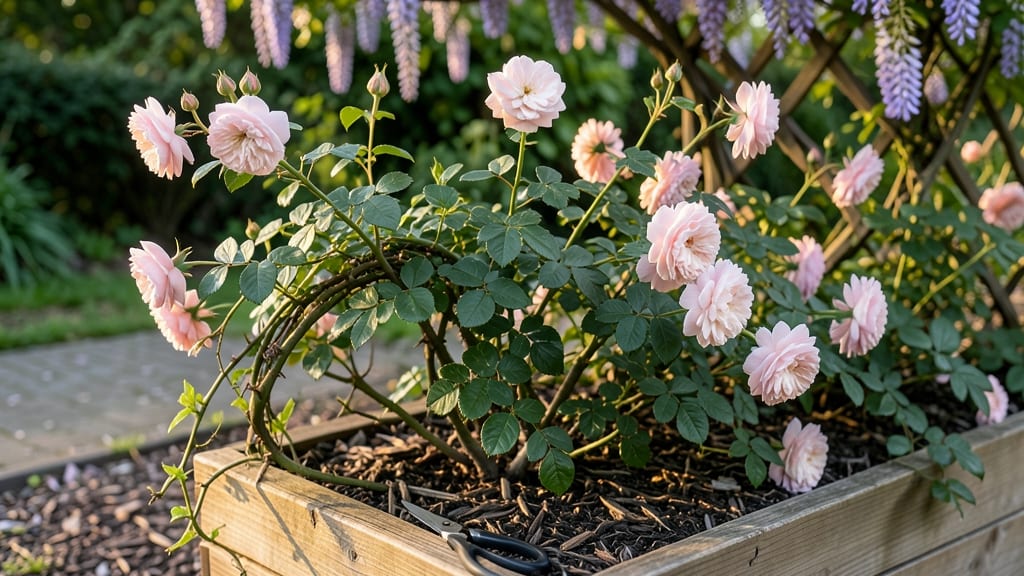
Nothing transforms a garden like the David Austin Eden Climbing Rose—its velvety blooms and intoxicating scent turning plain walls into living tapestries. 🌹 I planted mine against a wooden fence last spring, and by summer, it became the centerpiece of my backyard, draping itself in layers of soft pink and creamy yellow.
This rose isn’t just beautiful; it’s a four-season performer, with fragrance that lingers even when flowers fade.
The secret to its magic lies in placement and companions. Train it along arbors, pergolas, or trellises where it can climb and cascade naturally. Pair it with lavender for contrast or clematis for vertical drama—the combination creates a fragrant, textured border that’s impossible to ignore.
Even its foliage stays glossy and healthy, adding lushness year-round. Prune lightly in late winter to encourage fresh growth, and watch it burst into bloom by early summer.
What makes this rose truly special is its year-round interest. The blooms return in waves, and the petals release a sweet, spicy fragrance that fills the air on warm evenings.
In fall, the hips add a touch of rustic color, while winter’s bare branches create an elegant silhouette against snow. It’s the kind of plant that makes neighbors stop and ask, “What is that?”—and then want one for themselves.
For best results, plant it in well-draining soil with morning sun and afternoon shade—it thrives where other roses might struggle. The Eden’s natural climbing habit means minimal pruning, but a sturdy support structure keeps it looking intentional.
Whether you’re dressing up a fence, framing a patio, or adding height to a border, this rose delivers timeless elegance with minimal effort.
📚 In This Guide
- What you need
- Instructions
- Tips and common mistakes
- Wrapping up and next steps
What you need
- ● David Austin Eden Climbing Rose: 1 bare-root or container-grown plant (ensure it’s disease-resistant and healthy).
- ● High-quality potting soil: 5+ gallons (or native soil amended with compost and organic matter for in-ground planting).
- ● Slow-release fertilizer: 1 lb (e.g., rose-specific granules or balanced 10-10-10).
- ○ Mulch: 2–3 inches of wood chips or straw (optional but recommended for moisture retention).
- ● Rose ties or soft garden twine: 1 roll (for supporting the climbing stems).
- ● Pruning shears: 1 pair (sterilized with rubbing alcohol or bleach solution).
- ● Epsom salt: 1 tbsp (for magnesium boost during active growth).
- ● Garden trowel or spade: For digging holes (12–18 inches deep and wide).
- ● Gloves: 1 pair (heavy-duty for thorns and soil work).
- ● Watering can or hose: With a gentle spray nozzle (avoid harsh pressure).
- ● Trellis, arbor, or sturdy fence: 6–10 feet tall (for climbing support—essential for this variety!).
- ● Sunlight access: Full sun (6+ hours/day)—partial shade may reduce blooms.
- ○ Disease prevention: Copper fungicide (optional, for humid climates).
- ● 🌡️ Best planting time: Early spring or fall (avoid extreme heat or frost).
- ● ✨ Soil pH: Aim for 6.0–6.5 (test with a kit if unsure).
- ● 🎯 Watering: Keep soil consistently moist (not soggy) for the first 2 weeks.
Step-by-Step guide to planting and cultivating the david austin Eden climbing rose
This heirloom beauty thrives with the right site and care—here's how to coax its legendary fragrance and repeat blooms.
☀️ Step 1: Select the Perfect Sun-Dappled Location
The Eden rose demands 6+ hours of sunlight daily but tolerates afternoon shade in hot climates. I always scout the site for at least two weeks first—watch how sunlight shifts throughout the day. The ideal spot gets morning sun and afternoon shade, protecting petals from scorching while maintaining bloom intensity.
Plant near a trellis, arbor, or sturdy wall where vines can climb 10-15 feet high. Avoid low-lying areas where cold air pools—the Eden's winter hardiness tops out at Zone 5, so elevated sites prevent frost damage. Test soil drainage by digging a 12-inch hole and filling it with water; if it drains in under 30 minutes, the site's perfect.
🪴 Step 2: Prepare the Planting Hole and Amend Soil
Dig a hole twice as wide as the root ball but no deeper—Eden roses hate having their graft union buried. Loosen the roots gently if they're circling the pot, then spread them outward in the hole. The graft union (visible bump on the stem) should sit 2-3 inches above soil level—this prevents root rot from soil splash.
Mix the excavated soil with 3-4 inches of compost and a handful of bone meal for phosphorus (critical for flowering). Avoid fresh manure—it burns tender roots. Gently backfill around the roots, tamping lightly every 2 inches to eliminate air pockets. Water deeply to settle the soil before moving to the next step.
🌱 Step 3: Install Support and Prune for Structure
Attach the rose to its trellis immediately using flexible plant ties—never wire, which can girdle stems. I use 1-inch wide fabric ties because they stretch as the cane grows. Space ties 6-8 inches apart along the main stem to distribute weight evenly.
Prune the plant before planting by cutting back one-third of the oldest canes to encourage new growth. Remove any dead, diseased, or crossing branches—this opens the center for airflow and reduces black spot risk. Leave 3-5 strong buds on each remaining cane to establish the framework for next year's blooms.
💧 Step 4: Water Deeply and Mulch for Retention
Water the newly planted rose with 1-2 gallons of water spread evenly around the root zone. The soil should be moist 6-8 inches deep—check by inserting a screwdriver. Overwatering now causes root suffocation; underwatering stresses the plant before it establishes.
Apply 3-4 inches of organic mulch (shredded bark or straw) around the base, keeping it 6 inches away from the stem to prevent rot. Mulch conserves moisture and regulates soil temperature—critical for Eden roses, which bloom prolifically but need consistent hydration. Replenish mulch annually as it decomposes.
✂️ Step 5: Establish a Year-Round Care Routine
Feed the rose every 4-6 weeks during the growing season with a balanced 10-10-10 fertilizer, reducing to half-strength after July to promote fall blooms. I always water first to prevent root burn—Eden roses are heavy feeders but hate fertilizer touching dry roots.
Deadhead spent blooms weekly by cutting back to the first five-leaflet leaf below the bloom. This redirects energy to new flowers and prevents seed formation, which drains the plant. In fall, apply a high-potassium fertilizer to harden canes for winter. Prune lightly in late winter, removing only dead wood and crossing branches before new growth begins.
Tips & tricks for perfect Eden climbing rose cultivation
The Eden rose's legendary fragrance and repeat blooms come down to these key details that separate thriving plants from struggling ones.
Site Selection Insight: The 6+ hours of sunlight requirement is non-negotiable, but here's what I've learned: In hot climates, morning sun with afternoon shade isn't just about preventing scorching—it's about maintaining that signature Eden fragrance. The afternoon shade preserves the volatile oils that create the rose's signature scent. I always test potential sites for two weeks first to track sunlight patterns, especially if you're near trees or buildings that might cast shifting shadows.
Root Ball Preparation: When loosening circling roots in Step 2, think of it like untangling headphones—gentle persistence pays off. The graft union's position 2-3 inches above soil level is critical because any deeper and you risk suffocation from soil splash during heavy rains. I've seen many gardeners bury the graft union by accident, which leads to poor growth and disease susceptibility. Use a small stake to mark the correct depth before planting.
Trellis Attachment Technique: The 1-inch wide fabric ties in Step 3 aren't just about support—they're about growth. These ties stretch as the cane thickens, preventing the wire-like girdling that can strangle stems. Space them 6-8 inches apart to distribute the rose's weight evenly. Pro tip: I always attach the ties at a slight upward angle to encourage upward growth rather than sprawling.
Watering Wisdom: That 1-2 gallon watering in Step 4 should create soil moisture to 6-8 inches deep—think of it like filling a moisture reservoir for the plant's roots. I use a screwdriver to check depth because visual cues can be deceiving. Overwatering now causes more problems than underwatering, so let the soil dry slightly between waterings once established, especially in humid climates where fungal diseases thrive.
Pro Tips for David Austin Eden Climbing Rose
- The Eden rose's legendary fragrance and repeat blooms come down to these key details that separate thriving plants from struggling ones.
- The afternoon shade preserves the volatile oils that create the rose's signature scent.
- Root Ball Preparation: When loosening circling roots in Step 2, think of it like untangling headphones—gentle persistence pays off.
Frequently asked questions
about the David Austin Eden Climbing Rose—because every gardener deserves clarity! Here are answers to the most common queries to help you nurture this fragrant beauty with confidence.How fast does the Eden Climbing Rose grow, and how tall can it reach?
The Eden Climbing Rose is a vigorous grower, typically adding 3–5 feet per year with proper care. With ideal conditions (full sun, well-draining soil, and regular pruning), it can reach 10–15 feet tall and spread just as wide—making it perfect for trellises, arbors, or pergolas!
When is the best time to plant or transplant this rose?
Plant or transplant your Eden Climbing Rose in early spring or fall when temperatures are mild (50–70°F). Avoid extreme heat or frost, as roots need time to establish. If planting in summer, water deeply and mulch to retain moisture. Pro tip: Soak the roots in water for 1–2 hours before planting to reduce transplant shock!
Does the Eden Climbing Rose bloom continuously, or are there seasonal gaps?
One of its standout features! This rose offers near-continuous blooms from early summer through fall, with occasional winter blooms in mild climates. While it may rest briefly in late winter, proper pruning and care encourage abundant, fragrant flowers year-round.
How should I prune the Eden Climbing Rose to encourage more blooms?
Prune in late winter or early spring (before new growth starts). Remove dead, diseased, or crossing branches, then cut back remaining canes by ⅓ to ½ their length. For climbing roses, shape the plant to direct growth along the trellis. Pro tip: Deadhead spent blooms regularly to promote more flowers!
What pests or diseases should I watch for, and how do I treat them?
Common issues include aphids, black spot fungus, and powdery mildew. Prevent pests with neem oil or insecticidal soap. For fungal diseases, ensure good airflow and treat with fungicide if needed. Pro tip: Mulch around the base to deter soil-borne diseases and retain moisture!
Can the Eden Climbing Rose survive in cold climates (USDA Zones 6–9)?
Yes! This rose is hardy to USDA Zones 5–9, but in colder regions (Zone 5), mulch heavily and protect with burlap wraps in winter. In Zone 10+, provide afternoon shade to prevent heat stress. With proper care, it thrives in diverse climates!
Wrapping up and next steps
The David Austin Eden Climbing Rose is a true gem for gardeners seeking timeless beauty, intoxicating fragrance, and year-round interest. With its lush blooms, disease resistance, and adaptability, it effortlessly elevates any landscape—whether climbing a trellis, draping over an arbor, or cascading down a wall. 🌹
Ready to bring this elegant climber into your garden? Start by reviewing the planting essentials or exploring expert care tips to ensure a thriving, fragrant addition. Your garden will thank you!