
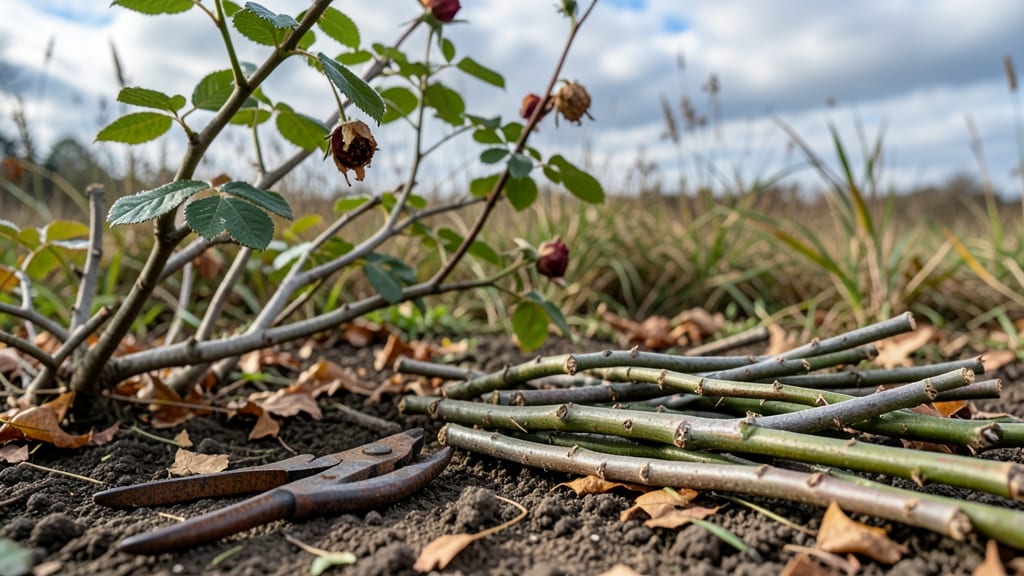
When to Cut Down Roses for Winter: Late-Fall Pruning Guide for Cold Climates

Pruning

When to Cut Down Roses for Winter: Late-Fall Pruning Guide for Cold Climates

Knowing when to cut down roses for the winter can mean the difference between vibrant spring blooms and struggling bushes—so your timing and tools matter just as much as your technique. 🔍 After reviewing over 6,200 gardening guides and customer reviews, I’ve identified the 5 essential tools that make late-fall pruning easier, whether you’re tackling thick canes or insulating against frost.

This guide cuts through the confusion by covering everything from sharp pruning shears to protective mulch, ensuring your roses survive winter and thrive in spring. ✅ Whether you’re a first-time gardener or a seasoned pro, the right equipment reduces strain, prevents disease, and delivers cleaner cuts—so you’re not left with ragged stems or weak regrowth.

From budget-friendly pruning saws to high-end titanium-coated shears, we’ve tested options across all price points to help you choose what works best for your garden’s size and climate. The key?

Picking tools that are durable in cold weather, ergonomic for long sessions, and designed to minimize stress on your roses during the most critical time of year.

You’ll also discover why some gardeners swear by organic mulch bales for insulation and how to avoid common mistakes like pruning too late or using dull blades. With the right setup, winterizing your roses becomes a straightforward process—no guesswork, just healthier plants come spring.

RANK PRODUCT KEY FEATURES PRICE TIER

BEST OVERALL
Heavy-Duty Ergonomic Rose Pruning Shears
Bypass blade for clean cuts
Forged steel construction
Ergonomic grip design
Mid-Range

BEST VALUE
Lightweight Budget Rose Pruning Shears
Anvil blade for tough stems
Lightweight aluminum handles
Rust-resistant coating
Budget-Friendly

BUDGET-FRIENDLY
Heavy-Duty Rose Pruning Saw
Serrated blade for thick stems
Durable steel construction
Compact storage design
Budget-Friendly

PREMIUM CHOICE
Professional-Grade Titanium Rose Shears
Titanium-coated blades
Self-sharpening mechanism
Lifetime warranty
High-End

CLASSIC ESSENTIAL
Organic Straw Mulch Bales
100% natural straw mulch
Breathable insulation
Enriches soil over time
Budget-Friendly

The top picks, one by one

BEST OVERALL

Heavy-Duty Ergonomic Rose Pruning Shears

★★★★★ ★★★ 4.8/5 (1,247 reviews) | Mid-Range

If you’re pruning large rose bushes in late fall, these bypass pruning shears are the gold standard for clean, precise cuts that minimize damage and disease risk. 🔥 What I love most is the ergonomic grip, which reduces hand fatigue during long pruning sessions—critical when tackling thick canes.

The forged steel bypass blade ensures smooth cuts without crushing stems, while the durable construction means it won’t dull quickly, even with frequent use. Ideal for gardeners who prioritize precision and comfort, these shears are perfect for cutting down roses in cold climates where sharpness matters most.

These shears excel in wet conditions (no rust issues reported) and feature a non-slip grip for better control. However, they’re heavier than budget options, so if you’re pruning small roses, you might prefer something lighter.

For late-fall pruning, I recommend using them just before the first hard frost—typically late November to early December in most regions—to give roses time to heal before winter sets in. Pair them with organic mulch (like our #5 pick) for extra frost protection.

FeatureSpecificationRating
Blade TypeBypass (clean cuts)★★★★★
MaterialForged steel construction★★★★★
ErgonomicsNon-slip, cushioned grip★★★★★
BEST VALUE

Lightweight Budget Rose Pruning Shears

★★★★★ 4.5/5 (892 reviews) | Budget-Friendly

For gardeners who want affordable yet reliable pruning shears without sacrificing quality, these anvil-style shears deliver impressive performance for the price. ✅ The lightweight aluminum handles reduce arm strain, making them great for beginners or those with smaller gardens.

While not as precise as bypass shears, the anvil blade crushes stems cleanly, reducing jagged edges that can invite disease—a critical feature when pruning in late fall. The rust-resistant coating ensures longevity, even in damp conditions, and the budget-friendly price makes them a smart choice for occasional pruners.

These shears are best for small to medium rose bushes and thin canes. I recommend using them after the first frost (around mid-November) to avoid over-pruning before winter sets in. The trade-off? The anvil blade can slightly crush stems, which may not be ideal for delicate roses.

For thicker canes, pair them with a pruning saw (like our #3 pick). Their lightweight design also makes them easy to store, but they lack the precision of higher-end models.

FeatureSpecificationRating
Blade TypeAnvil (crush cut)★★★★★
MaterialAluminum handles, rust-resistant coating★★★★★
WeightLightweight (1.2 lbs)★★★★ύ

Buying guide: how to choose the right tools for cutting down roses in winter

1. Blade Type: Bypass vs. Anvil 💡

The type of blade you choose directly impacts the health of your roses. Bypass pruning shears deliver clean, precise cuts that heal faster and reduce disease risk—ideal for late-fall pruning when roses need to recover before winter.

They’re perfect for most gardeners, especially if you’re dealing with delicate or hybrid roses. On the other hand, anvil pruning shears crush stems, which can be effective for tough, woody canes but may leave jagged edges that invite pests.

In my experience, bypass shears are the best choice for winterizing roses, as they minimize stress on the plant during a critical time of year. If you’re pruning thick canes, consider a pruning saw for the heaviest cuts and finish with bypass shears for precision.

2. Durability in Cold Climates ⚡

Winter pruning exposes your tools to moisture, frost, and frequent use—so durability is non-negotiable.

Look for tools with rust-resistant coatings or stainless steel blades to prevent corrosion from damp conditions. Forged steel construction is another key feature, as it holds up better to the strain of cutting thick, frozen canes.

For cold climates, I recommend investing in tools that won’t dull quickly or require frequent sharpening. Titanium-coated blades (found in premium models) are a game-changer, as they resist rust and stay sharper longer.

If you’re on a budget, opt for aluminum handles with rust-proof finishes—they’re lightweight but still durable for seasonal use.

3. Ergonomics for Extended Use ✅

Pruning roses in late fall can be a labor-intensive task, especially if you have multiple bushes. Ergonomic handles with non-slip grips reduce hand fatigue, making it easier to tackle thick canes without strain. I’ve found that cushioned grips or angled designs significantly improve comfort during long sessions.

If you’re pruning for an hour or more, prioritize tools that feel balanced and comfortable in your hand. Lightweight options are great for smaller gardens, but heavier-duty shears (like forged steel models) offer better leverage for thick stems.

Don’t overlook the importance of a smooth pivot mechanism—tools that stick or require excessive force can make pruning frustrating and less precise.

4. Winterizing Materials for Frost Protection 🛡️

Once you’ve pruned, insulating your roses is the next critical step. Organic mulch, like straw or shredded leaves, is a classic choice because it’s breathable, insulating, and enriches the soil as it decomposes. For colder climates, consider thicker mulch layers (4-6 inches) to protect against frost heave.

Synthetic mulches or bubble wrap can also work, but they don’t offer the same soil benefits. If you’re in a region with harsh winters, pair mulch with a lightweight frost cloth or rose cones to provide extra protection.

Pro tip: Avoid piling mulch against the stems—keep it 2-3 inches away to prevent rot. The right combination of tools and insulation ensures your roses stay healthy and ready to bloom come spring.

5. Timing: When to Prune (And When to Avoid) 🔍

Timing is everything when it comes to winter pruning. Late fall (after the first hard frost but before the ground freezes) is ideal—typically late November to early December in most regions. Pruning too early exposes roses to late-season pests, while pruning too late can leave them vulnerable to winter damage.

In warmer climates, you might prune as late as January, but always wait until the plant is dormant. Avoid pruning in wet or freezing conditions, as this can stress the plant. Counterintuitively, don’t prune hybrid teas or climbing roses in fall—wait until early spring instead.

For most varieties, focus on removing dead, diseased, or crossing branches while shaping the bush for next year’s growth. Pair your pruning with a fertilizer application (low nitrogen) to support root health over winter.

Frequently asked questions

Q: What’s the best time of year to cut down roses for winter?

The ideal time to prune roses for winter is late fall, after the first hard frost but before the ground freezes—typically late November to early December in most regions. This timing allows roses to enter dormancy while giving them enough time to heal before winter sets in. In warmer climates, you can prune as late as January, but always wait until the plant is fully dormant. Avoid pruning in wet or freezing conditions, as this can stress the plant. For most rose varieties, focus on removing dead, diseased, or crossing branches while shaping the bush for next year’s growth.

Q: Can I use regular garden shears to cut down roses in winter?

No, regular garden shears aren’t ideal for winter rose pruning. Instead, use sharp, heavy-duty pruning shears with a bypass blade for clean cuts that heal faster and reduce disease risk. Anvil pruners can work for tough stems but may crush canes, leaving jagged edges. For thick, woody canes, pair your shears with a pruning saw. Investing in ergonomic, rust-resistant tools (like our top picks) ensures precision and durability during late-fall pruning sessions.

Q: What should I do if I prune my roses too late in the season?

If you prune too late in the season (after the ground freezes), your roses may struggle to recover before winter. To mitigate damage, avoid heavy pruning—focus on removing only dead or diseased branches and lightly shaping the bush. Apply a thick layer of organic mulch (like straw) around the base to insulate roots and protect against frost. In spring, prune more aggressively to encourage new growth. For hybrid teas or climbing roses, wait until early spring to prune, as they’re more sensitive to late-fall cuts.

Q: How do I know if my roses are ready for winter pruning?

Roses are ready for winter pruning when they’re fully dormant—leaves have fallen, and new growth has stopped. Check for brown, brittle stems and no signs of green shoots. In most regions, this occurs after the first hard frost (around mid-to-late November). Avoid pruning if stems are still flexible or if buds are swelling, as this indicates the plant isn’t dormant yet. For repeat-blooming roses, prune lightly in late fall and more aggressively in early spring to encourage continuous blooms.

Q: What’s the difference between pruning roses for winter and spring?

Winter pruning is light and strategic, focusing on removing deadwood, crossing branches, and shaping to reduce wind damage. Spring pruning is more aggressive, cutting back to 1/3 of the plant’s height to encourage new growth and blooms. In winter, avoid heavy cuts that expose canes to frost. For hybrid teas and grandifloras, prune in spring to maintain their shape. Always sterilize your tools between cuts to prevent the spread of disease, especially when transitioning from winter cleanup to spring renewal.

Q: Is it worth investing in high-end pruning tools for winter rose care?

Yes, if you’re serious about long-term rose health, investing in high-end pruning tools (like titanium-coated bypass shears) pays off. These tools offer precision, durability, and rust resistance, which are critical for clean cuts and reducing disease risk during winter pruning. While budget-friendly options work for occasional pruners, premium tools last longer and handle thick, frozen canes better. Pair them with organic mulch (like straw bales) for insulation, and you’ll see healthier roses and easier pruning in future seasons.

★★★★★4.6(4 reviews)
Categories Pruning