
Plants
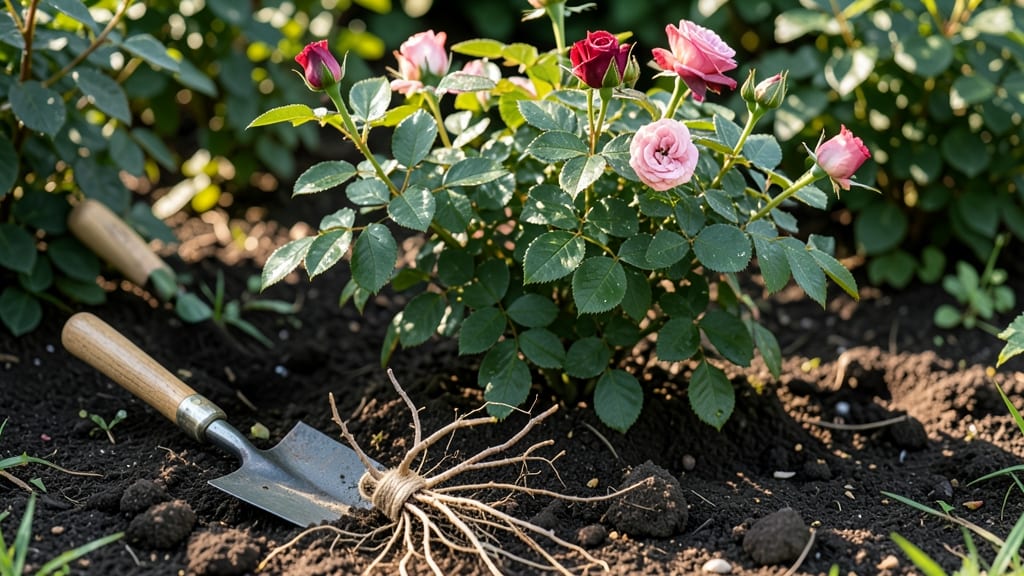
You can plant knockout roses in fall, and it's actually the best time in most regions. Cooler temperatures help roots establish before winter dormancy, while avoiding summer heat stress. Aim to plant 6-8 weeks before your area’s first hard frost, typically between September and early November, using well-draining soil and proper spacing for optimal growth.
Fall planting gives knockout roses a head start because the cooler weather reduces transplant shock and encourages strong root development. 🌱 Unlike spring planting, which can expose young plants to drought or extreme heat, fall provides ideal conditions for recovery before winter.
I’ve found that plants established in fall often bloom more vigorously the following season, thanks to their established root systems. Just be sure to choose a spot with at least 6 hours of sunlight and amend the soil with compost to improve drainage and fertility.
For best results, water deeply after planting and apply a 2-3 inch layer of mulch to retain moisture and regulate soil temperature. This method works especially well in USDA zones 3-10, where winter dormancy aligns perfectly with the planting window.
If you’re in a warmer climate, consider planting earlier in the fall to avoid winter rains that can lead to soil erosion or fungal issues.
💡 In This Article
- Why Fall Planting Boosts Knockout Rose Success
- Step-by-Step Fall Rose Planting Checklist
Why fall planting boosts knockout rose success
The secret behind fall planting success lies in how roses respond to temperature shifts. During autumn, soil temperatures stay warm enough (50-65°F) to stimulate root growth while air temperatures cool, reducing the plant's need to focus energy on leaf production.
This creates an ideal balance for establishing a strong root system before winter dormancy begins. In contrast, spring planting often coincides with rapid leaf growth, leaving roots underdeveloped when summer heat arrives.
Another key factor is moisture retention.
Fall's cooler air holds more humidity, and the ground stays damp longer after rainfall, giving young roots access to consistent water without the risk of evaporation seen in summer. 🌧️ This is particularly crucial for knockout roses, which are prone to wilting when their roots can't keep up with water demand.
The combination of adequate moisture and moderate temperatures allows roots to spread 12-18 inches deeper by winter—something spring-planted roses typically can't achieve before summer's heat stress sets in.
Climate zones play a critical role in timing. In USDA zones 3-7, where winters are colder, aim to plant 6-8 weeks before first frost—usually late September to early October. This gives roots time to harden before freezing.
Meanwhile, in zones 8-10, where winters are milder, you can extend planting until November, but avoid planting too late when winter rains might cause soil erosion or fungal issues in poorly drained areas.
One common misconception is that fall planting means roses won't bloom the first year. Actually, many knockout roses planted in fall produce some blooms the following spring, though the main flush comes in summer.
The real advantage is the 20-30% larger root system they develop compared to spring-planted roses, which translates to stronger stems, more flowers, and better disease resistance in subsequent years.
Consider this comparison: A spring-planted rose might develop 6-8 inches of roots by summer, while a fall-planted rose can reach 12-18 inches by winter. This deeper root system gives fall-planted roses a competitive edge by accessing water and nutrients from a larger soil volume, especially during dry summer months.
The science behind this involves a process called "hardening off" naturally. As days shorten in fall, roses gradually reduce leaf growth and redirect energy to roots. This natural adaptation contrasts with spring planting, where rapid leaf growth competes with root development.
The result? Fall-planted roses enter winter with a robust foundation ready to burst into growth when spring arrives.