
Pruning
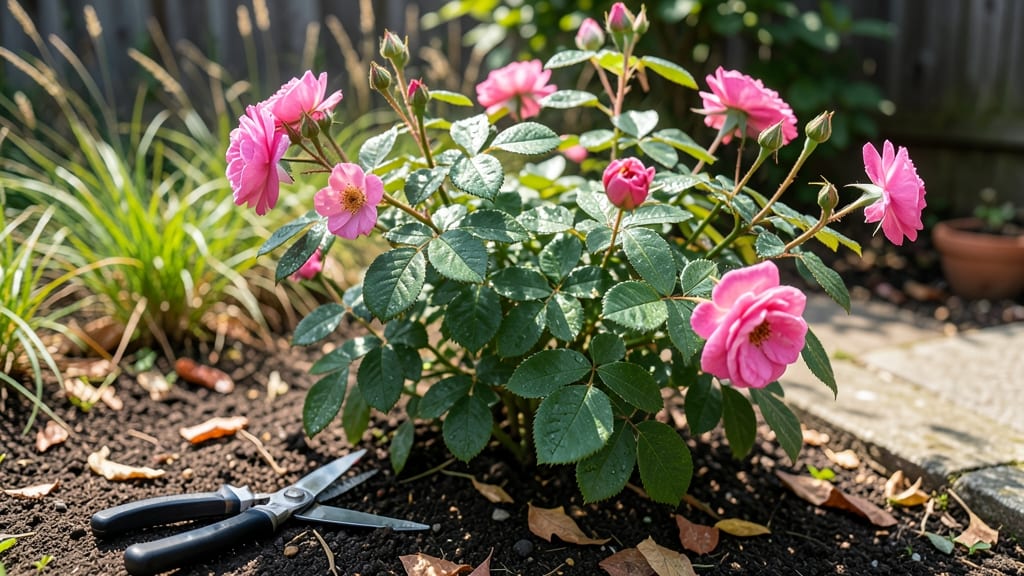
To prune roses in Louisiana, aim for late winter or early spring before new growth starts — a critical window to avoid hurricane damage and encourage vibrant blooms.
Louisiana’s humid climate and hurricane season make rose pruning a critical skill — prune at the wrong time, and you risk losing blooms to storms or disease. But timing it right can strengthen your roses, boost flowering, and even help them survive hurricane winds.
Most 🌹 roses in zones 8a-9b should be pruned between February 15 and early March, just as the first buds swell. This gives them time to harden off before summer storms roll in, while avoiding the late-winter frost risks.
Below, I’ll walk you through the exact steps, tools, and adjustments to keep your roses thriving through Louisiana’s unique growing season — from storm-resistant shaping to post-hurricane recovery.
Best pruning windows for Louisiana roses: avoiding hurricane season mistakes
Louisiana’s humid subtropical climate and hurricane-prone summers demand precise timing when pruning roses. Pruning too early exposes canes to late-winter freezes, while cutting too late leaves roses vulnerable to storm damage or fungal infections.
The key is late winter to early spring—just as buds swell but before new growth bursts forth.
For most Louisiana roses, including hybrid teas and climbing varieties, the ideal pruning window runs from mid-February to early March. This aligns with the last average frost date (around February 15) and ensures roses have time to harden off before hurricane season ramps up in June.
Native Louisiana roses, like the Cherokee Rose (Rosa laevigata), often need lighter pruning—just removing dead wood and shaping—while modern hybrid teas benefit from 1/3 to 1/2 cane reduction. The goal is to encourage thick, sturdy canes that can withstand hurricane-force winds.
Here’s a quick reference for Louisiana’s pruning timeline, tailored to your rose types:
If you prune too early (before February), your roses may sprout tender new growth that gets fried by late-winter freezes. Pruning too late (after March 15) delays flowering and leaves canes weakened for hurricane season.
Think of it as prepping your roses for storm season—like reinforcing a house’s roof before hurricane warnings.
For post-hurricane recovery, wait until September or October to prune. This gives roses time to recover from storm stress and harden off before winter. Focus on removing broken canes and thinning crowded growth to improve air circulation—critical in Louisiana’s humid climate.
Pro tip: Disinfect pruners with rubbing alcohol between cuts to prevent black spot, a common fungal disease in Louisiana’s wet summers. And avoid heavy pruning in summer—it stresses roses and makes them more vulnerable to hurricanes.
Finally, mulch heavily after pruning with 2–3 inches of organic mulch (like pine straw) to retain moisture and regulate soil temperature. This is especially important in Louisiana’s hot, humid summers where roots can overheat without protection.
Timing your pruning correctly isn’t just about beautiful blooms—it’s about survival. When done right, your roses will thrive through hurricane season and reward you with vibrant, healthy growth year after year. 🌹✂️
How to prune Louisiana roses for storm resistance: step-by-step techniques
Pruning your Louisiana roses isn't just about shaping them—it's about preparing them to withstand hurricane-force winds. The right technique strengthens canes, improves airflow circulation, and reduces wind resistance. When done correctly, your roses will bounce back faster after storms and produce healthier blooms all season.
In Louisiana's USDA Zones 8a-9b, the key is timing: prune too early, and you risk frost damage before new growth hardens. Prune too late, and your roses may struggle to recover before hurricane season.
The goal is to create a compact, sturdy structure that can handle 75+ mph winds without snapping.
🌿 Step-by-Step Hurricane-Proof Pruning Guide
- Step 1: Time It Right - Prune in late winter (Feb) after last frost (typically after Feb 15) but before buds swell. This gives canes time to harden before hurricane season.
- Step 2: Remove Dead Wood - Cut out blackened or mushy canes at the base with sterilized pruners. These are entry points for disease in Louisiana's humidity.
- Step 3: Thin the Center - Open the rose's center by removing 1/3 of oldest canes to improve airflow and reduce wind catch. Aim for a bottlebrush shape.
- Step 4: Shorten Long Canes - Trim taller canes to 3-4 feet to lower wind resistance. Make cuts just above an outward-facing bud.
- Step 5: Shape for Wind - Create a rounded top and tapered base to deflect wind. Avoid sharp angles that catch gusts.
- Step 6: Post-Storm Check - After hurricanes, remove broken or diseased canes immediately. Disinfect cuts with copper fungicide to prevent black spot.
- Step 7: Mulch & Fertilize - Apply 2-3 inches of mulch and feed with balanced fertilizer (10-10-10) to encourage recovery.
Start by inspecting each cane for signs of disease like black spots or oozing sap. Louisiana's humidity makes roses particularly vulnerable to powdery mildew and rose rosette virus, so remove infected canes immediately. Use sharp, clean pruners and dip them in rubbing alcohol between cuts to prevent spreading pathogens.
When shaping your roses, focus on creating a pyramidal structure with the widest part at the base. This design helps distribute wind forces evenly and prevents the entire plant from toppling. For climbing roses, prune to encourage lateral branches that can better withstand wind gusts.
After pruning, monitor your roses closely during hurricane season (June-Nov). If you notice yellowing leaves or stunted growth, it may indicate root damage or nutrient deficiency. Apply a slow-release fertilizer and ensure proper watering depth to support recovery.
Remember, the goal isn't just to prune but to strengthen your roses. By following these steps, you'll create plants that not only survive Louisiana's storms but thrive afterward with vibrant blooms and healthier canes.