
Pruning
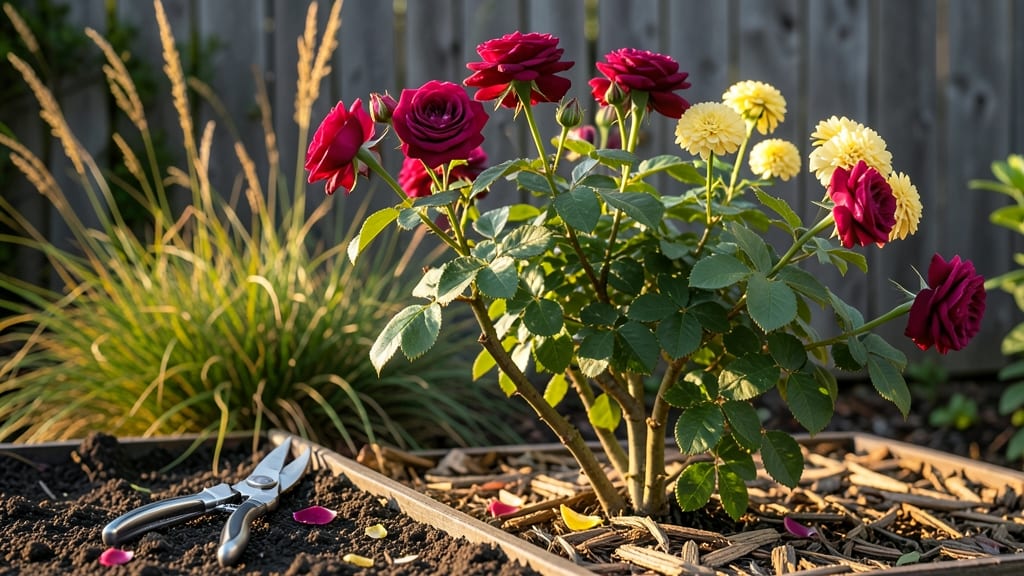
Cutting back roses in Georgia by late February ensures they bloom stronger and survive the heat—right before the last frost window slips away.
Here’s the catch: Georgia’s 7b-8b climate throws curveballs with sudden freezes, and pruning too early can shock your 🌹 into early growth—only for a late frost to nip it back. Too late, and your roses miss their prime blooming window, leaving you with leggy stems and fewer flowers by summer.
The perfect timing is a tightrope walk between dormancy and heat prep, and I’ve cracked the code for Georgia’s microclimates.
Why does late February work? It’s all about dormancy triggers and heat stress. Pruning too soon wakes up the plant before it’s ready, while waiting too long means your roses won’t have enough time to harden off before Georgia’s infamous summer heat arrives.
I’ll walk you through the exact deadlines for hybrid teas, Knock Out roses, and climbers—plus how to spot the signs that your roses are really ready for the shears.
You’ll also discover the 3-step pruning checklist that keeps your roses healthy, how to avoid the most common mistakes (like over-pruning or cutting at the wrong angle), and what to do if you miss the window.
By the end, your roses will be heat-wave-ready and set up for a season of stunning blooms.
Late-February rose pruning deadlines in Georgia’s climate zones
Georgia’s USDA Zones 7a-8b create unique challenges for rose pruning, where late-February timing balances frost risk and heat-wave prep. In Zone 7a (northern GA), wait until February 20-25 to avoid late frosts, while Zone 8b (southern GA) can start as early as February 10-15.
This window ensures roses wake from dormancy but aren’t stressed by early warmth.
Your rose variety also dictates timing: Knock Out roses (repeat bloomers) need pruning 2-3 weeks earlier than hybrid teas (seasonal bloomers). Early pruning for Knock Outs prevents overgrowth before their first flush, while hybrid teas benefit from later cuts to maximize spring blooms.
Check your last frost date (typically March 15 in GA) and prune 4-6 weeks before—this gives canes time to harden before summer’s 90°F+ heat waves. Delaying risks black spot fungus from Georgia’s humidity.
| Georgia Zone | Pruning Window | Key Risks | Best For |
|---|---|---|---|
| 7a (North) | Feb 20-25 | Late frosts (28°F) | Hybrid teas, floribundas |
| 7b (Central) | Feb 15-20 | Mild frosts (25°F) | Climbing roses, grandifloras |
| 8a (South) | Feb 10-15 | Early heat spikes | Knock Outs, shrub roses |
| 8b (Coastal) | Feb 5-10 | Humidity/fungal risk | Disease-resistant varieties |
Use a frost calendar from your local Cooperative Extension office—Atlanta’s Zone 7b often sees 30°F dips in late February, while Savannah’s Zone 8b rarely drops below 35°F. Adjust your timeline if unseasonable warmth arrives early; delay pruning until 3 consecutive days below 50°F.
For Knock Out roses, prune 1/3 of canes in late February, then another 1/3 in March to spread out growth. Hybrid teas should be cut back harder (1/2 of canes) all at once in late February to encourage one massive spring bloom.
Always leave 3-5 strong buds per stem.
Watch for new leaf buds swelling on canes—this signals it’s safe to prune. In Zone 8b, these may appear as early as February 1, while Zone 7a roses often wait until late February. Over-pruning now risks sunburned canes when Georgia’s March sun intensifies.
After pruning, apply a 2-inch mulch layer of pine straw or compost to retain moisture and regulate soil temps. Water deeply once weekly until April 1 to establish roots before summer’s drought stress. Avoid high-nitrogen fertilizers now—they promote leafy growth over blooms.
If you miss the late-February window, prune by March 15 (last frost date), but expect smaller blooms and weaker canes. Delaying further risks fungal pressure from Georgia’s spring rains, which can reduce blooms by 40-60%.
Pro tip: Mark your pruning calendar with 3 key dates—Feb 15 (Zone 8b), Feb 20 (Zone 7b), and Feb 25 (Zone 7a)—and adjust based on your roses’ dormancy progress. A little patience now ensures bigger, healthier blooms by summer! 🌹
Step-by-step late-winter rose pruning checklist for Georgia gardens
Late-February is your golden window for pruning roses in Georgia—when dormant canes are still bare but frost risks have passed. This timing ensures your roses emerge strong, with heat-wave-ready blooms by summer. I’ll walk you through the exact steps, from tools to post-prune care, so your roses thrive without stress.
Before you begin, gather your pruning essentials: sharp bypass pruners, disinfectant (1 part bleach to 9 parts water), rubbing alcohol for tools, and a bucket for clippings. Disinfecting tools between cuts prevents fungal spread like black spot, which loves Georgia’s humidity.
Pro tip: Wear gloves—rose thorns are no joke!
Your Late-Winter Rose Pruning Timeline
- 1 Remove dead/diseased wood first: Snip blackened or mushy canes at the base. These are fungal time bombs—don’t leave them!
- 2 Cut back last year’s blooms: Trim 45° angles above outward-facing buds (5 eyes from the ground for hybrid teas). This opens airflow and shapes your rose.
- 3 Thin crowded canes: Keep 3-5 strongest stems per plant. Remove weak, crossing, or inward-growing canes at the base. This prevents overcrowding and pest hotspots.
- 4 Revive stressed canes: If you see shriveled or brittle canes, soak in room-temperature water + 1 tsp honey for 24 hours. This jumpstarts root regrowth before planting.
- 5 Mulch and water deeply: Apply 3 inches of mulch (pine straw or shredded bark) and water 1 inch per week. This mimics Georgia’s natural rainfall patterns and protects roots.
Watch for over-pruning signs: If your rose has fewer than 3 canes or bare stems below 12 inches, you’ve gone too far. Revive it by trimming back only 1/3 of last year’s growth next time.
Georgia’s heat can stress over-pruned roses, leading to leaf scorch or stunted blooms.
After pruning, fertilize lightly in early March with a balanced 10-10-10 formula. This kickstarts spring growth without overwhelming your rose. Pair it with Epsom salt (1 tbsp per gallon of water) to boost magnesium levels, which Georgia’s clay-heavy soil often lacks.
Monitor your roses for new shoots by mid-March—a sign your pruning paid off! If you spot yellowing leaves or stunted growth, adjust your watering (deep soaks weekly) and check for aphid infestations (spray with soapy water if needed).
With this checklist, your Georgia roses will bloom like crazy by summer! 🌹