
Pruning
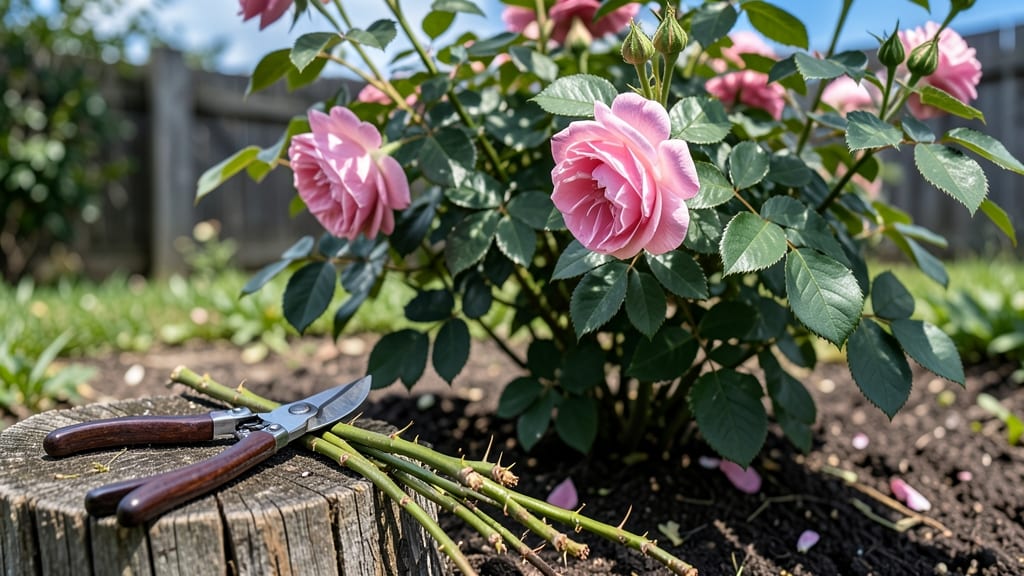
Cut back roses during late winter or early spring before new growth starts — timing and how much you remove make all the difference for vibrant blooms all season.
Pruning roses at the wrong time—or too aggressively—can stunt growth, invite disease, or even kill your prized plants. Timing and technique are everything for vibrant blooms all season.
If you’ve ever watched your 🌹 roses struggle after a harsh winter or fail to bloom like they should, you’re not alone. The key lies in understanding when to prune based on your climate and rose type, whether you’re in USDA Zone 6a or a warmer region.
In this guide, I’ll break down the best times to prune, how much to cut back for different rose varieties, and the common mistakes that leave roses weak or woody. Ready to transform your garden?
Best time to prune roses for maximum growth and blooms
Pruning roses at the right time isn't just about aesthetics—it's about stimulating growth and preventing disease. The best time to prune is during late winter while roses are still dormant but before new growth begins.
This timing ensures your roses enter spring with a strong foundation for vibrant blooms and healthy canes. The science behind it? Pruning in dormancy reduces stress on the plant and allows energy to focus on new shoots rather than maintaining old growth.
Your USDA hardiness zone plays a critical role in timing. In zones 3-6, prune after the last frost date but before buds swell—typically February to early March. Gardeners in zones 7-10 have more flexibility, as milder winters mean you can prune until late winter or early spring.
The key is to avoid pruning when new growth is already visible, as this can damage tender shoots.
Different rose varieties have unique needs. Hybrid teas and grandifloras benefit from aggressive pruning to encourage large, showy blooms, while climbing roses need a gentler touch to maintain their vertical structure. Shrub roses like Knock Out® roses thrive with minimal pruning, focusing on shaping and deadwood removal rather than drastic cuts.
Understanding these differences ensures you're not over-pruning delicate varieties or under-pruning vigorous climbers.
| Rose Type | Best Pruning Time | How Much to Cut | Key Notes |
|---|---|---|---|
| Hybrid Teas | Late winter (Feb-Mar) | 1/2 of old wood | Prune to 3-5 strong buds; encourages large blooms. |
| Climbing Roses | Late winter (Feb-Mar) | 1/3 of old wood | Preserve framework; cut back long stems to 3-4 buds. |
| Shrub Roses | Late winter or early spring | 1/3 of old wood | Focus on shaping; remove deadwood and crossing branches. |
| Floribundas | Late winter (Feb-Mar) | 1/3 of old wood | Prune to 3-5 buds; promotes clusters of blooms. |
| Knock Out® Roses | Late winter or early spring | Minimal (10-20%) | Light pruning; remove deadwood and shape. |
If you live in a mild-winter zone (e.g., USDA zones 8-10), you might notice new growth starting as early as January. In these regions, delay pruning until late winter or early spring to avoid damaging tender shoots.
The goal is to prune just before buds break, which signals the plant to redirect energy into new growth. For cold-climate gardeners (zones 3-6), pruning too early can expose canes to frost damage, so wait until temperatures consistently stay above 40°F.
Timing also affects bloom cycles. Roses that bloom once per year (like David Austin English roses) should be pruned in late winter to encourage spring blooms. Repeat-blooming varieties (such as hybrid teas) benefit from a second pruning in early summer to promote fall blooms.
This two-step approach maximizes your rose's potential but requires careful planning to avoid over-stressing the plant.
One common mistake is pruning in fall or early winter, which leaves canes vulnerable to winter dieback and disease. Another is pruning too late in spring, which can delay blooming.
The 4-6 week rule is a helpful guideline: prune 4-6 weeks before your area's average last frost date to give roses time to recover and establish new growth before summer heat arrives.
For organic gardeners, late-winter pruning is also an opportunity to remove diseased canes and sterilize tools with a 10% bleach solution to prevent black spot and powdery mildew from spreading.
After pruning, apply a layer of mulch around the base to protect roots and retain moisture. This step is especially important in drought-prone areas or regions with hot summers.
Pro tip: Mark your pruning calendar with local frost dates and rose variety needs. For example, if you're growing hybrid teas in zone 5, aim to prune by early March, while climbing roses in zone 9 can wait until late February.
Adjusting for your microclimate—such as urban heat islands or coastal breezes—can further refine your timing for optimal results.
Remember, the health of your roses depends on consistent care, not just pruning. Pair late-winter pruning with spring fertilization (once buds swell) and regular watering to set your roses up for a show-stopping season.
With the right timing and technique, your roses will reward you with lush foliage and abundant blooms from early summer through fall.
How much to cut back roses: pruning rules by rose type
Pruning roses isn't one-size-fits-all—each type demands a different approach to cut back for optimal blooms. Hybrid teas, for example, thrive when cut back by half their height, while climbing roses only need a 1/3 reduction.
Understanding these ratios prevents over-pruning, which stresses plants and invites disease. The key lies in identifying healthy canes (green, flexible stems) versus dead wood (brown, brittle branches).
Start by removing dead or diseased canes first—they’re easy to spot and should be cut back to the base. Next, focus on weak growth (thin, leggy stems) and prune them by 1/3 to 1/2, depending on the rose type.
For shrub roses, aim to shape the plant into an open vase form, ensuring airflow reduces fungal risks like black spot. Always use clean, sharp pruners to make 45-degree cuts just above an outward-facing bud.
Here’s a quick guide to avoid common mistakes:
Pruning Roses: What to Do vs. What to Avoid
✅ DO:
- Cut back hybrid teas by ½ to encourage strong blooms
- Prune climbers by ⅓ to maintain their climbing structure
- Remove dead wood first to prevent disease spread
- Use clean tools to avoid bacterial infections
- Shape shrub roses for airflow and sunlight access
❌ DON'T:
- Over-prune—never cut more than ⅓ of healthy growth
- Leave stubs—always cut just above a bud
- Prune in fall—wait until late winter for best results
- Ignore weak canes—they drain energy from the plant
- Use dull tools—they tear stems and invite disease
For repeat-blooming roses, like Floribundas or Grandifloras, prune in late winter to remove old wood and shape the plant. These varieties bloom on new wood, so aggressive pruning in spring won’t harm them.
In contrast, once-blooming roses (like David Austin English roses) should be pruned lightly in early spring to avoid sacrificing their single flush of blooms.
Pro tip: Label your cuts! If you’re unsure which canes are healthy, make a small mark on weak but live branches with garden paint. Re-evaluate in 6 weeks
This two-step approach minimizes risk while maximizing bloom potential. Always step back after pruning to check for balance—your roses should look open and airy, not crowded. Timing matters just as much as technique. Prune after the last frost in your zone (typically February-March in most of the U.S.) but before new growth starts. In mild climates (Zones 8-10), you can prune as late as early spring, but avoid pruning after June—this can reduce next year’s blooms. For climbing roses, focus on renewal pruning in late winter to encourage long, flexible canes for climbing. Remember, roses reward patience. A well-pruned plant will produce larger, healthier blooms and fewer pests. If you’re unsure, start conservatively—you can always prune more next year. And if you accidentally overdo it? Don’t panic! Roses are resilient. Just fertilize lightly in spring and keep them well-watered to recover. Your effort will pay off with show-stopping blooms by summer. 🌹