
How To
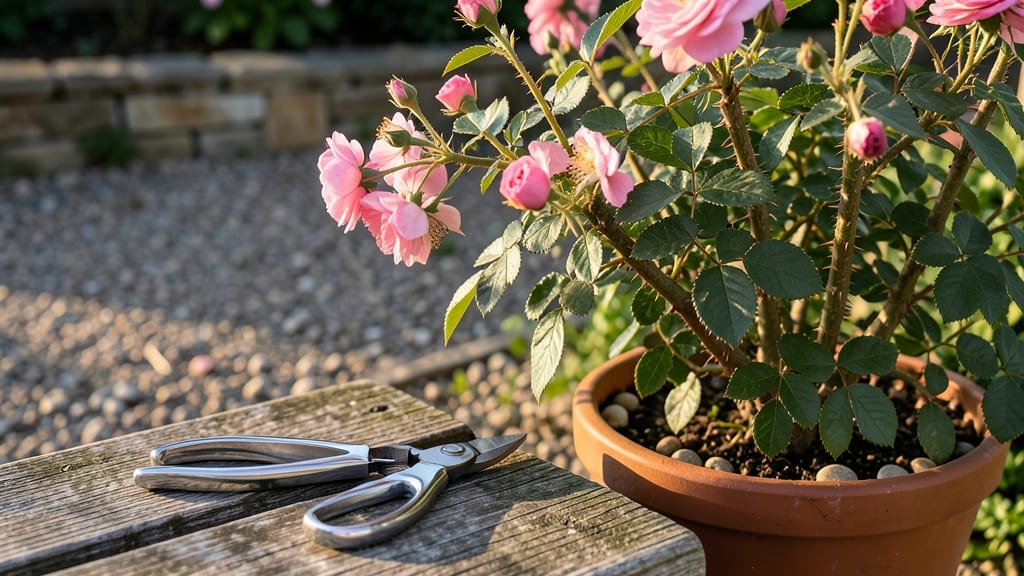
Cutting back drift roses 🌹 at the right late-winter moment is the secret to stronger stems and more blooms next spring — and doing it too early or too late can ruin everything.
Picture this: you’re eager to tidy up your garden, so you grab the shears in February, only to watch your roses sputter through a weak spring. That’s because drift roses need a little more patience than most shrubs.
The key is waiting until after the last hard frost but before new growth starts — a narrow window that changes depending on your zone.
In Zone 6a (like much of the Midwest), that’s typically late February to early March, but warmer climates can wait until March or even April. This guide breaks down the exact timing, plus how to prune like a pro for healthier, bushier roses that bloom like crazy.
You’ll learn how much to trim (spoiler: it’s not as much as you think), how to spot dead wood, and what to do if you’ve already pruned too soon. By the end, your drift roses will be thriving — not just surviving.
Best late winter timing for cutting back drift roses
Timing is everything when it comes to pruning your drift roses. Cutting too early can expose tender growth to late frosts, while waiting too long risks stunting spring blooms.
The ideal late-winter window depends on your USDA zone and local climate patterns, but there are clear visual cues to watch for.
Most gardeners in USDA zones 3-10 should aim to prune between mid-February and early March, but this varies by region. The key is waiting until after the worst winter cold has passed but before new growth begins. This balance ensures your roses enter their growing season strong and healthy.
Here's a climate-specific guide to help you determine the perfect pruning time for your drift roses:
| USDA Zone | Best Pruning Window | Key Visual Cues | Avoid Pruning If... |
|---|---|---|---|
| 3-5 | Late March to early April | No green shoots visible, buds still dormant | Green shoots appear or temps exceed 50°F |
| 6-7 | Mid-February to mid-March | Dormant canes, no swelling buds | Bud swell begins or leaves unfurl |
| 8-9 | January to early February | No leaf buds, canes completely bare | First leaf buds appear or temps stay above 40°F |
| 10 | December to January | Mild winters, prune when fully dormant | Any signs of new growth or warm spells |
Look for these signs of dormancy before pruning: completely bare canes, no leaf buds, and a crisp, hard appearance to the stems. These indicate your drift roses are truly dormant and ready for their late-winter haircut.
In contrast, early growth signs include bud swell, tiny leaf buds, or even the first unfurling leaves—these mean you've waited too long.
In warmer climates (zones 8-10), drift roses may show signs of dormancy earlier, sometimes as early as December. However, avoid pruning if you've had any unseasonably warm spells that might trick the plant into growing.
Always check your local frost dates and aim to prune at least 2-3 weeks before your average last frost date.
One common mistake is pruning based solely on the calendar rather than the plant's condition. Premature pruning exposes tender growth to cold, while delayed pruning can lead to overcrowded canes and fewer blooms.
The goal is to remove dead or diseased wood while maintaining a balanced shape that encourages vigorous new growth.
After pruning, apply a 2-3 inch layer of mulch around the base of your drift roses to protect roots from temperature fluctuations and retain moisture. This is especially important in USDA zones 3-5, where winter temperatures can drop below freezing.
The mulch also helps prevent soil-borne diseases from splashing onto fresh cuts.
For gardeners in transition zones (6-7), pay close attention to nighttime temperatures. If nights remain below 32°F (0°C) after pruning, your roses may still be at risk. In these cases, consider a light frost cloth over newly pruned plants until daytime temperatures consistently stay above freezing.
Remember that drift roses bloom on new wood, meaning their spring flowers come from growth that develops after pruning. By timing your cuts correctly, you're setting the stage for a bountiful bloom season.
With the right approach, your drift roses will reward you with vibrant, continuous blooms from early summer through fall.
Step-by-step drift rose pruning guide for stronger spring growth
Pruning your drift roses correctly transforms them from scraggly shrubs into bushy, bloom-packed powerhouses. The key lies in strategic cuts that remove dead wood while encouraging new growth—without overdoing it.
I’ve pruned my own drift roses for years, and the 20-30% trim rule is what guarantees those lush spring blooms. Let’s break it down step by step.
Before you grab your pruners, focus on identifying dead or diseased branches—these are your first targets. Look for brown, brittle stems or cankers (sunken, discolored spots). These won’t regrow, so remove them completely down to the main stem or bud union.
Next, scan for suckers—those aggressive shoots growing from the base or graft union. These drain energy from your drift roses, so they must go.
How to Prune Drift Roses for Maximum Spring Blooms
-
Step 1: Wait for Dormancy
Prune in late winter (after the last frost but before new growth). In USDA zones 6-9, aim for February-March. -
Step 2: Remove Dead Wood
Cut out dead or diseased branches at the base. Use clean, sharp pruners to avoid tearing. -
Step 3: Trim Back by 20-30%
Reduce the drift rose’s height by one-third to encourage bushier growth. Focus on outward-facing canes for airflow. -
Step 4: Cut at 45-Degree Angles
Make clean cuts just above a bud or leaf node. Angle cuts downward to shed water away from the stem. -
Step 5: Eliminate Suckers
Dig out or prune suckers (shoots from the base) to prevent energy theft from your main plant. -
Step 6: Apply Fungicide (Optional)
Spray pruned cuts with copper fungicide to prevent disease entry during wet springs.
When making your cuts, always aim for a 45-degree angle just above a bud or outward-facing branch. This technique ensures water runs off and new growth emerges in the right direction.
I like to sterilize my pruners with rubbing alcohol between cuts to prevent spreading rose diseases like black spot. Pro tip: If your drift roses are overcrowded, thin them out by removing the thinnest, weakest canes first.
After pruning, give your drift roses a light feeding with balanced fertilizer (10-10-10) to kickstart spring growth. Water deeply but avoid overwatering, which can drown new shoots. Mulch around the base with organic matter to retain moisture and suppress weeds.
By following these steps, you’ll see healthier stems, more blooms, and a neater shape by summer.
Remember, less is more with drift roses. Over-pruning can shock the plant, while under-pruning leads to weak, leggy growth. Stick to the 20-30% trim rule, and your roses will reward you with vibrant, long-lasting blooms all season. Happy pruning!