
Blooming
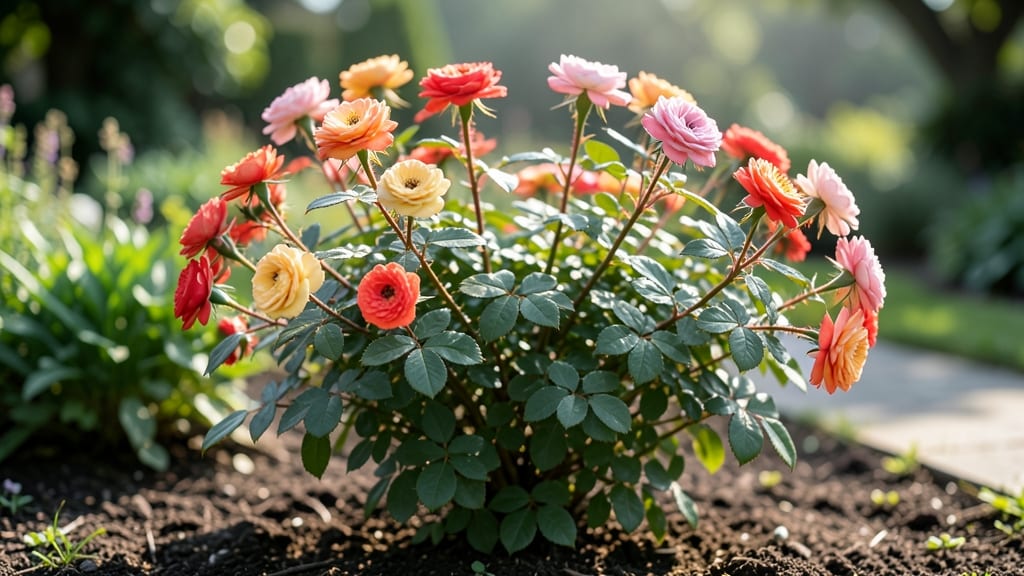
The bloom time of drift roses doesn’t just stop at one burst of color—they deliver a heat-triggered second wave that turns your garden into a cloud of petals. 🌸 I’ve watched mine transform from scattered buds in May to a full-blown display by July, and the secret lies in understanding their natural rhythm.
Most varieties kick off blooms in late spring, but the real magic happens when temperatures climb, rewarding patient gardeners with a second flush of flowers.
The timing isn’t set in stone—it depends on your climate and rose variety. In cooler zones (5-7), expect the first wave around Memorial Day, while warmer regions (8-10) might see early blooms as soon as April.
The key is sunlight: 6+ hours of direct light per day keeps them on schedule, while poor soil or shade can delay blooms by weeks. Prune in late winter to encourage strong stems, and feed with a balanced fertilizer when buds form.
What you’ll end up with is a garden that stays vibrant for 60 days or more, with some varieties like ‘Drift Rose’ or ‘Knock Out’ producing near-continuous blooms. The fragrance alone—sweet and subtle—makes it worth the wait.
Plan your garden tasks around this cycle: deadhead spent blooms to extend the season, and mulch now to protect roots during the heat that triggers that second wave.
Works for any yard, from city balconies to country estates, as long as you match the variety to your zone. The payoff? A garden that looks like a postcard twice in one season. Here’s how to make it happen without the guesswork.
📚 In This Guide
- What you need
- Instructions
- Tips and common mistakes
- Wrapping up and next steps
What you need
- ● Drift roses (Rosa drift series) – Healthy, established plants (at least 1–2 years old for best results).
- ● Balanced, slow-release fertilizer – 10-10-10 or 14-14-14 NPK ratio (e.g., Miracle-Gro Shake 'n Feed or Osmocote), 2–3 tbsp per plant.
- ● Pruning shears – Sharp, clean, and disinfected with rubbing alcohol to prevent disease.
- ● Watering can or hose with a gentle spray nozzle – For deep, consistent hydration.
- ○ Mulch (optional but recommended) – 2–3 inches of organic mulch (e.g., pine bark, straw, or shredded leaves) to retain moisture and regulate soil temp.
- ○ Thermometer (optional but handy) – A soil thermometer to monitor heat levels (ideal bloom trigger: 75–85°F consistently for 2–3 weeks).
- ● Epsom salt – 1 tbsp per gallon of water (monthly foliar spray for magnesium boost).
- ● Rose-specific bloom booster – Products like Fish emulsion or kelp extract for extra nutrients.
- ● Shade cloth (30–50%) – To protect roses from intense afternoon sun if temps exceed 90°F.
- ● Drip irrigation system – For automated, deep watering (1–1.5 inches per week).
- ● Garden journal – To track bloom triggers, pruning dates, and weather patterns for future success!
How to time drift roses for a heat-triggered second bloom
Here's how I coax a second flush of blooms by understanding heat cues—no fancy tricks, just smart timing.
🌱 Step 1: Prune After First Bloom to Reset Growth
Once your Drift Roses finish their first flush, cut back stems to just above a leaf node with 5 healthy buds. I use clean, sharp pruners to avoid tearing stems—this prevents disease while encouraging new growth. The goal is to remove about one-third of the plant's height, but don't go overboard. You'll see fresh green shoots emerge within 2-3 weeks if the weather cooperates.
This is the moment that matters: pruning too late in the season (after July 15) sends mixed signals to the plant, and it may not rebloom. If your roses are already leggy, prune lightly—just enough to shape them without shocking the system. Watch for new growth at the base of stems; that's your confirmation the plant is ready for the next phase.
☀️ Step 2: Monitor Heat and Water for Trigger Conditions
Drift Roses need consistent daytime temperatures above 75°F for 2-3 weeks to initiate a second bloom cycle. I check my local heat forecast and water deeply when soil feels dry to 2 inches down—this keeps roots active but prevents stress. Mulch with 2-3 inches of organic material to retain moisture and regulate soil temperature.
Here's the thing—if your area hits a heatwave followed by sudden rain, blooms may still form but drop off. To prevent this, I avoid overhead watering once buds appear. Instead, water at the base in the morning so foliage stays dry and blooms last longer. You'll notice buds forming in 4-6 weeks after pruning, but only if the heat stays consistent.
✂️ Step 3: Deadhead and Fertilize for Extended Blooms
As buds open, I remove spent blooms by cutting just above the next set of leaves. This redirects the plant's energy into new flowers instead of seed production. Use a balanced 10-10-10 fertilizer every 4-6 weeks during the growing season, but cut back to half-strength after mid-August to avoid late-season growth that won't harden off before winter.
Real talk: Over-fertilizing now will give you lush foliage but fewer blooms. I like to mix in a handful of compost around the base too—it feeds the soil slowly and improves texture. Watch for new buds forming at the tips of branches; these are your second-wave blooms, and they'll appear 60 days after pruning if all conditions are met.
🌿 Step 4: Protect Late Blooms from Fall Chill
Once buds form, shield them from early frost by covering plants with a lightweight frost blanket on nights below 50°F. I also remove any remaining mulch to prevent moisture buildup that could rot stems. Drift Roses are hardy, but late blooms are delicate—don't let them freeze before opening.
This is where many gardeners mess up: they stop watering entirely in fall, thinking the plants are dormant. Instead, keep soil evenly moist until the first hard frost. You'll know blooms are ready to enjoy when they fully open in the morning, and you can harvest them for arrangements or simply admire their effortless beauty.
Tips & tricks for perfect drift roses second bloom
Mastering this heat-triggered rebloom takes patience—but these insights will help you avoid common pitfalls and maximize your roses' potential.
Pruning Precision: When cutting back in Step 1, focus on removing stems that have already bloomed completely, not just wilted flowers. Look for stems where the bloom is fully spent and petals have fallen—these are the ones to cut back to that leaf node with 5 buds. I've seen gardeners accidentally prune healthy growth by targeting wrong stems, which delays the 2-3 week regrowth window. Use a small notebook to sketch your plant's structure before pruning; it helps visualize where to cut.
Heat Timing Secret: The critical 75°F threshold in Step 2 isn't just about daytime highs—it's about consistent warmth throughout the day. I check my local weather station's hourly readings: if temperatures dip below 70°F for more than 2 hours during daylight, your roses won't trigger the bloom cycle. Consider using a small greenhouse cloche over new growth during cool spells if your forecast shows multiple days below 75°F. This creates a microclimate that maintains the necessary warmth.
Fertilizer Strategy: In Step 3, when you're applying that 10-10-10 fertilizer, split the dose into two applications: give half immediately after pruning, then the second half when you see the first signs of new buds forming. This two-step approach prevents fertilizer burn while ensuring your roses have the nutrients they need during both the growth phase and bud development. I've found that roses fertilized all at once often produce lots of foliage but fewer blooms—they're putting energy into leaves instead of flowers.
Fall Protection: For Step 4's frost protection, I've had the most success with floating row covers rather than heavy frost blankets. These lightweight fabrics let sunlight through while providing up to 4°F of additional protection. Place them before sunset when temperatures drop below 55°F—this gives you an extra buffer before you need to cover. And here's what nobody tells you: remove the covers during the day to let your roses breathe, especially if temperatures rise above 60°F. This prevents moisture buildup that can lead to fungal issues.
Pro Tips for Drift Roses Bloom Time
- Mastering this heat-triggered rebloom takes patience—but these insights will help you avoid common pitfalls and maximize your roses' potential.
- Pruning Precision: When cutting back in Step 1, focus on removing stems that have already bloomed completely, not just wilted flowers.
- Heat Timing Secret: The critical 75°F threshold in Step 2 isn't just about daytime highs—it's about consistent warmth throughout the day.
Frequently asked questions
Got questions about drift roses and their bloom timing?
Here are answers to the most common queries—so you can plan your garden like a pro!
When do drift roses bloom for the first time?
Drift roses typically bloom in early summer (June–July), about 60–90 days after planting. However, their heat-triggered second wave is the real showstopper—expect it in late summer (August–September) when temperatures rise above 85°F (29°C). Cool weather can delay blooms, so plant in a sunny spot with good airflow for consistency.
How long does the second bloom wave last?
The second bloom wave usually lasts 4–8 weeks, depending on your climate. In hotter regions (like zones 8–10), roses may rebloom continuously until frost. In cooler areas, a single late-summer flush is common. Prune spent blooms to encourage longer flowering—just avoid cutting into old wood!
Can I force drift roses to bloom earlier?
While you can’t guarantee an early bloom, you can maximize conditions:
- Plant in full sun (6+ hours/day)—partial shade delays blooming.
- Use well-draining soil (amend with compost) to prevent stress.
- Fertilize with low-nitrogen, high-phosphorus feed (like 5-10-5) in spring to boost flowers.
- Avoid heavy pruning before the first bloom—focus on shaping after blooms fade.
Patience is key—heat triggers the second wave, so don’t rush it!
What should I do if my drift roses aren’t blooming?
No blooms? Check these fixes:
- Underwatering: Roses need 1–1.5 inches of water weekly (drought stress stops flowers).
- Over-fertilizing with nitrogen: Too much leafy growth = fewer blooms. Switch to a bloom booster (like 10-30-20).
- Improper pruning: Cutting too late in the season or removing flower buds can halt blooms.
- Pests/disease: Inspect for aphids, spider mites, or fungal spots (like black spot). Treat early with neem oil or fungicide.
If the issue persists, your rose may need rejuvenation pruning in late winter.
Are drift roses good for cut flowers?
Drift roses are cut-flower superstars—their clusters last 7–10 days in a vase. For the longest stems:
- Harvest in the early morning when buds are just opening.
- Cut at a 45° angle and trim foliage below the waterline.
- Change water every 2 days and add a flower food packet.
Pro tip: Mix drift roses with dahlias or snapdragons for a lush, romantic bouquet!
Wrapping up and next steps
Drift roses are a gardener’s delight, offering a second wave of blooms triggered by heat—often just 60 days after their initial flush. Whether you’re a seasoned gardener or a curious beginner, understanding their bloom cycles helps you maximize beauty and productivity. 🌸
Ready to embrace this heat-loving wonder? Start by selecting the right variety, preparing your soil, and keeping an eye on temperature shifts. Plant now, and enjoy the magic of drift roses blooming twice as hard!