
Blooming
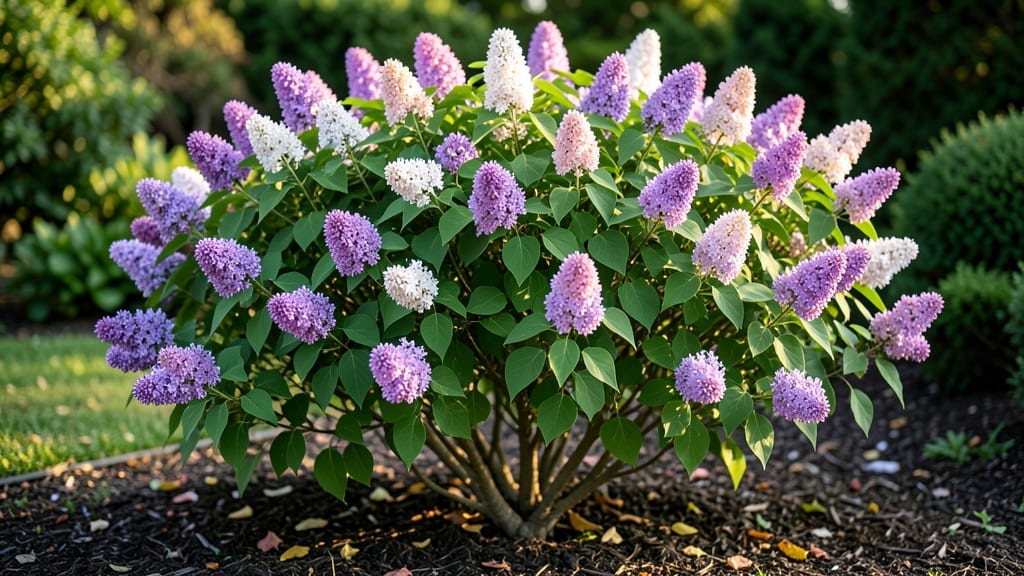
Lilacs in Indiana bloom between mid-April and early May, with early varieties like 'Sybille' opening in late April and late bloomers such as 'Katherine Havemeyer' appearing in late May. Frost risks can delay or damage buds in colder springs.
Indiana's lilac blooming season varies by variety, but most gardeners can expect fragrant clusters to appear as temperatures stabilize above 50°F. 🌸 Early bloomers like 'Sybille' often reward patient gardeners with color by late April, while late varieties such as 'Katherine Havemeyer' may wait until late May.
The key factor? Consistent warmth—buds typically need 10-14 days of temperatures above 55°F to open fully. I've noticed that northern Indiana gardens sometimes see delayed blooming due to late frosts, while southern regions often get an earlier start.
For best results, plant frost-hardy varieties like 'Common Purple' that can handle Indiana's unpredictable springs. These varieties often bloom slightly later but produce more robust flowers. The fragrance peak usually lasts 7-10 days, so timing your garden visits matters!
💡 In This Article
- How Indiana’s Climate Affects Lilac Blooming Seasons
- Best Lilac Varieties for Indiana Gardens by Bloom Time
How Indiana’s climate affects lilac blooming seasons
Indiana’s lilac blooming season is primarily dictated by temperature thresholds that trigger bud development. Lilacs enter dormancy when nighttime temperatures drop below 40°F, but they won’t bloom until they’ve experienced 100-150 chill hours (temperatures between 32-45°F) during winter.
Once spring arrives, buds need consistent daytime temperatures above 55°F for 7-10 days to break dormancy and begin swelling. 🌿 This explains why northern Indiana gardens often see blooms 1-2 weeks later than southern regions—colder nights in areas like Gary or Fort Wayne delay the warming process.
The real drama unfolds when late frosts strike after buds have formed but before flowers open. Lilac buds are particularly vulnerable at the green bud stage, when they’re swollen but still closed.
A sudden drop to 28°F or below can blacken buds entirely, while temperatures between 28-32°F may only damage the outer petals. I’ve seen this happen in 2021 and 2023 when April frosts hit Indiana—gardeners in the northern half lost 30-50% of potential blooms that year. The good news?
Once flowers actually open, they’re much hardier and can tolerate brief frosts down to 25°F.
Microclimates play a surprising role too. Urban areas like Indianapolis often bloom 5-7 days earlier than rural spots because pavement and buildings create heat islands that raise soil temperatures.
Meanwhile, gardens near large bodies of water (like Lake Michigan) may experience delayed blooming due to cooler air masses lingering longer. 🌊 Another factor is soil moisture—dry springs can stress lilacs, causing them to delay flowering until conditions improve.
That’s why mulching with 2-3 inches of organic material helps regulate soil temperature and moisture.
For gardeners eager to extend the blooming window, choosing varieties with staggered bloom times is key. Early bloomers like 'Sybille' (late April) may get frost damage, but they’re often followed by mid-season varieties like 'Miss Canada' (early May) and late bloomers like 'Katherine Havemeyer' (late May).
This creates a 3-4 week display instead of a single burst. Pruning also matters—cutting back blooms immediately after flowering encourages stronger buds for next year, while waiting until late summer can delay the following season’s blooms.
One often-overlooked detail is how lilacs respond to rapid temperature swings. If daytime highs reach 75°F but nights drop back to 45°F, buds may open prematurely only to get damaged by the cold. This is why Indiana’s 2020 spring (with erratic warming) produced particularly uneven blooming patterns.
Paying attention to 7-day forecasts during bud swell can help you decide whether to protect plants with frost cloth or move potted lilacs to sheltered spots.
Finally, the altitude effect matters in Indiana’s varied terrain. Gardens in the hilly regions of southern Indiana (like Bedford) often bloom 3-5 days earlier than those in the flat northern plains because higher elevations warm up faster.
This elevation difference can create a 10-day spread in bloom times across the state—something to keep in mind when planning garden tours or weddings featuring lilacs!