
Blooming
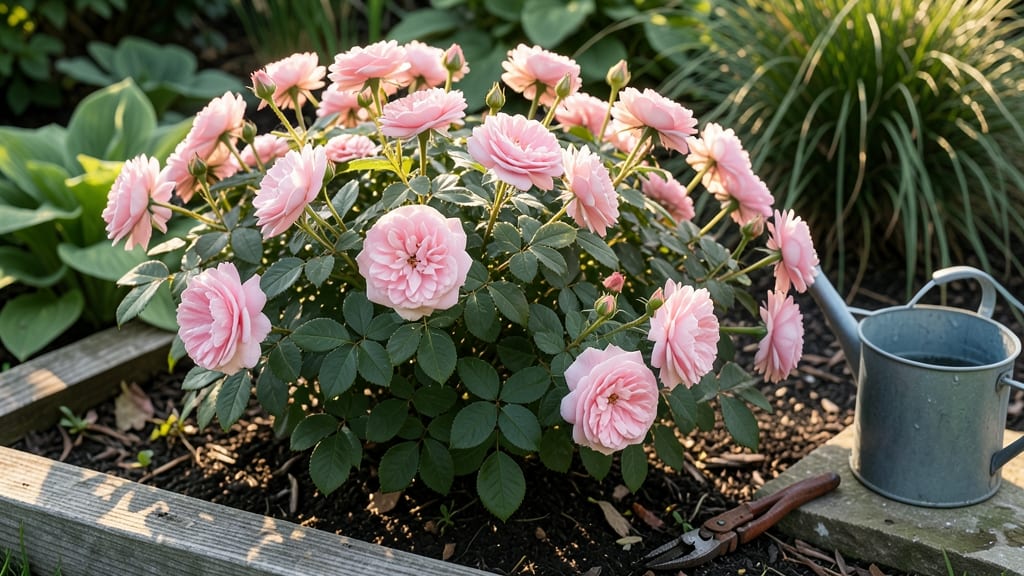
Drift roses bloom in late spring through summer 🌹, with timing that shifts based on your zone and variety—think May to August for most gardeners.
Picture this: your yard explodes with color just as the hummingbirds return, but only if you plant the right variety for your climate. A Drift Rose Red might burst into bloom two weeks earlier than a Drift Rose Pink, and coastal gardeners often see blooms stretch into September.
Whether you're in Zone 6a or further south, the key to timing is understanding your last frost date and the plant's growth habits. Some varieties even reward you with a second flush of flowers if you prune correctly.
Below, I break down the exact months for popular types, how to adjust for your region, and the one pruning trick that extends blooms by 4-6 weeks—no guesswork required.
Drift Rose bloom seasons by variety: a month-by-month guide
Drift roses are famous for their continuous blooms and vibrant colors, but their exact bloom times depend on the variety and your local climate. Unlike traditional roses, Drift roses bloom repeatedly throughout the season, but some varieties start earlier or later than others.
Understanding these patterns helps you plan your garden for year-round color.
Most Drift roses begin blooming in late spring and continue until first frost, but timing shifts based on the color variety. For example, 'Drift Rose Red' often kicks off the season, while 'Drift Rose White' might linger into fall.
Below, I’ve broken down the month-by-month bloom cycles for the most popular varieties, so you can anticipate when your garden will burst with color.
| Variety | Primary Bloom Period | Peak Months | Visual Cues |
|---|---|---|---|
| Drift Rose Red | Late May - October | June, July, September | Deep red buds open first; blooms earlier than other colors. |
| Drift Rose Pink | Early June - November | July, August, October | Soft pink buds appear mid-season; blooms longest in warm climates. |
| Drift Rose White | Late June - November | August, September | Pure white buds open latest but stay fresh longer in cool weather. |
| Drift Rose Lavender | Early June - October | June, July, September | Lavender buds fade to soft purple; blooms heaviest in heat. |
| Drift Rose Blush | Late May - October | June, August | Blush pink buds resemble peonies; thrives in partial shade. |
The 'Drift Rose Red' variety is often the first to bloom, typically kicking off the season in late May or early June, depending on your USDA hardiness zone.
If you live in Zone 7 or warmer, you might see blooms as early as May, while cooler zones (Zone 5-6) may delay blooms until June. These early bloomers set the stage for a continuous display until frost.
For mid-season bloomers, like 'Drift Rose Pink' and 'Drift Rose Lavender', expect the heaviest flowers in July and August. These varieties often peak in summer heat and can handle drought conditions better than other roses.
If you’re in a coastal climate, their blooms may stretch into early fall thanks to milder temperatures.
Late-season varieties, such as 'Drift Rose White', shine in August and September and are perfect for fall gardens. Their pure white blooms contrast beautifully with autumn foliage, and they often rebloom after pruning in early spring.
In Zone 8-10, these roses may even bloom lightly in winter with proper care.
To identify bloom stages, watch for bud formation on new growth. Early bloomers like 'Drift Rose Red' will show deep red buds first, while late bloomers like 'Drift Rose White' develop tight, pale buds closer to summer’s end.
Pruning spent blooms encourages new growth and extends the season, especially for repeat-blooming varieties.
If you’re planting multiple Drift rose varieties, space them strategically to create a sequential bloom effect. Start with 'Drift Rose Red' in early spring, add 'Drift Rose Pink' for mid-season color, and finish with 'Drift Rose White' for fall.
This layered approach ensures your garden stays vibrant from May to frost.
One pro tip for extending bloom seasons: deadhead regularly and apply a light fertilizer in early summer. This boosts new growth and keeps flowers coming. In warmer climates, you might even see winter blooms if you protect the roots with mulch.
For gardeners
How climate zones affect Drift Rose blooming times: what to expect in your area
If you've ever wondered when do drift roses bloom in your specific area, the answer depends heavily on your USDA hardiness zone. Drift roses thrive in zones 3 through 10, but their bloom timing shifts dramatically from cooler northern climates to warmer southern regions.
For example, gardeners in zone 6a might see early blooms in late May, while those in zone 9a could enjoy flowers as early as March. Understanding these differences helps you plan your garden for maximum impact.
Coastal areas also experience unique bloom patterns due to milder winters and cooler summers. Inland regions, however, often see earlier spring blooms followed by summer heat stress.
For instance, San Diego (zone 10a) might have year-round blooms with peak seasons in spring and fall, while Chicago (zone 5b) typically sees a concentrated bloom period from June to August. These variations make timing everything for a vibrant garden.
In cooler zones (3-5), drift roses often wait until late May or June to bloom, as they need consistent warmth to trigger flowering. However, if you're in zone 6 or higher, you can expect blooms as early as April, with some varieties continuing into fall.
For instance, 'Drift Rose Red' typically blooms 2-3 weeks earlier in zone 7 compared to zone 5. This shift is due to longer growing seasons and warmer winters in southern regions.
To extend the blooming season in colder climates, consider planting heat-tolerant varieties like 'Drift Rose Pink' or 'Drift Rose White', which handle summer heat better. In warmer zones, provide afternoon shade during peak summer months to prevent heat stress.
Mulching with organic matter also helps regulate soil temperature, encouraging longer bloom periods. For example, adding 3-4 inches of mulch can keep roots 5-10°F cooler in hot climates, promoting healthier blooms.
If you live near the coast, expect earlier and longer blooms due to milder winters. Coastal areas in zone 8-9 often see spring blooms as early as February, while inland zones may wait until April. The ocean's moderating effect on temperature creates a more stable environment for roses.
For inland gardeners, watering deeply once a week during dry spells can help compensate for the lack of coastal humidity, ensuring your drift roses stay vibrant.
Monitor your local last frost date to time plantings for optimal blooms. In zone 6, planting in early spring (March-April) ensures blooms by June, while in zone 10, you can plant year-round and enjoy near-continuous blooms.
Adjusting your care routine—like pruning in late winter—can also shift bloom times slightly. For example, a light pruning in early spring encourages earlier flowers, while a harder prune in late winter delays blooms until summer.
By understanding your climate zone and making small adjustments, you can enjoy stunning drift rose blooms for months at a time.