
Blooming
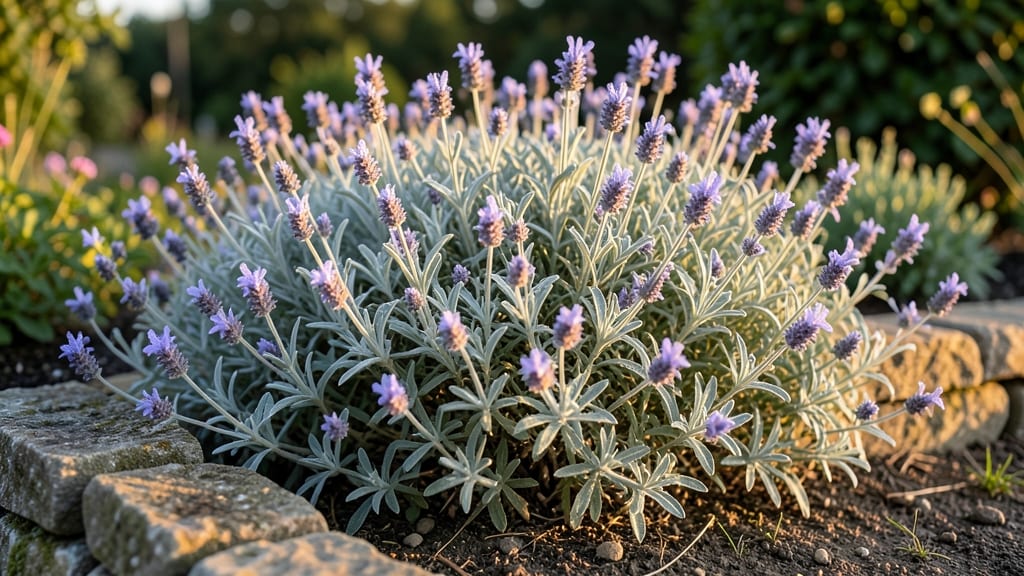
Late summer gardens often fade into brown—but these 10 drought-tolerant perennials defy the trend with vibrant blooms that thrive when others wilt. Perfect for busy gardeners, they require minimal water and care while extending your seasonal color show.
Russian Sage Thrives in Heat
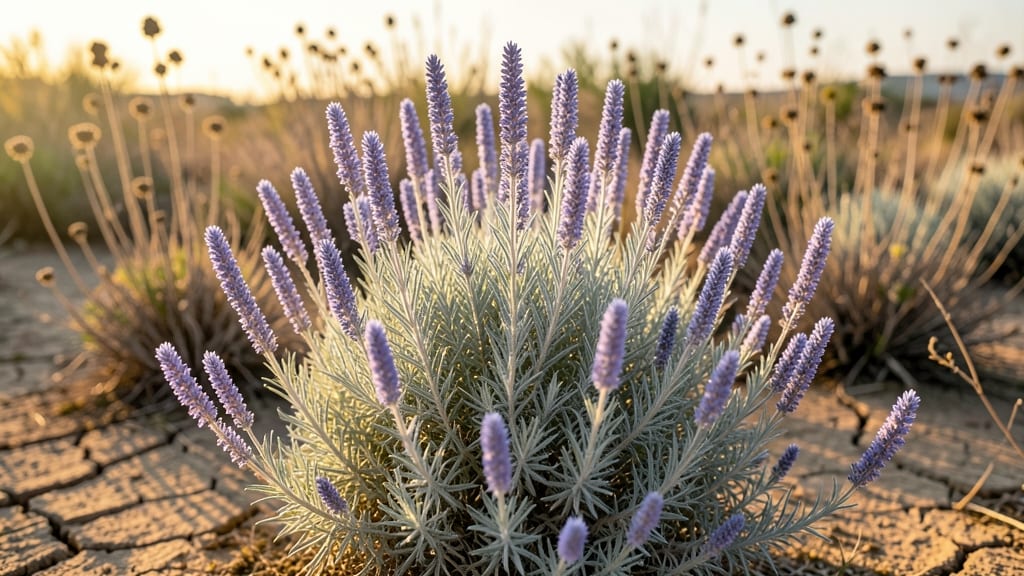
When your garden seems to wilt under the late summer heat, Russian sage (Perovskia atriplicifolia) stands tall with its airy lavender-blue flower spikes and silvery foliage. This drought-resistant superstar blooms from mid-summer through fall, turning dry beds into pollinator magnets without a single drop of extra water.
Once established, Russian sage thrives on neglect—plant it in full sun with well-drained soil and forget about summer watering. Its aromatic foliage deters pests while attracting bees, butterflies, and hummingbirds. For best results, prune back by one-third in early spring to encourage bushier growth and more abundant blooms.
Perfect for xeric landscapes, rock gardens, or as a backdrop for borders, Russian sage brings effortless elegance to low-water designs. Gardeners in USDA zones 5-9 will love its resilience and long-lasting color. 🌟
Black-Eyed Susan Adds Cheerful Yellow
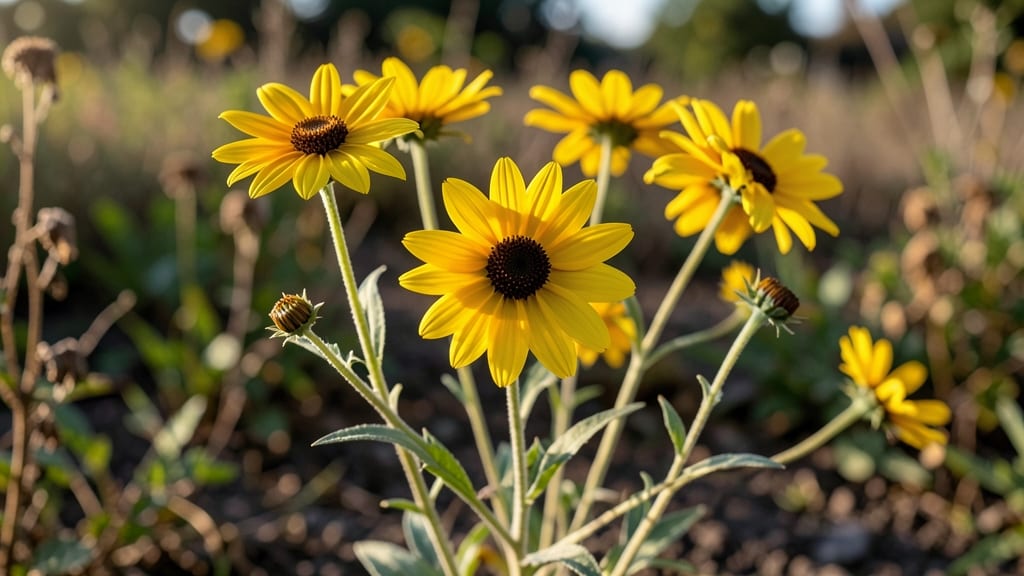
When your garden starts looking tired in late summer, Black-Eyed Susan steps in to save the day with its cheerful bright yellow blooms that last from July straight through frost. This native wildflower thrives in conditions where other plants struggle, making it a true low-maintenance superstar.
Plant it in full sun and even poor, rocky soil—it doesn’t care about fertility. The real magic? It self-seeds effortlessly, creating natural drifts of color year after year. Bees and butterflies adore its nectar-rich flowers, making it a pollinator magnet that requires no extra work from you.
Perfect for beginner gardeners or anyone wanting a no-fuss, long-lasting addition, Black-Eyed Susan turns neglected corners into vibrant pollinator havens. 🌻
Coneflower Provides Pollinator Paradise
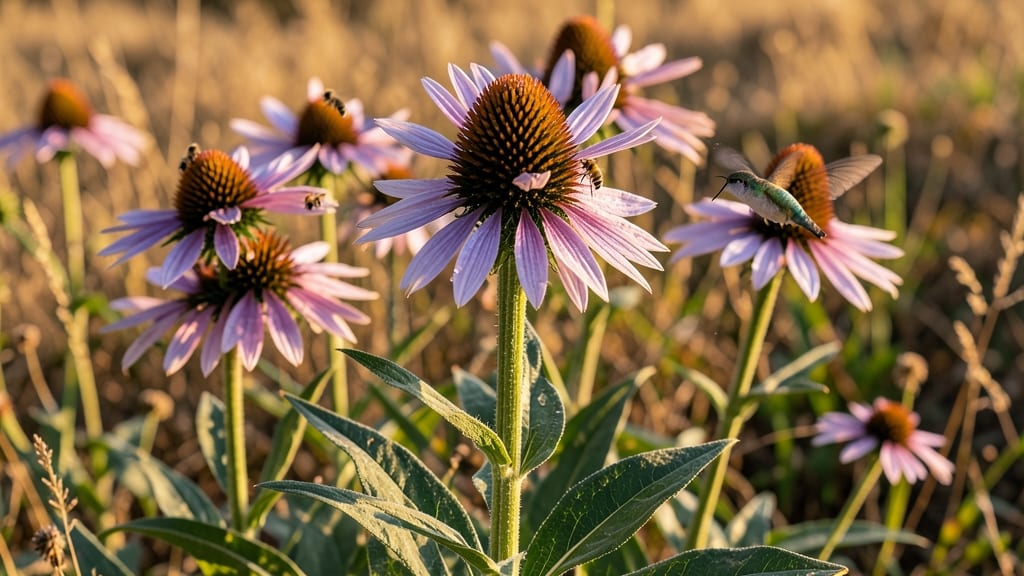
When your garden needs a late-summer lifeline, coneflower delivers with its bold, daisy-like blooms that thrive when others fade. This drought-resistant perennial attracts bees, butterflies, and hummingbirds with its nectar-rich flowers, making it a pollinator magnet.
Choose from purple, pink, or white varieties like 'Magnus' or 'White Swan'—all of which bloom from July through October with minimal care. Plant in full sun with well-drained soil, and water sparingly after establishment. Deadheading spent blooms encourages more flowers, while the central cone** provides winter interest.
Perfect for beginners and busy gardeners, coneflower's low-maintenance nature and long bloom season make it a must-have for extending seasonal color. 🌻
Blanket Flower Offers Bold Orange
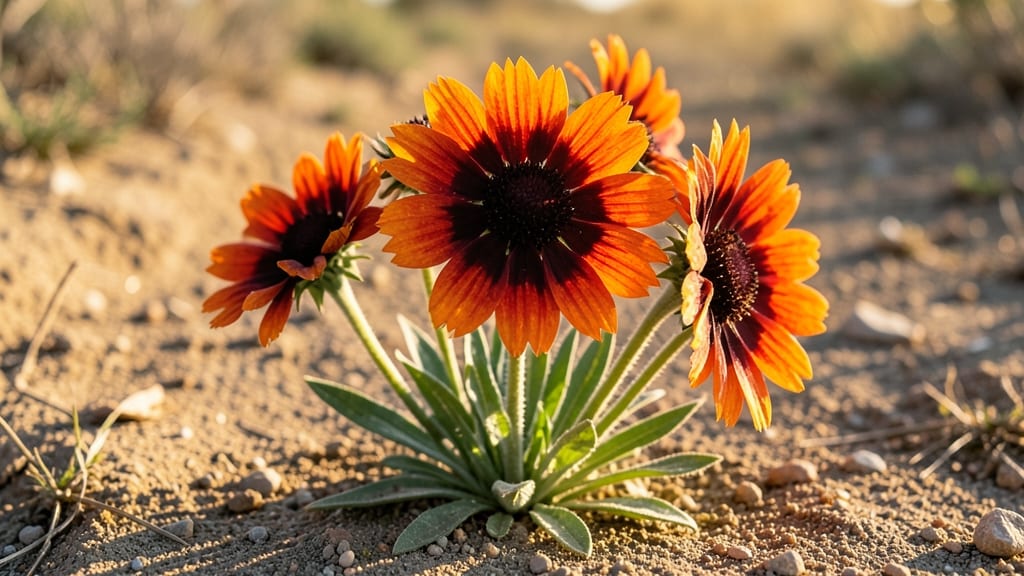
When your garden needs a bold pop of color that refuses to quit, turn to blanket flower (Gaillardia). This heat-loving perennial delivers fiery orange blooms from late summer straight through frost, making it a standout late-season performer.
Unlike fussy perennials, blanket flower thrives in sandy, well-drained soil and only needs occasional watering after its first year. Plant it in full sun for maximum blooms, and watch it attract butterflies while repelling deer. Its drought tolerance makes it ideal for water-wise gardens.
Perfect for sunny borders, wildflower meadows, or even container gardens, this low-maintenance stunner ensures your late-summer garden stays vibrant until winter's chill. 🌻
Lavender Delights with Fragrant Purple
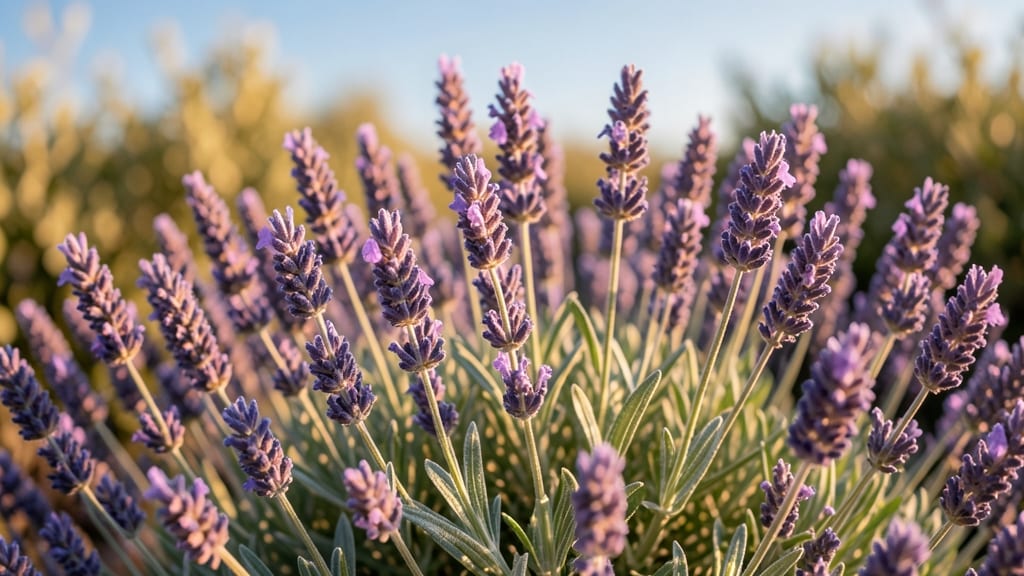
Looking for a plant that doubles as a fragrant air freshener and pest repellent? Lavender is your late-summer superstar, thriving when many perennials start to wilt in the heat. This Mediterranean native not only blooms in purple hues from July through September but also releases its signature calming scent when brushed—ideal for borders, pathways, or containers.
Plant lavender in full sun (6+ hours daily) with well-drained soil to prevent root rot, and water sparingly once established—it’s drought-tolerant once its roots take hold. The compact shrubs deter pests like mosquitoes and rabbits naturally, making them perfect for organic gardens. Prune lightly after blooming to encourage bushier growth next season.
Urban gardeners and beginners will love lavender’s low-maintenance nature—just avoid heavy, clay soil. Add it to your late-summer garden for color, scent, and pest control without the fuss! ✨
Sedum 'Autumn Joy' Creates Fall Foliage
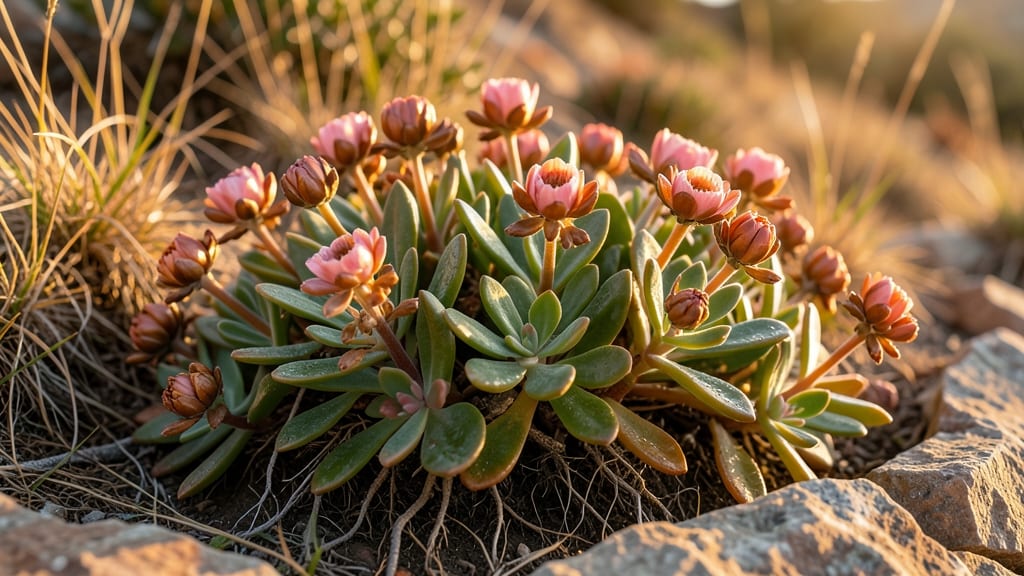
Sedum 'Autumn Joy' is the unsung hero of late-summer gardens—it stores water in its plump, succulent-like leaves and blooms later than most, turning pink flowers into fiery copper by fall. This drought-tolerant perennial thrives where others struggle, making it ideal for rocky slopes, containers, or dry borders.
Plant it in full sun with well-drained soil, and water sparingly once established. The blooms attract bees and butterflies while providing long-lasting color, and its year-round interest includes winter foliage that turns papery brown. Deadhead spent flowers in early fall to encourage new growth.
Perfect for beginners or low-water gardens, Sedum 'Autumn Joy' delivers drama with almost no effort. 🌟
Bee Balm Attracts Hummingbirds
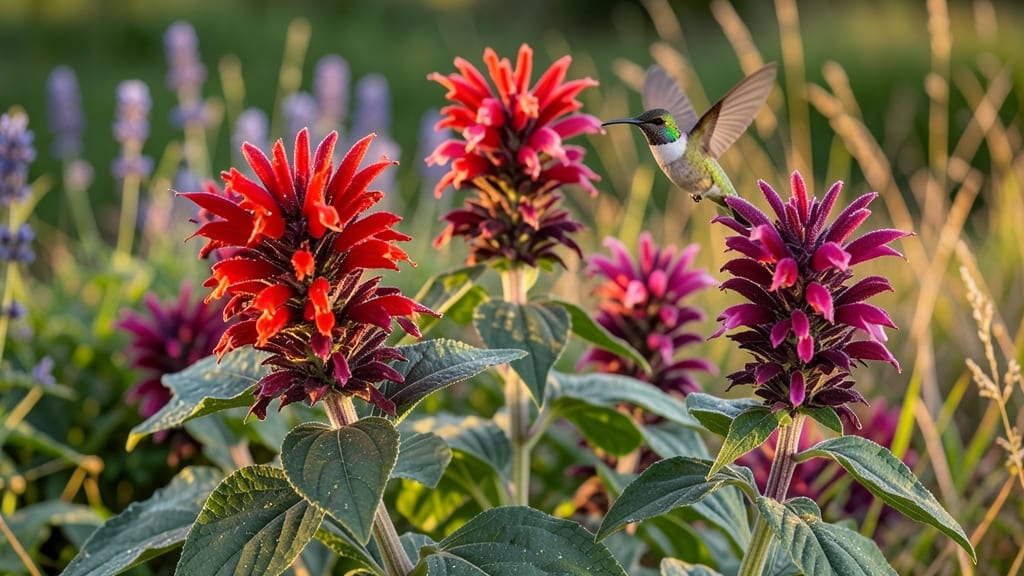
If you want to turn your garden into a hummingbird hotspot, bee balm (Monarda) is the secret weapon you’ve been missing. This late-summer superstar produces vibrant tubular blooms in fiery red, soft pink, or deep purple—colors that hummingbirds can’t resist. Unlike sun-loving perennials, bee balm thrives in partial shade, making it perfect for woodland edges or understory plantings.
Plant it in moist but well-drained soil (it won’t tolerate soggy roots) and watch as these 2–4 foot tall clumps become a magnet for pollinators. For extra blooms, deadhead spent flowers in early fall, but leave some seed heads for winter interest. Bonus: Bee balm’s mint family relatives also repel pests like aphids and Japanese beetles, giving you double duty in one plant.
This is the ideal choice for gardeners with shady spots who still crave color—whether you’re filling a cottage garden, lining a pathway, or creating a pollinator-friendly retreat. 💚
Salvia 'May Night' Pops with Purple Spikes
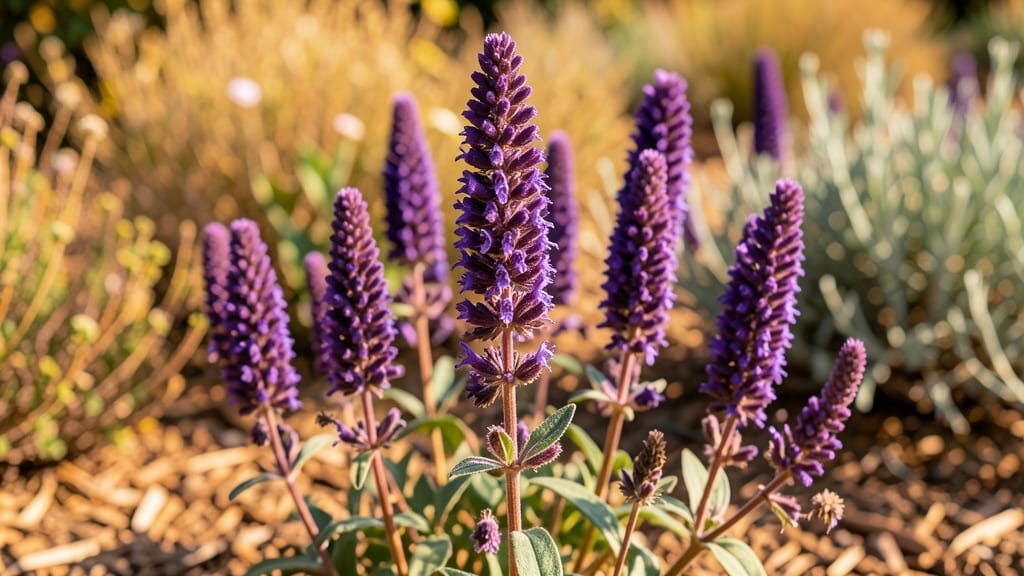
When your garden needs a dramatic late-summer splash, Salvia 'May Night' delivers velvety purple flower spikes that stand tall for weeks without fuss. Unlike other perennials that wilt in heat, this drought-resistant beauty thrives in dry conditions while repelling deer—making it a low-maintenance star for cutting gardens.
Plant it in full sun with well-drained soil, and you’ll get 6-foot-tall spikes that bloom from mid-summer to frost. The deep purple blooms hold up perfectly in vases, and their long-lasting nature means fewer deadheading chores. For best results, space plants 18-24 inches apart to prevent overcrowding.
This is the ideal choice for gardeners who want bold color with minimal effort—whether you’re filling a border, creating bouquets, or simply adding height to your beds. 🌷
Goldenrod Brightens Late Season
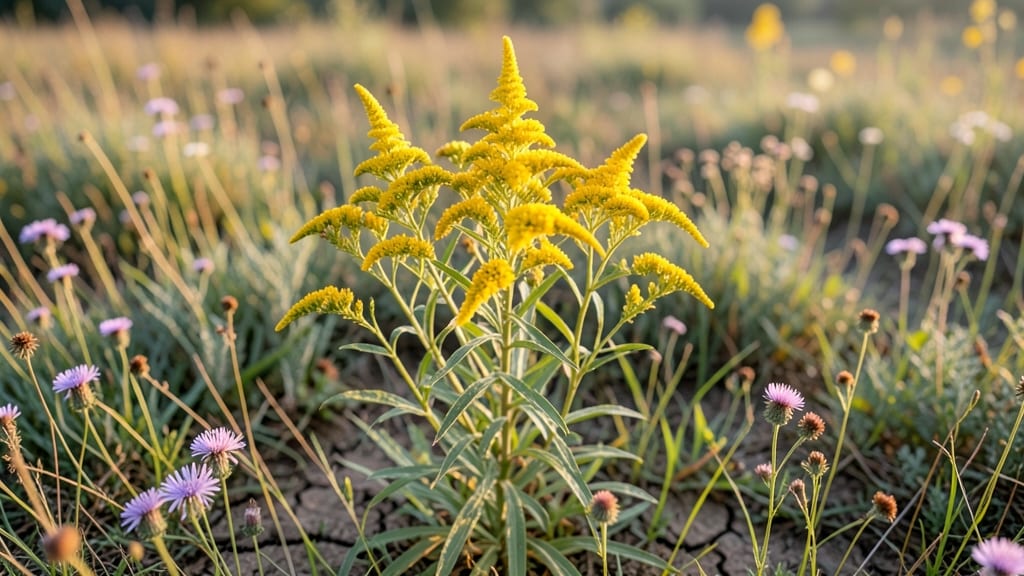
When other perennials start fading by late summer, goldenrod steps in with its cheerful golden plumes that bloom from August through September. This native wildflower thrives in the heat and poor soil that many other plants avoid, making it a standout for low-maintenance gardens.
Beyond its bright color, goldenrod is a pollinator powerhouse, especially for monarch butterflies, which rely on its nectar during their migration. It also resists deer and rabbits, so you won’t need to worry about hungry critters nibbling it back. Plant it in full sun with minimal watering—it’s perfectly happy in dry, rocky, or sandy soil.
This hardy wildflower is ideal for beginner gardeners and those with challenging growing conditions. Just let it self-seed naturally for a wildflower meadow that keeps blooming year after year. 🌻
Catmint Repels Pests Naturally

Tired of mosquitoes ruining your outdoor evenings? Catmint isn’t just a pretty face—it’s a natural pest repellent with silver-blue foliage and fragrant lavender blooms that keep biting insects and hungry rabbits away. This late-summer bloomer thrives in full sun and needs almost no water once established.
Plant it in well-drained soil and watch it spread slowly into a lush ground cover that stays vibrant until frost. The drought-tolerant nature makes it ideal for xeriscaping or filling gaps in borders where other plants struggle. Plus, its airy blooms attract pollinators like butterflies while keeping pests at bay.
Perfect for urban gardens, cottage-style beds, or even containers, catmint gives you year-round pest control with minimal effort. 🌿