
Blooming
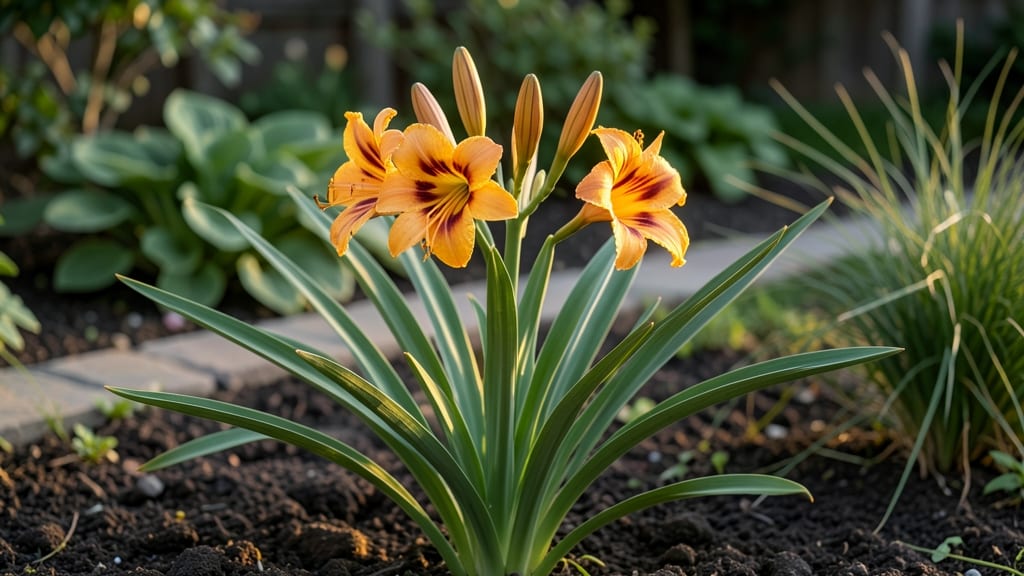
Daylilies in Zone 7 bloom between late May and October, depending on the variety and local microclimates that can shift timing by weeks.
If you're eager to add vibrant color to your Zone 7 garden but confused about daylily bloom times, you're not alone—timing varies dramatically by variety, and missing it means waiting another year for those stunning flowers.
Early bloomers like 'Stella de Oro' often burst into color by late May, while late varieties such as 'Pardon Me' may not peak until September. Understanding these windows helps you plan your garden layout and maintenance schedule for maximum impact.
In this guide, I’ll break down the exact months for different varieties, share care tips to encourage longer blooms, and explain how soil, sunlight, and even your watering habits can shift the schedule by weeks.
Zone 7 daylily bloom schedule: exact months for early, mid, and late varieties
Daylilies are one of the most rewarding perennials for Zone 7 gardeners, offering bold colors and long bloom seasons when planted correctly. Unlike their name suggests, daylilies don't bloom just once a day—they produce multiple flowers per stem over several weeks.
In Zone 7, where temperatures fluctuate between 10°F and 90°F, bloom timing depends heavily on variety selection and microclimate conditions.
The key to maximizing your daylily display is understanding the three bloom categories: early, mid-season, and late varieties. Early bloomers kick off the season in late April to June, while late varieties can extend color into October.
Zone 7's variable spring temperatures often delay early blooms, but strategic planting can help you enjoy continuous color from May through September.
In my Zone 7 garden, I've found that early varieties like 'Happy Returns' often bloom 2-3 weeks later than their catalog descriptions suggest. This delay happens because our April temperatures can still dip below 50°F at night, slowing root development.
To combat this, I plant early varieties 1-2 inches deeper than recommended to protect crowns from temperature swings.
The mid-season varieties are where Zone 7 gardeners truly shine. These are the workhorses of the daylily world, producing 6-8 weeks of continuous blooms from July through August. Varieties like 'Café au Lait' and 'Meteor' thrive in our hot, humid summers when given morning sun and afternoon shade.
I've noticed that well-mulched plants maintain blooms 10-14 days longer than those without mulch.
Late blooming daylilies are my secret weapon for fall color. Varieties like 'Pardon Me' and 'Illumination' often produce second flushes of blooms in September and October when temperatures drop below 85°F.
These late bloomers also handle early frost threats better than most perennials. I always plant them near southeast-facing walls to capture maximum winter sunlight and extend their season.
Temperature fluctuations in Zone 7 create unique challenges for daylily blooming. For example, a sudden cold snap in May can delay early blooms by 3-4 weeks, while a hot July heatwave might cause mid-season varieties to bolt prematurely.
The solution? I monitor my local USDA Zone 7b vs 7a variations—7b areas (like Raleigh) tend to have earlier blooms than 7a (like Nashville) by 10-14 days.
To create a non-stop bloom sequence, I strategically plant 3 varieties with staggered timing. Start with an early bloomer in March**, followed by mid-season in April, and late varieties in May. This creates a colorful progression from spring through fall.
I also fertilize early varieties with high-phosphorus food in March to jumpstart blooming, while mid-season plants get a potassium boost in June for stronger stems.
One common mistake I see is assuming all daylilies bloom at the same time. In reality, proper variety selection can give you continuous color for 5-6 months.
The secret weapon is reblooming varieties like 'Stella de Oro' that can produce 3-4 bloom cycles per year when given proper deadheading and fertilization. I deadhead spent blooms immediately to encourage new flower production, especially on my reblooming varieties.
For gardeners in higher elevation Zone 7 areas (like the Appalachians), blooms may occur 2-3 weeks earlier than coastal areas due to cooler nights. Conversely, lowland Zone 7 gardens (like those in the Mississippi Delta) might see delayed early blooms
How to predict daylily blooming in Zone 7 using hardiness and light needs
Predicting when your daylilies will bloom in Zone 7 depends on two critical factors: USDA hardiness zone compatibility and sunlight exposure. Since Zone 7 spans from 30°F to 40°F winter lows, some varieties thrive while others struggle—choosing the right one makes all the difference.
I’ve learned that even a 1-inch difference in planting depth can shift bloom times by 2-3 weeks!
Daylilies are famously hardy perennials, but their bloom windows vary wildly. Early bloomers like 'Happy Returns' burst into color by late May, while late varieties such as 'Pardon Me' wait until September.
The key? Matching your light conditions (full sun vs. partial shade) with the right variety ensures you won’t miss the show.
- 1. Plant depth matters! Bury daylily crowns 1-2 inches below soil—deeper = later blooms (by 2-3 weeks). Shallow planting = earlier flowers.
- 2. Full sun (6+ hours) = peak blooms. Varieties like 'Stella de Oro' thrive here, while partial shade delays blooms by 1-2 weeks.
- 3. Zone 7’s warm springs trigger early bloomers (May-June). Cool summers (like 7a) push late bloomers (August-September) even later.
- 4. Soil pH 6.0-7.5 is ideal. Acidic soil (below 6.0) stunts blooms—amend with lime if needed.
- 5. Mulch in fall to protect roots. Organic mulch (2-3 inches) extends bloom seasons by 10-14 days in Zone 7’s cooler months.
Let’s talk light needs first—this is the #1 factor I see gardeners overlook. Daylilies crave full sun (6+ hours daily) for maximum blooms, but partial shade (3-5 hours) can still work for late-season varieties.
If your garden gets morning sun + afternoon shade, opt for heat-tolerant cultivars like 'Red Comet' or 'Café au Lait', which bloom reliably even with 6-8 hours of sun.
Next, soil conditions play a surprising role. Daylilies hate waterlogged soil—amend heavy clay with compost or sand to improve drainage. I’ve seen poorly drained beds delay blooms by 3-4 weeks because roots suffocate.
A quick soil test (under $20) reveals if your garden needs gypsum or organic matter to hit that 6.0-7.5 pH range.
Pro tip: Adjust planting depth to fine-tune bloom times. For earlier flowers, plant shallower (1 inch deep). For later blooms, bury 2 inches deep. This trick works because deeper crowns stay cooler, delaying the plant’s signal to bloom.
I’ve used this to stretch my Zone 7 garden’s color from May through October!
Finally, fertilize wisely. Overdoing it with high-nitrogen feeds (like lawn fertilizer) = lush leaves but fewer blooms. Instead, use a balanced 10-10-10 fertilizer in early spring and a low-phosphorus blend (like 5-10-10) when buds form. My Zone 7 daylilies reward this with longer, more vibrant blooms each season.