
Blooming
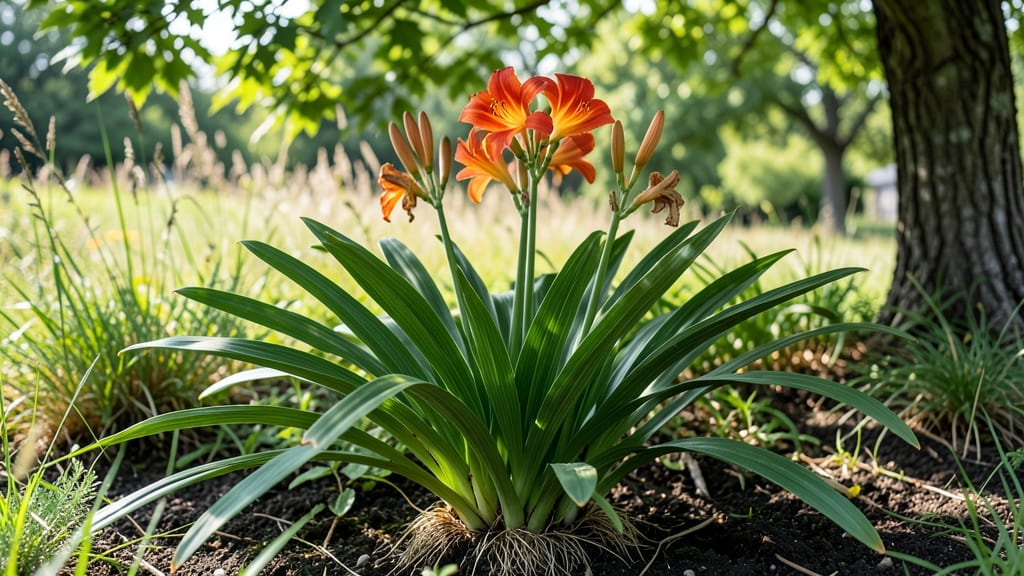
Yes, daylilies bloom more than once per season when properly deadheaded, producing multiple flushes of vibrant flowers over weeks or months. Their unique flower stems regrow from the base after cutting spent blooms, encouraging reblooming for a longer display.
Daylilies are famous for their resilience, and their ability to rebloom stems from their perennial growth habit.
Unlike annuals, these hardy plants store energy in their rhizomes, allowing them to push out new flower stalks after deadheading. 🌸 The key is timing—removing spent blooms just as they fade (not before) signals the plant to redirect energy into producing fresh buds.
Some varieties even reward you with three or four bloom cycles if given the right care, making them a gardener's favorite for continuous color.
What many gardeners don't realize is that reblooming depends on more than just cutting back. Proper fertilization and watering play crucial roles—too much nitrogen early in the season can delay blooming, while consistent moisture helps the plant recover between cycles.
I've seen daylilies in my own garden produce flowers from early summer through fall with minimal effort, proving they're one of nature's most generous bloomers.
💡 In This Article
- How Daylily Flowering Biology Encourages Repeated Blooms
- Deadheading Techniques to Maximize Daylily Reblooming
How daylily flowering biology encourages repeated blooms
Daylilies (Hemerocallis) have a unique flowering mechanism that sets them apart from many perennials. Unlike annuals that bloom once and die, or biennials that bloom once before dying, daylilies produce flowers from specialized stems called scapes that emerge from their underground rhizomes.
When you remove spent blooms, you're actually triggering the plant's natural response to redirect stored energy toward producing new flower buds. This process relies on the plant's ability to photosynthesize efficiently, converting sunlight into the carbohydrates needed for regrowth.
The reblooming process begins when the plant senses the fading of its current flowers. Each daylily flower lasts only about 24 hours, but the plant's crown (the base where leaves and stems meet) contains dormant buds that can develop into new scapes.
Some varieties, like 'Stella de Oro' or 'Happy Returns', are bred specifically for reblooming, producing 3-4 bloom cycles per season when properly cared for.
The key biological factor is the plant's ability to store nutrients in its rhizomes during the growing season, which acts like a natural battery for future growth.
What most gardeners don't realize is that reblooming depends on a balance between energy storage and energy expenditure. Daylilies need 6-8 hours of sunlight daily to maximize photosynthesis, but they also require consistent moisture to prevent stress.
When you deadhead correctly (cutting just above the first set of leaves), you're essentially giving the plant a signal to focus its energy on producing new flower stalks rather than seed development. This is why proper technique makes such a difference in how many times your daylilies will bloom.
The variety you choose plays a significant role in reblooming potential. Some daylilies are reblooming hybrids specifically bred to produce multiple flushes, while others are single-bloom varieties that focus their energy on one dramatic display.
For example, 'Pardon Me' produces 5-6 blooms per stalk and often reblooms 3-4 times, while 'Evening Star' might bloom only once but with spectacular evening fragrance. Understanding your plant's genetic tendencies helps you set realistic expectations for care and maintenance.
Seasonal timing also affects reblooming success. Early bloomers like 'Happy Returns' typically produce their first flush in late spring, while late bloomers might wait until mid-summer.
Each subsequent bloom cycle requires the plant to recover from the previous one, which is why proper fertilization (especially with phosphorus and potassium) becomes crucial.
I've found that applying a balanced organic fertilizer in early spring and again after each major bloom cycle helps sustain the plant's energy reserves for multiple flowering periods.
One fascinating aspect of daylily biology is their ability to produce new flower scapes from axillary buds located along the stem. When you cut back a spent bloom, these buds remain dormant until the plant receives the right signals (proper sunlight, water, and nutrients).
This is why you'll often see new flower stalks emerging from the same crown where the previous ones grew, creating that lush, continuous display that gardeners love. The plant's ability to regenerate from these buds is what truly makes daylilies the reblooming champions of the perennial world.