
Blooming
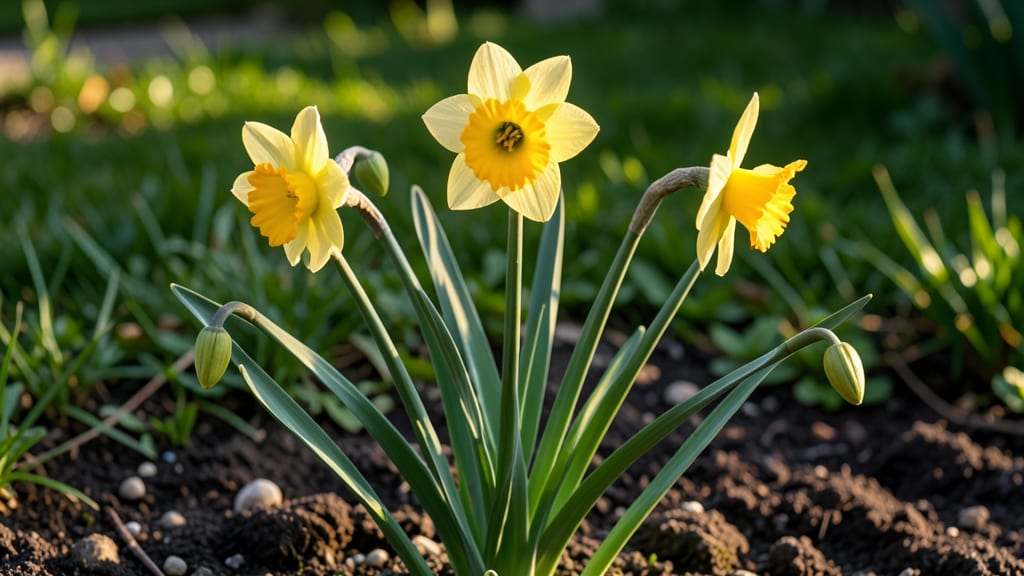
Daffodils bloom in Georgia between late January and early April, with early varieties like Jonquil appearing in January and later types such as Ice Follies showing up in March or April. Warmer southern regions (Zone 7b+) may see blooms as early as December, while northern areas (Zone 7a) often delay until February or March.
Georgia's mild winters create ideal conditions for daffodils, but timing varies dramatically across the state. Southern regions like Savannah often see early bloomers like 'February Gold' push through the soil by mid-December, while northern areas around Athens might not see their first daffodils until late February.
The key factor is temperature—daffodils need consistent daytime highs above 50°F to trigger blooming, which happens earlier in the coastal plain than the Piedmont region. 🌼 I've noticed that planting taller varieties in sheltered microclimates can push blooms forward by 2-3 weeks, especially if you choose early-blooming hybrids specifically bred for southern climates.
For gardeners eager to extend their bloom season, strategic planting is everything. Planting bulbs in layers—with early varieties in the front and late bloomers in the back—creates a cascading effect that keeps your garden vibrant from January through April.
I recommend mixing 'Tête-à-Tête' (one of the earliest) with 'Salome' (a late bloomer) to ensure continuous color. Just remember: while daffodils are cold-hardy, they hate soggy soil, so well-draining locations are crucial for consistent blooming.
💡 In This Article
- Daffodil Bloom Timing by Georgia Climate Zones
- Best Daffodil Varieties for Georgia’s Early and Late Blooms
Daffodil bloom timing by Georgia climate zones
Georgia's daffodil bloom windows are primarily dictated by its two dominant climate zones: 7a (northern Piedmont) and 7b-8a (coastal plain and southern regions). The key difference lies in frost patterns and temperature consistency.
In Zone 7a (Athens, Gainesville), daffodils typically wait for consistent daytime temperatures above 55°F before pushing through the soil, which usually occurs around mid-February. The region's colder winters often delay blooming until late February or even March, especially after hard freezes below 20°F.
Contrast that with Zone 7b-8a (Savannah, Brunswick), where daffodils often bloom 4-6 weeks earlier. The coastal plain's milder winters mean early varieties like 'Jonquil' can emerge as soon as December 15-20 when protected from late-season frost.
I've observed that Savannah's microclimates near the coast can push blooms even earlier, sometimes by 2-3 weeks, due to the moderating influence of the Atlantic Ocean. The temperature threshold for blooming remains the same (50°F+), but the coastal zone achieves it 6-8 weeks ahead of northern areas.
What most gardeners don't realize is how microclimates within these zones create additional variations. A south-facing slope in Athens might see daffodils bloom 10-14 days earlier than a north-facing garden bed, thanks to increased sunlight exposure.
Similarly, urban heat islands in Atlanta can create pockets where early bloomers appear 2 weeks ahead of surrounding rural areas. This is why I recommend planting near structures that absorb and radiate heat during winter months.
The science behind this timing involves daffodil bulbs' vernalization process—their biological need for cold exposure to trigger flowering. Most daffodils require 8-12 weeks of temperatures below 50°F to properly vernalize. In northern Georgia, this cold period often extends into January, while southern regions complete it by December.
The result? Northern bulbs need longer to "wake up" in spring, while southern bulbs are ready to bloom as soon as conditions permit. 🌱
Here's a practical comparison of bloom windows by region:
- Northern Georgia (Zone 7a): First blooms late February-early March, peak March 15-April 1
- Central Georgia (Zone 7b): First blooms mid-February, peak March 1-15
- Southern Georgia (Zone 8a): First blooms December 15-January 15, peak February 1-March 1
The most dramatic shifts occur at the transition zones—areas like Macon (Zone 7b/8a boundary) where you might see both early December blooms and late February flowers in the same neighborhood.
This geographic variation is why I always recommend selecting varieties based on your specific location within Georgia's diverse climate landscape. 🌿