
Flowers
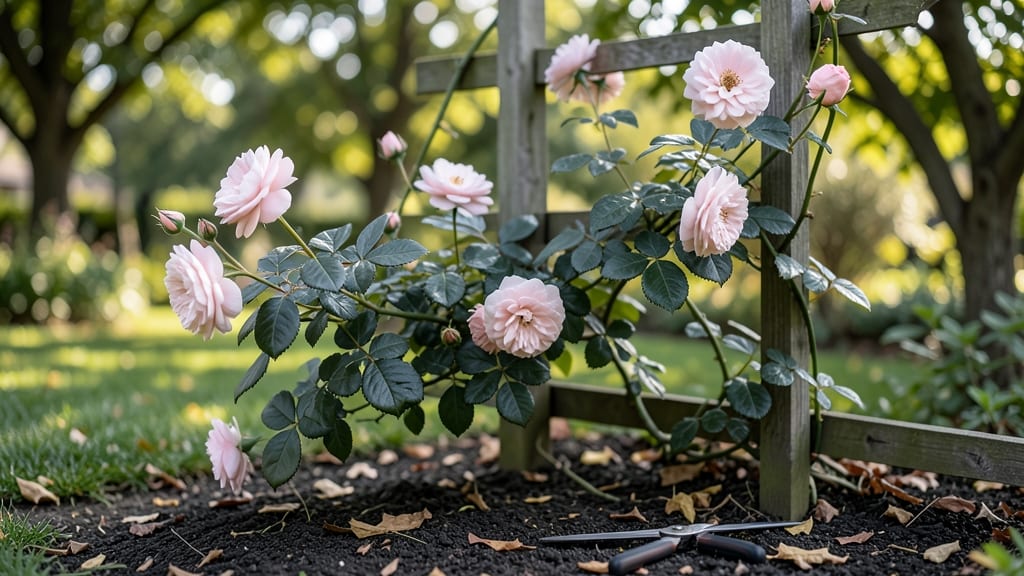
Climbing roses flower at different times depending on the variety and your climate zone, with some bursting into bloom as early as late spring and others stretching into autumn.
If you’ve ever wondered why your climbing roses bloom at different times—or how to plan your garden for year-round color—timing is everything. The right variety can transform your outdoor space from a single burst of spring blooms to a cascading floral display that lasts all season.
Most climbing roses, like the classic ‘New Dawn’, flower once in late spring or early summer, while repeat-blooming types such as ‘Zephirine Drouhin’ keep producing flowers until frost. Understanding these patterns helps you choose roses that align with your garden’s goals, whether it’s early fragrance or summer-long color.
In this guide, I’ll break down the flowering seasons by variety, share pruning tips to extend blooms, and highlight the best choices for year-round interest—so you can enjoy your 🌹 climbing roses for months on end.
Climbing rose flowering seasons by variety type (spring vs summer vs repeat bloomers)
Climbing roses are famous for their dramatic displays, but their flowering seasons vary wildly depending on the variety type. Some burst into bloom once in spring, while others reward you with repeat blooms all season.
Understanding these differences helps you choose roses that align with your garden's timeline and climate. For example, New Dawn and Blaze are classic once-blooming varieties that shine in late spring, while Zephirine Drouhin and Félicité Parmentier deliver continuous blooms from summer through fall.
Your USDA hardiness zone also plays a critical role. In warmer climates (zones 8-10), roses may bloom earlier and longer, while cooler zones (4-7) often see delayed spring blooms due to frost risks.
Even within the same variety, a mild winter can trick roses into blooming earlier than expected, while a harsh freeze may push blooms 2-4 weeks later. For instance, Iceberg typically blooms in late May in zone 5 but can start as early as April in zone 9.
If you're dreaming of year-round color, prioritize repeat-blooming varieties like Zephirine Drouhin, which flowers from June until frost.
These roses bloom on new wood, meaning they produce flowers on current season's growth rather than last year's. In contrast, once-blooming roses like New Dawn rely on old wood and deliver a spectacular but single-season display.
Pruning these varieties incorrectly can mean missing next year's blooms, so timing matters.
For early spring blooms, choose varieties like Blaze, which often starts flowering in early June but can begin as early as May in warm zones.
To encourage earlier blooms, plant in a south-facing location with full sun exposure and mulch heavily in late fall to protect roots from winter temperature swings. In cooler climates, consider microclimates near walls or fences, which can add 5-10°F warmth and extend the growing season.
Repeat bloomers like Félicité Parmentier require regular deadheading to encourage continuous flowers. Remove spent blooms weekly to redirect energy into new growth. For once-bloomers, prune immediately after flowering to shape the plant and prepare for next year's blooms.
Skipping this step can lead to overcrowded canes and fewer flowers. I once pruned my Iceberg too late in summer, and it produced only half as many blooms the following spring—a lesson I won’t repeat!
Climate also dictates late-season blooms. In nor
How to extend climbing rose blooms: pruning and care tips by season
Climbing roses can transform your garden into a romantic paradise—but only if you understand their seasonal needs. The key to longer blooms lies in timing, whether you're pruning for spring's first flush or encouraging summer's repeat flowers.
I've learned that one wrong cut can rob you of months of color, while the right approach turns your trellis into a floral waterfall.
Most climbing roses bloom on new wood, meaning they produce flowers on current season's growth. This makes them repeat bloomers if cared for properly. But even these varieties need seasonal adjustments—like spring pruning to shape growth and summer deadheading to trigger new buds.
Let me walk you through my proven methods for maximizing bloom duration throughout the year.
🌸 Seasonal Care Timeline
- Late Winter: Prune once-blooming varieties (like New Dawn) to 3-4 buds from old wood.
- Early Spring: Feed repeat bloomers with balanced fertilizer (10-10-10) when leaves emerge.
- Summer: Deadhead spent blooms weekly to encourage new flower clusters.
- Fall: Reduce watering and stop fertilizing 6 weeks before frost.
- Winter: Protect canes with mulch (10-12 inches) in Zone 5 or colder.
Start with late winter pruning (just before buds swell) to remove dead or crossing canes. For spring bloomers, cut back by one-third to encourage strong new growth.
I always use clean, sharp shears—dull tools crush stems, inviting disease. Pro tip: Make cuts at a 45-degree angle just above an outward-facing bud.
Once blooms appear, deadheading becomes your best friend. Simply snip off spent flowers down to the first five-leaflet leaf. This simple step tricks the rose into thinking it's spring again, prompting new buds.
For heavy bloomers like Zephirine Drouhin, I deadhead every 5-7 days during peak season. Pair this with light feeding every 4-6 weeks to keep blooms coming.
In summer heat, climbing roses need consistent moisture—deep watering twice weekly prevents buds from dropping. I always water early morning to avoid fungal issues. For extra insurance, apply mulch around the base to retain moisture and regulate soil temperature.
This small step can extend your bloom season by 3-4 weeks.
As seasons shift, adjust your care. In fall, taper off fertilizing to let the plant harden off for winter. Wrap canes in burlap if temperatures drop below 20°F.
Even repeat bloomers need this rest to rebound stronger in spring. My William Baffin rose—known for autumn foliage—thrives with this approach, giving me color until frost.