
Flowers
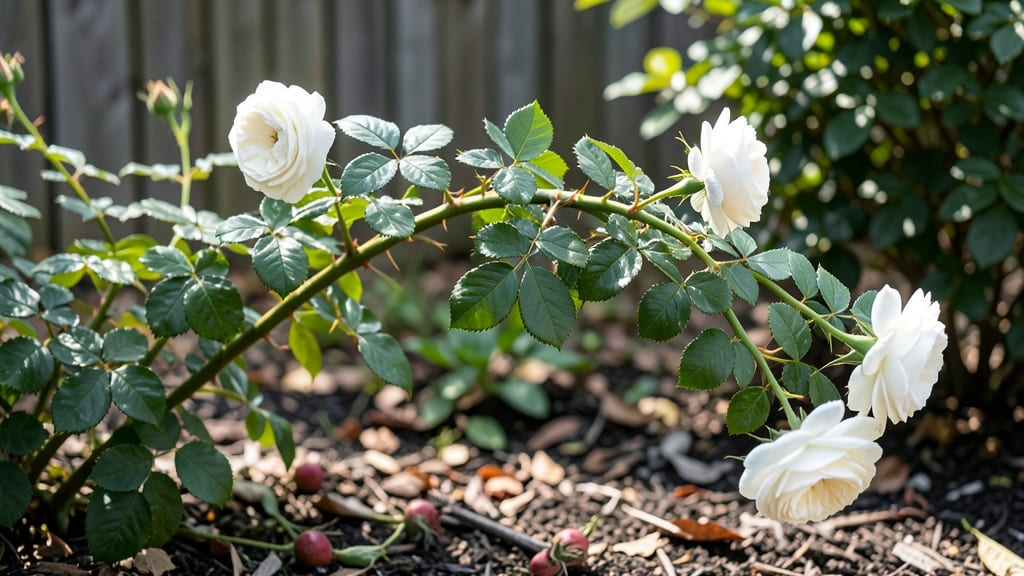
White climbing roses transform any garden into a romantic escape with their fragrant, cloud-like blooms that dance in the breeze. 🌿 I learned the hard way that these vines aren't just pretty—they're low-maintenance powerhouses that reward patience with year-round interest when planted right.
The secret lies in choosing the perfect spot, prepping the soil just so, and mastering a few pruning tricks that keep them blooming like clockwork.
Start with a sunny location where the vines get at least 6-8 hours of sunlight daily—partial shade works too, but full sun guarantees the most dramatic blooms.
Amend your soil with compost before planting, and pick a sturdy trellis or arbor that can support 10-20 feet of growth depending on the variety. Water deeply 2-3 times per week in the first year to establish strong roots, then taper off to once a week once established.
The key is consistency: too much water causes root rot, but too little means wilted blooms.
Pruning might sound intimidating, but it's the magic that keeps these roses blooming nonstop. Cut back one-third of the oldest canes every spring to encourage new growth, and deadhead spent blooms regularly to redirect energy into fresh flowers.
With this care, you'll enjoy snow-white blossoms from early summer through fall, and even some varieties carry delicate buds into winter. The fragrance alone—like a whisper of spring—makes every effort worthwhile.
For design inspiration, train your roses over arbors, pergolas, or fences to create a dreamy entrance or a shaded seating area. Pair them with clematis or jasmine for layered fragrance, or let them climb a simple wooden trellis for a cottage-garden feel.
The best part? These roses thrive in containers too, making them perfect for patios or small spaces. Once you see them in full bloom, you'll wonder how you ever lived without them.
📚 In This Guide
- What you need
- Instructions
- Tips and common mistakes
- Wrapping up and next steps
What you need
- ● Climbing rose bushes (white varieties): 1–3 plants (depending on desired coverage). Recommended types: Blanc Double de Coubert, Zéphirine Drouhin, or Climbing Iceberg.
- ● Choose bare-root or potted plants (potted are easier for beginners).
- ● Support structure: 1 sturdy trellis, arbor, fence, or pergola (6–10 feet tall).
- ● High-quality potting soil or garden soil: 1–2 bags (amend with compost for better drainage).
- ● Organic mulch: 2–3 inches (shredded bark or straw to retain moisture).
- ● Garden trowel or spade (for planting).
- ● Pruning shears (sharp, sterilized—must be clean to prevent disease!).
- ● Gloves (heavy-duty for thorns).
- ● Watering can or hose (with a gentle spray nozzle).
- ● Fertilizer: 1 bag of rose-specific fertilizer (or balanced 10-10-10 granular).
- ○ Optional but helpful: Soil moisture meter (to monitor watering needs).
- ● Epsom salt (for magnesium boost—1 tbsp per plant monthly).
- ● Rose food or compost tea (for extra nutrients).
- ● Sunlight: A spot with 6+ hours of direct sun daily (partial shade in hot climates is okay).
- ● Space: Ensure your support structure is planted 12–18 inches away from the base.
- ● Drainage: Avoid soggy soil—roses hate waterlogged roots!
- ● Patience: Climbing roses take 1–2 years to fully establish and bloom.
Step-by-Step guide to planting and caring for climbing white roses
Here's how I create fragrant, year-round blooms with minimal fuss—these vines reward patience with stunning displays.
🌱 Step 1: Choose the Right Location and Prepare the Soil
Climbing white roses thrive in full sun—at least 6 hours of direct sunlight daily. I always select a spot against a sturdy trellis, fence, or arbour where the vine can climb vertically. Avoid low-lying areas where cold air settles, as roses are frost-sensitive.
Test your soil's drainage by digging a 12-inch hole—if water pools after 30 minutes, amend with 2-3 inches of compost and a 1-inch layer of coarse sand. Roses hate soggy roots, so prioritize well-draining soil. I mix in a handful of bone meal fertilizer at planting to encourage strong root development.
🪴 Step 2: Plant Bare-Root Roses at the Right Time
Plant bare-root roses in late fall or early spring, when soil temperatures are cool but not frozen. Soak the roots in lukewarm water for 2-3 hours before planting to revive them. Dig a hole twice as wide as the root ball but no deeper—roses need to sit at the same depth they grew in the nursery.
Position the rose so the graft union (a slight bulge near the base) sits 2-3 inches above soil level. This prevents root rot and ensures strong regrowth. Spread the roots outward gently, then backfill with native soil mixed with compost. Water deeply until the soil settles, then add a 2-inch layer of mulch to retain moisture and regulate temperature.
☀️ Step 3: Install Support and Train the Vine Early
Install your trellis or climbing structure immediately after planting. I use a 5-foot-tall obelisk for small spaces or attach a sturdy fence for larger areas. Tie the main stem loosely to the support with soft plant ties—never use wire or anything that can cut into the bark as the vine thickens.
Prune the rose right after planting to encourage branching. Cut the main stem back by one-third and remove any weak or crossing branches. This might seem drastic, but it forces the plant to put energy into developing multiple strong canes. Watch for new growth within 4-6 weeks—this is your signal the rose is establishing itself.
💧 Step 4: Water and Fertilize for Continuous Blooms
Water deeply 2-3 times per week during the first growing season, soaking the root zone to 12 inches deep. Let the top 2 inches of soil dry out between waterings to prevent fungal diseases. Once established, roses are drought-tolerant, but consistent moisture ensures larger, more fragrant blooms.
Feed roses every 4-6 weeks during the growing season with a balanced rose fertilizer (10-10-10 ratio). I also add a high-phosphorus fertilizer in early spring to promote blooming. Stop fertilizing after mid-summer to allow the plant to harden off for winter.
✂️ Step 5: Prune Seasonally to Encourage Year-Round Blooms
Prune climbing roses twice a year: once in late winter (just before new growth begins) and again after the first flush of blooms in early summer. Remove any dead, diseased, or crossing branches first—cut back to a healthy outward-facing bud. Then, shorten the remaining canes by one-third to encourage bushier growth.
For year-round blooms, deadhead spent flowers regularly. Pinch off faded blooms just above a set of 5 healthy leaves to redirect the plant's energy into new growth. This keeps the vine producing flowers instead of seed pods. In fall, cut back any remaining blooms and reduce watering as the plant prepares for dormancy.
Tips & tricks for perfect climbing white roses
These game-changing strategies will help you cultivate fragrant, thriving white roses that bloom beautifully year after year—without the guesswork.
Sunlight Secret: While the instructions call for at least 6 hours of sunlight daily, I've found that climbing white roses actually perform best with 8-10 hours of direct sun for maximum fragrance and bloom production. If your location gets less, consider installing a small trellis in a sunnier spot and transplanting later when the vine is established. The difference in fragrance intensity is night and day!
Soil Test Hack: Before amending your soil with compost and sand, do a simple drainage test: Dig a 12-inch hole, fill it with water, and time how long it takes to drain. If it takes longer than 30 minutes, you definitely need to improve drainage. For an extra boost, mix in a handful of perlite with your compost—it helps prevent compaction and improves aeration for those vital root systems.
Pruning Precision: When you're pruning those canes by one-third in Step 5, always make your cuts at a 45-degree angle just above an outward-facing bud. This angled cut helps water run off, preventing rot, while the outward-facing bud encourages new growth that will climb upward. I like to sterilize my pruners with rubbing alcohol between cuts to prevent spreading disease—it's a small habit that makes a big difference in plant health.
Fertilizer Timing: The 4-6 week feeding schedule works perfectly, but here's my pro tip: Split that high-phosphorus spring fertilizer into two applications—give half in early spring and the rest 6 weeks later. This staggered approach ensures your roses have a steady supply of phosphorus for continuous blooming throughout the season without overloading the plant at once.
Pro Tips for Climbing Roses White
- These game-changing strategies will help you cultivate fragrant, thriving white roses that bloom beautifully year after year—without the guesswork.
- Sunlight Secret: While the instructions call for at least 6 hours of sunlight daily, I've found that climbing white roses actually perform best with 8-10 hours of direct sun for maximum fragrance and bloom production.
- Soil Test Hack: Before amending your soil with compost and sand, do a simple drainage test: Dig a 12-inch hole, fill it with water, and time how long it takes to drain.
Frequently asked questions
When is the best time to plant climbing roses?
Plant your climbing roses white in early spring or fall when temperatures are mild (50–70°F). Avoid extreme heat or frost, as roots need time to establish before stress. If planting in summer, water deeply and mulch to retain moisture. Pro tip: Soak roots in water for 1–2 hours before planting to reduce transplant shock!
How do I encourage blooms year-round?
White climbing roses thrive with regular pruning and balanced care. Prune after the first bloom (late spring) to remove dead wood, then again lightly in early fall. Feed with a rose-specific fertilizer every 6–8 weeks, and deadhead spent blooms promptly. Bonus: A layer of organic mulch helps retain moisture and nutrients for continuous flowering.
What pests or diseases should I watch for?
Common issues include aphids, spider mites, and black spot fungus. Inspect leaves regularly for holes or discoloration. Treat aphids with a strong spray of water or neem oil. For black spot, remove infected leaves and apply a fungicide. Prevention tip: Ensure good airflow by spacing plants 3–6 feet apart and avoiding overhead watering.
Can I grow climbing roses in containers?
Yes! Choose a large container (at least 15 gallons) with drainage holes and fill it with well-draining potting mix. Use a trellis or sturdy frame for support. Key note: Container roses dry out faster—water deeply 2–3 times per week in hot weather and fertilize monthly. Move pots to a sheltered spot in winter if temperatures drop below 20°F.
How do I protect climbing roses in winter?
Most white climbing roses are hardy to USDA Zones 4–9, but young plants or tender varieties need extra care. Mulch heavily (4–6 inches) around the base, wrap canes loosely with burlap, and cover with frost cloth if temps dip below 10°F. Spring prep: Remove winter protection in early spring once new growth appears.
What’s the easiest white climbing rose for beginners?
Start with ‘Blanc Double de Coubert’ or ‘Zephirine Drouhin’—both are disease-resistant, fragrant, and forgiving. ‘Blanc Double’ has double blooms and thrives in full sun, while ‘Zephirine Drouhin’ is a vigorous climber with climbing potential up to 20 feet. Both are perfect for trellises or arbors!
Wrapping up and next steps
Climbing white roses are a dream come true for gardeners who love elegance, fragrance, and low-maintenance beauty—and yes, they can bloom nearly year-round with the right care! 🌸 From choosing the perfect variety to mastering pruning and pest control, you now have all the tools to cultivate a stunning, fragrant vine that will be the star of your garden.
The secret? A little patience, consistent attention, and the joy of watching your hard work transform into a breathtaking display.
Ready to get started? Pick your favorite white climbing rose today and begin your journey—your garden (and future visitors) will thank you! For extra inspiration, sketch a rough design for your trellis or fence before planting. Happy gardening! 🌿✨