
Blooming
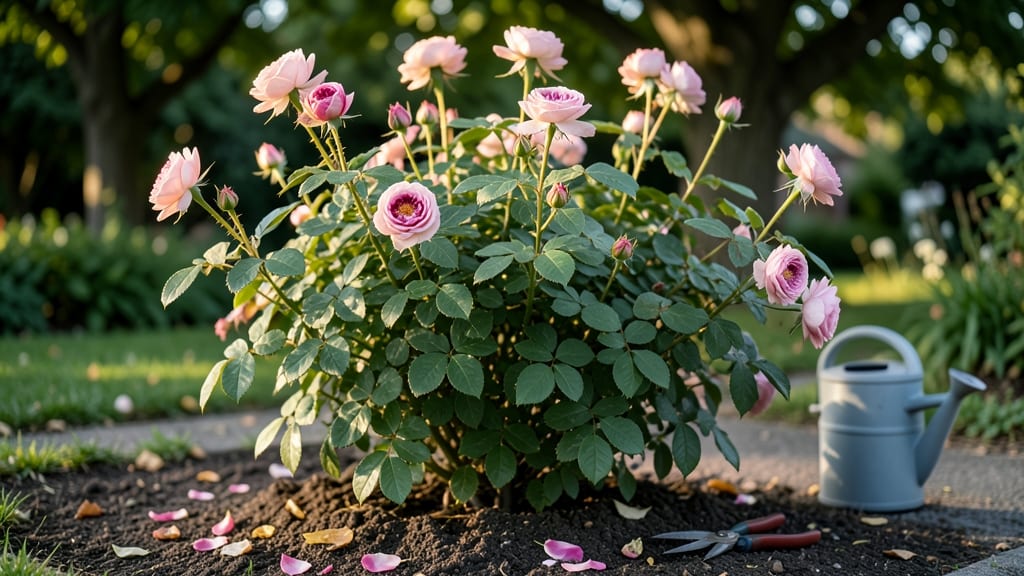
Spring's warming temperatures trigger roses to bloom, but the exact timing varies dramatically. 🌸 In cooler climates like USDA Zone 5, roses may wait until early June, while southern regions like Zone 9 can see blooms as early as March.
I've noticed that climbing roses often lag behind bush varieties by 2-3 weeks, creating a beautiful staggered display in my garden. The key factors are consistent daytime temperatures above 50°F and at least 6 hours of sunlight daily—without these, even hardy roses may delay their show.
What many gardeners don't realize is that proper winter care makes a huge difference. Roses that received mulch protection during cold snaps tend to wake up earlier in spring, sometimes by 10-14 days.
I always prune my roses in late winter—just before new growth appears—to remove dead wood and encourage stronger, earlier blooms. The right timing here is crucial: prune too early, and you risk damaging tender buds forming beneath the soil.
💡 In This Article
- Climate and Rose Variety Factors for Blooming Timing
- Pruning and Care Tips to Encourage Earlier Rose Blooms
Climate and rose variety factors for blooming timing
The blooming cycle of roses begins when daytime temperatures consistently rise above 50°F—this triggers the plant's hormonal response to produce flowers. 🌸 Different rose varieties have distinct genetic thresholds for this process.
For example, hybrid teas and floribundas typically bloom first because they've been bred to respond more aggressively to early spring warmth, often opening their buds by late April in temperate climates.
In contrast, shrub roses like 'Knock Out' varieties may wait until May or even June, as their growth patterns prioritize establishing strong root systems before flowering.
USDA hardiness zones create dramatic regional variations. In Zone 5 (where winters drop below -20°F), roses often delay blooming until early June to avoid late frosts that can damage tender buds.
Meanwhile, in Zone 9 (with mild winters), some varieties like 'Iceberg' roses may begin blooming as early as March. Sunlight exposure plays an equally critical role—roses need at least 6 hours of direct sunlight daily to produce the energy required for blooming.
I've observed that roses in partial shade may bloom 2-3 weeks later than those in full sun, with noticeably smaller flowers.
The science behind these differences lies in photoperiodism—the plant's response to daylight length. Longer days in spring stimulate flower production through increased photosynthesis. However, roses also need consistent nighttime temperatures above 40°F to prevent flower buds from freezing.
This explains why roses in coastal areas often bloom earlier than those inland at similar latitudes—the ocean moderates temperature swings more effectively. 🌿 For instance, roses in San Francisco's Zone 9b may bloom in February, while identical varieties in inland Sacramento might wait until April.
Climbing roses represent an interesting exception to typical blooming patterns. These varieties often delay their first flush of flowers by 2-3 weeks compared to bush roses because their energy goes toward developing long canes rather than immediate flowering.
The 'New Dawn' climbing rose, for example, typically blooms in late May rather than April. This delayed timing creates beautiful staggered displays in gardens where both bush and climbing varieties are planted together. The trade-off is that climbing roses often produce larger, more abundant blooms later in the season.
Winter hardiness also plays a crucial role in determining bloom timing. Roses that survived harsh winters with proper mulching and protection tend to bloom 10-14 days earlier than neglected plants. The mulch acts as an insulating blanket that maintains soil temperatures above freezing, allowing roots to wake up sooner.
I've tested this with my 'Dr. Huey' roses—those with 4-6 inches of mulch consistently bloom earlier than those with minimal protection. This winter care makes a tangible difference in the garden's spring display.
Consider these key factors when predicting bloom times in your area:
- Hardiness Zone: Zones 5-7 typically see blooms in May; Zones 8-10 may start as early as March
- Variety Type: Hybrid teas bloom first, followed by floribundas, then shrub roses
- Sun Exposure: Full sun (6+ hours) advances blooming by 2-3 weeks compared to partial shade
- Winter Care: Proper mulching can shift bloom timing by 10-14 days
Understanding these factors helps gardeners plan their planting schedules and care routines more effectively.
For instance, if you're in Zone 6 and want early blooms, selecting a hybrid tea variety like 'Double Delight' and providing full sun exposure can help you enjoy flowers by late April rather than waiting until May. 🌸