
Plants
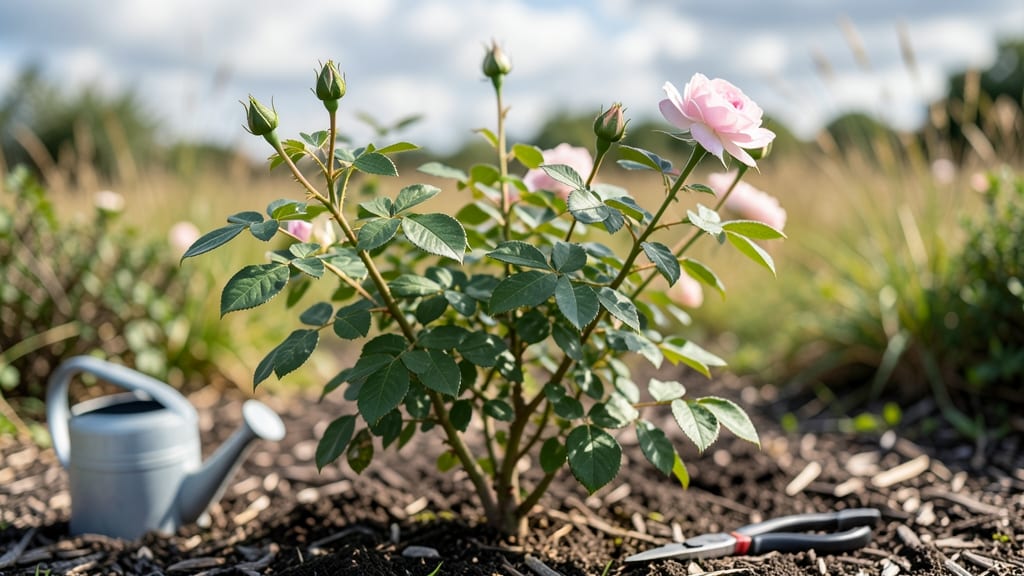
Rose buds look like compact spirals of tightly layered petals wrapped around a green center, ranging from pea-sized to golf-ball-sized, and come in colors like deep red, soft pink, creamy white, or yellow before they open.
These delicate formations start as tightly closed spirals, with each layer of petals encasing the next like a botanical treasure chest. 🌸 The central green calyx acts as the bud's protective core, often developing into the flower's stem once it blooms.
What makes them so fascinating is how their appearance changes as they mature—from a pea-sized nub to a fully formed golf-ball-sized bloom ready to unfold, revealing their intricate inner structure.
Different rose varieties showcase unique bud characteristics: hybrid teas typically have elongated, pointed buds, while floribunda roses display more rounded, clustered formations.
The color palette isn't limited to just red—some buds emerge in vibrant yellows like 'New Dawn' or delicate creams such as 'Iceberg,' offering a preview of their future blooms.
💡 In This Article
- Rose Bud Anatomy and Growth Stages
- Identifying Rose Buds by Variety and Season
Rose bud anatomy and growth stages
The botanical marvel of a rose bud begins with its layered petal structure, where each petal is carefully folded around its neighbor like pages in a tightly bound book. 🌿 At the core, you'll find the calyx—a cluster of green sepals that protect the developing flower.
These sepals are often covered in tiny hairs called trichomes, which help repel water and pests. The petals themselves are arranged in a spiral pattern, with each new layer emerging slightly larger than the one beneath it, creating that signature compact spiral shape.
As the bud matures, it progresses through distinct stages: the tight bud stage (fully closed), the half-open stage (where petal tips begin peeking out), and finally the bloom-ready stage (when the bud swells to its full size). 🌸 For example, a 'Black Baccara' rose bud might start as a pea-sized nub with deep burgundy hues, then expand to nearly 1.5 inches in diameter before blooming.
The time between stages varies by variety—some like 'Knock Out' roses take just 3-5 days to go from tight bud to bloom, while heirloom varieties may take 7-10 days.
What's fascinating is how the bud's shape reflects its future bloom.
Hybrid tea roses, known for their elegant, elongated buds, will unfurl into single-stemmed flowers with 30-50 petals, while floribunda roses with rounded buds produce clusters of smaller blooms with 15-25 petals each. 🌹 The color you see in the bud is often a deeper, more saturated version of what the bloom will become—think of a 'Double Delight' rose bud's vibrant yellow turning into a softer golden yellow when fully open.
The bud's protective mechanisms are equally impressive. The calyx not only shields the delicate petals but also contains nectar glands that produce sweet liquid to attract pollinators.
These glands are most active in the half-open stage, when the bud is most vulnerable to environmental stresses like wind or rain. 🌧️ The waxy coating on many buds also helps reduce water loss and prevents fungal infections, allowing the bud to maintain its perfect spiral form until it's ready to bloom.
Seasonal variations play a crucial role in bud development.
Spring buds often appear more vibrant due to increased sunlight exposure, while fall buds may develop a slightly waxier coating as a protective measure against cooler temperatures. 🍂 For instance, 'David Austin' English roses in autumn might produce buds with a subtle sheen that's absent in their spring counterparts.
This seasonal adaptation ensures the plant can bloom successfully regardless of the weather conditions.
Understanding these growth stages helps gardeners predict bloom times and care for their roses more effectively.
For example, knowing that a 1-inch bud is typically 72 hours from blooming allows you to prepare for the flower's arrival—whether that means arranging vases or planning photography sessions to capture the moment of opening. 📸
Each bud's journey from compact spiral to full bloom is a testament to nature's precision, where every layer, color, and texture plays a specific role in the flower's development and eventual display. 💫