
Shrubs
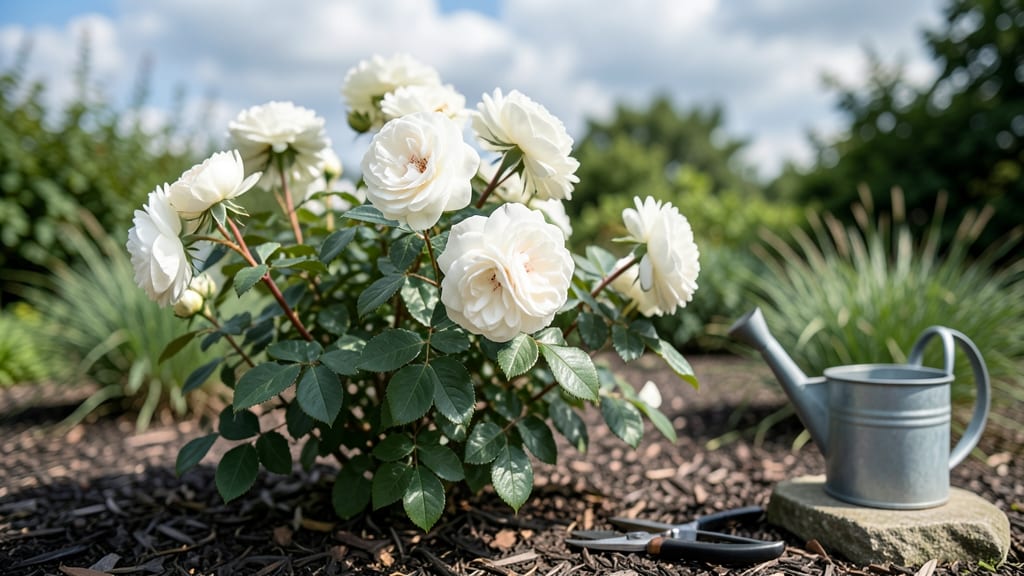
Compact floribunda roses bring year-round fragrance to small spaces without the fuss of sprawling climbers. 🌹 I’ve grown these for years, and they’re the secret weapon for patios, balconies, and even large pots—they keep their shape, bloom nonstop, and smell like a cottage garden in a pint-sized package.
The key is matching their needs: 6+ hours of sun, well-draining soil, and regular pruning to encourage bushiness. Most people overwater or prune at the wrong time, which is why their roses look leggy and sparse.
I’ll show you the exact schedule that keeps mine flowering from spring until frost. By summer’s end, you’ll have a compact, fragrant bush that attracts butterflies and fills your space with color. The best part?
They’re just as happy in a 5-gallon container as they are in the ground, making them perfect for renters or small yards. Here’s how to plant, prune, and maintain them—without the guesswork. Let’s get those blooms going!
📚 In This Guide
- What you need
- Instructions
- Tips and common mistakes
- Wrapping up and next steps
What you need
- ● Compact floribunda rose: Choose a dwarf or semi-dwarf variety (e.g., 'Iceberg,' 'Julia Child,' or 'Playboy')—these thrive in containers and reach 2–4 feet tall.
- ● Container: A 5-gallon pot or larger (minimum 12–18 inches deep) with drainage holes. Terracotta or fabric pots work best for airflow.
- ● High-quality potting mix: A blend of 60% organic matter (compost, peat moss), 30% perlite/pumice, and 10% sand for drainage.
- ● Slow-release fertilizer: Look for a balanced 10-10-10 or rose-specific formula (e.g., Espoma Rose-Tone).
- ● Mulch: 2–3 inches of shredded bark or pine needles to retain moisture and regulate soil temp.
- ● Garden trowel or small shovel for transplanting.
- ● Pruning shears (sterilized with rubbing alcohol) for shaping.
- ● Watering can or hose with a gentle spray nozzle (avoid overhead watering to prevent disease).
- ○ Stakes or cages: 3–4 ft tall (optional but helpful for support).
- ● Epsom salt (magnesium sulfate) (1 tbsp/month in water) for green, lush foliage.
- ○ Fungicide (optional): Copper-based spray for preventative care in humid climates.
- ● Sunlight: 6+ hours of full sun daily (south-facing spot ideal).
- ● Climate: Hardy to USDA Zones 5–10 (adjust watering in extreme heat/cold).
- ● Knowledge: Basic pruning skills (or a YouTube tutorial—we won’t judge!).
Step-by-step guide to growing compact floribunda roses in containers
Here’s how to cultivate these fragrant, repeat-blooming beauties—packed with expert tips to keep them thriving in limited space.
🪴 Step 1: Choose the Right Container and Drainage
Select a container at least 18-24 inches deep and wide—these roses need room for strong root systems. Terra cotta pots work best because they breathe, preventing root rot. Ensure multiple drainage holes at the bottom; if your pot lacks them, drill 3-4 holes yourself. Line the bottom with 2 inches of gravel or broken pottery to improve drainage further. Without proper airflow, roots suffocate, and the plant struggles to absorb water.
I always place a plastic nursery pot inside the decorative container to make future repotting easier. This way, you can lift the entire root ball without disturbing the soil when it’s time to refresh nutrients. Skip this step, and you’ll risk damaging roots when transplanting later. Place your container in a spot where it won’t be disturbed—roses hate root disruption once established.
🌱 Step 2: Prepare the Soil and Plant Your Rose
Fill the container with a well-draining potting mix—avoid garden soil, which compacts and suffocates roots. I blend two-thirds potting mix with one-third perlite or coarse sand to improve aeration. Add 2-3 tablespoons of slow-release fertilizer (like 10-10-10) to the bottom layer for a nutrient boost. Moisten the mix until it’s damp but not soggy—you want it to hold moisture without pooling.
Gently remove your rose from its nursery pot and loosen the roots if they’re circling. Position the plant so the graft union (the swollen bump near the base) sits 1-2 inches below the soil line. This protects the plant from temperature fluctuations and disease. Backfill with soil, pressing lightly to eliminate air pockets, but avoid compacting the mix. Water deeply until it drains from the bottom holes—this settles the soil and encourages roots to spread.
☀️ Step 3: Provide Optimal Light and Watering
Compact floribundas crave full sun (6-8 hours daily)—place your container where it gets morning sun and afternoon shade if temperatures exceed 90°F. South-facing windows or patios work best, but if you’re in a hot climate, dappled shade in the afternoon prevents leaf scorch. You’ll notice pale, leggy growth if light is insufficient—this is your cue to move the plant closer to a brighter spot.
Water deeply 2-3 times per week, ensuring the top 2 inches of soil dry out between waterings. Overwatering is the #1 killer of container roses—check moisture by sticking your finger in the soil. If it feels dry, water until it runs out the drainage holes. Mulch the top 1 inch with shredded bark to retain moisture and regulate soil temperature. Fertilize every 4-6 weeks with a balanced rose fertilizer during the growing season (spring to fall).
✂️ Step 4: Prune for Continuous Blooms and Shape
Prune your rose twice a year: once in early spring (just before new growth starts) and again after the first flush of blooms in late spring. Remove dead, diseased, or crossing branches first—these compete for energy. Cut back one-third of the oldest stems to encourage new growth and prevent overcrowding. Always prune just above an outward-facing bud (about ¼ inch above) to maintain an open, airy shape.
For container-grown roses, deadhead spent blooms regularly to redirect energy into new flowers. Pinch back new growth by ⅓ if it looks leggy—this promotes bushier, more compact growth. I use clean, sharp pruners dipped in rubbing alcohol between cuts to prevent spreading disease. Avoid heavy pruning in fall or winter; the plant needs energy to recover before dormancy.
🌿 Step 5: Overwintering and Year-Round Care
Before the first frost, reduce watering and stop fertilizing. Wrap the container in burlap or frost cloth if temperatures drop below 20°F—this protects roots from freezing. In USDA Zones 7-9, you can leave the rose in its container outdoors, but move it to a sheltered spot (like a garage or covered porch) if winters are harsh. Check soil moisture weekly—container soil dries out faster in winter, even if the plant is dormant.
In early spring, resume watering and fertilizing as new growth appears. Inspect the plant for aphids or spider mites—common pests that thrive in dry conditions. Spray infested areas with neem oil or insecticidal soap at the first sign of trouble. With proper care, your compact floribunda will reward you with fragrant blooms from spring through fall, proving that even small spaces can grow showstopping roses.
Tips & tricks for perfectly thriving compact floribundas
Between us, these container roses demand attention to detail—but the payoff is worth every effort. Here's how to elevate your compact floribundas from "meh" to "showstopper."
Container Selection Wisdom: While terra cotta is ideal, don't dismiss fiberglass or plastic containers completely. Just ensure they have those critical drainage holes—no exceptions! I've seen roses thrive in fiberglass containers that were properly modified. The key is maintaining that airflow at the bottom while still providing stability for your 18-24 inch deep pot. For extra insurance against root rot, consider adding a layer of hydroponic clay pebbles above your 2 inches of gravel—this creates additional air pockets that roots will thank you for.
Soil Mix Science: Your two-thirds potting mix to one-third perlite/sand ratio is spot-on, but here's the secret: pre-moisten that perlite before mixing. Dry perlite absorbs moisture like a sponge, leaving your soil mix bone-dry. Soak it first, then squeeze out excess water—this ensures even moisture distribution right from planting. Also, consider adding 1 tablespoon of worm castings to that bottom layer for a natural microbial boost that helps roots establish faster.
Light Management Strategy: That 6-8 hours of full sun guideline is non-negotiable, but here's how to work with it in different climates. In hot zones (above 90°F), I've had success moving containers to shaded spots during peak afternoon sun—just bring them back to full sun by late afternoon. For cooler climates, supplement with a grow light for 2-3 hours in the morning if you notice those telltale pale leaves. The goal is consistent light exposure without stressing the plant.
Pruning Precision: When you're cutting back those one-third oldest stems in Step 4, make your cuts at a 45-degree angle just above that outward-facing bud. This creates more surface area for water absorption and prevents moisture from pooling on the cut. Also, save those pruned stems! Place them in water and you'll get fresh cuttings that can root and become new plants. It's like getting free roses—just don't overdo it or you'll weaken your main plant.
Pro Tips for Compact Floribunda Rose
- Between us, these container roses demand attention to detail—but the payoff is worth every effort.
- Container Selection Wisdom: While terra cotta is ideal, don't dismiss fiberglass or plastic containers completely.
- Soil Mix Science: Your two-thirds potting mix to one-third perlite/sand ratio is spot-on, but here's the secret: pre-moisten that perlite before mixing.
Frequently asked questions
Got questions about growing and caring for your compact floribunda rose? You’re not alone! Here are answers to the most common queries to help you keep your fragrant blooms thriving all season.
How do I choose the best compact floribunda rose for containers?
Look for varieties labeled "compact" or "dwarf," like 'Strawberry Shortcake' or 'Playboy'. These stay under 3–4 feet tall and thrive in pots. Prioritize disease-resistant hybrids (e.g., Knock Out series) for easier care. Check your climate zone—some varieties bloom better in cooler regions!
When is the best time to plant a compact floribunda rose in a container?
Plant in early spring (after the last frost) or early fall for best root establishment. Avoid summer heat, which stresses young plants. If buying potted roses, transplant them immediately—container-grown roots adapt faster than bare-root varieties.
How often should I water my compact floribunda rose in a pot?
Water when the top 1–2 inches of soil feel dry (usually every 2–3 days in summer, less in cooler months). Containers dry out faster! Use well-draining soil and a pot with drainage holes. Pro tip: Mulch the soil surface to retain moisture and prevent root rot.
What pests or diseases should I watch for in container-grown compact floribunda roses?
Common issues include aphids, powdery mildew, and black spot. Inspect leaves weekly—spray with neem oil for pests or fungicide for fungal issues. Ensure airflow by spacing pots 12–18 inches apart. Preventative tip: Prune for airflow and avoid overhead watering.
Can I keep my compact floribunda rose blooming all season?
Yes! Deadhead spent blooms regularly to encourage continuous flowering. In late winter, prune back 1/3 of the plant to remove dead wood and shape it. Fertilize lightly every 4–6 weeks with a balanced rose food (10-10-10) during the growing season.
Wrapping up and next steps
Compact floribunda roses are the perfect blend of beauty, fragrance, and practicality—ideal for small spaces, containers, or even urban gardens! 🌸 With their prolific blooms, disease resistance, and low-maintenance charm, they reward gardeners with seasonal color and delightful scents year after year.
Whether you're a beginner or a seasoned gardener, these roses prove that big impact doesn’t require big space.
Ready to bring home your own compact floribunda? Start by choosing your favorite variety, gather your supplies, and plant with confidence! 🌱 Next, explore our guide on care tips to keep your roses thriving—because every gardener deserves a flourishing, fragrant corner.