
Flowers
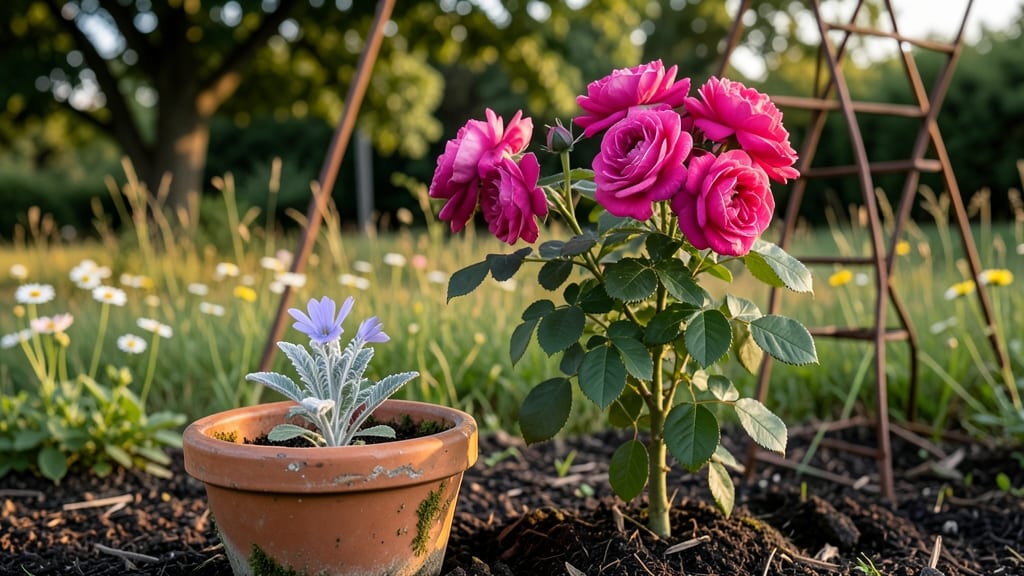
Flowers that pair well with roses include hydrangeas for their lush foliage, peonies for delicate beauty, and snapdragons for vertical interest. Sunflowers bring vibrant energy, while lavender adds soothing fragrance and texture. Thoughtful color combinations—like red roses with burgundy dahlias—elevate arrangements and garden designs.
Roses are the star of any floral display, but the right supporting cast can transform them from pretty to spectacular. 🌸 The key lies in balancing textures, heights, and colors—hydrangeas provide bold foliage contrast, while peonies soften with their velvety petals.
For height, snapdragons or delphiniums create striking vertical lines, while sunflowers inject warmth and drama. Even simple greenery like eucalyptus or ferns ties everything together by grounding the arrangement.
What's fascinating is how color theory plays a role: pairing deep red roses with burgundy dahlias intensifies warmth, while soft pink roses with white ranunculus create an airy, romantic feel.
Don't overlook fragrance either—lavender or jasmine beside roses creates a sensory experience that's impossible to ignore. In gardens, consider low-maintenance perennials like coneflowers or salvia, which thrive alongside roses and attract pollinators.
The secret to long-lasting bouquets? Choose flowers with similar water needs and avoid overcrowding stems. This way, your roses will shine while their companions enhance their natural beauty.
💡 In This Article
- Color Theory Secrets for Rose Floral Arrangements
- Top 10 Flowers to Combine With Roses in Gardens and Bouquets
Color theory secrets for rose floral arrangements
The visual magic of rose pairings starts with color theory—specifically how complementary and analogous schemes work.
Red roses, for example, create stunning contrast with blue or purple hues (like delphiniums or irises) because they sit opposite on the color wheel, making each other pop. 🌸 This is called complementary harmony, where colors enhance each other's vibrancy.
Conversely, pairing pink roses with lavender or white flowers (such as ranunculus or gardenias) uses analogous harmony, creating a softer, more cohesive look by using adjacent colors.
Hue saturation matters too—deep, saturated colors (like burgundy dahlias) intensify the richness of red roses, while pastel roses benefit from light, airy companions (such as baby's breath or white roses).
Seasonal trends also play a role: spring arrangements often feature soft pink roses with peonies or tulips, while autumn displays might combine deep red roses with golden chrysanthemums. The key is balancing saturation—mixing one bold color with two neutrals (like greenery) keeps arrangements from feeling overwhelming.
Texture is the unsung hero of color harmony. Rough, velvety peonies soften the sharp edges of roses, while spiky snapdragons or thistle-like echinacea add structural contrast. Even the matte finish of hydrangeas contrasts beautifully with roses' glossy petals.
This interplay isn't just aesthetic—it affects how light reflects off the flowers. Glossy surfaces (like roses) reflect more light, making them appear brighter against matte textures, which absorb light and create depth.
Don't underestimate the power of greenery. Eucalyptus or fern fronds act as neutral canvases, letting roses take center stage while adding dimension. In gardens, silver foliage plants like lamb's ear reflect light upward, making roses appear more luminous.
The science here is simple: lighter backgrounds make colors appear more vibrant, while darker foliage (like black mondo grass) makes roses stand out dramatically. This is why professional florists often use 30-40% greenery in arrangements—they're not just fillers, but intentional design elements.
Lighting conditions change how colors interact too. Natural daylight enhances true hues, while warm indoor lighting can make red roses appear richer but may mute pastel companions. For evening events, opt for flowers with high reflective properties (like roses and sunflowers) to catch ambient light.
Pro tip: Test your color combinations in the actual lighting where they'll be displayed—what looks perfect in a sunny garden may shift under artificial light.
Seasonal color psychology also influences pairings. Spring's pastels (like blush roses with white anemones) evoke freshness, while autumn's deep reds and oranges (roses with marigolds) create warmth. Even the temperature of colors matters—cool tones (blues, purples) make roses feel more romantic, while warm tones (yellows, oranges) add energy.
This is why wedding florists often use white roses with blush accents for a timeless, elegant look.