
Blooming
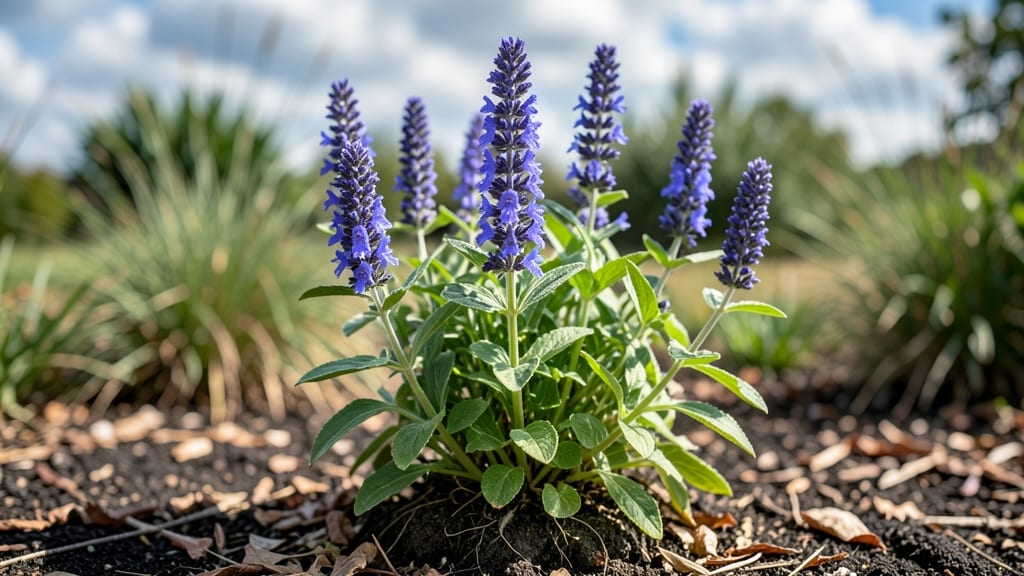
Speedwell blooms in late spring through summer 🌸, turning your garden into a fragrant purple paradise—but only if you plant it at the right time.
Picture this: you’ve just tucked those delicate Speedwell plants into the soil, and now you’re wondering, "When will those iconic spikes finally appear?" The answer isn’t one-size-fits-all, and getting it wrong could mean missing out on weeks of vibrant color and buzzing pollinators.
In Zone 6a, where many gardeners call home, expect your first blooms as early as May, with peak flowering stretching into July or August. But shift a few zones north or south, and those timelines can shift by weeks—sometimes even months.
Below, I’ll break down exactly when to expect those purple spikes in your region, plus the simple tricks to keep them blooming longer—no guesswork required.
Speedwell bloom time by USDA hardiness zone: exact months for purple spikes
Timing your Speedwell (Veronica spp.) planting for those iconic purple spikes depends heavily on your USDA hardiness zone. In colder zones, expect earlier blooms triggered by warmer spring temperatures, while warmer zones may see prolonged flowering through summer.
Understanding these patterns helps you plan for continuous color and pollinator support all season long.
Most Speedwell varieties bloom in late spring to early summer, but exact timing shifts by 1-2 months between zones. For example, Zone 3 gardens might see first blooms in May, while Zone 10 can enjoy them as early as March.
Let’s break down the bloom windows for each zone to help you anticipate when to expect those fragrant purple spikes.
Climate factors like daylength and temperature play key roles. Speedwell is day-neutral, meaning it blooms regardless of daylight hours, but cooler nights often trigger earlier flowering. In warmer zones, blooms may stretch into fall, while colder climates may see shorter, more concentrated bloom periods.
| USDA Zone | First Blooms | Peak Bloom | Late Blooms | Notes |
|---|---|---|---|---|
| Zones 3-4 | Late May | June-July | Early August | Cooler temps delay blooms; prune for rebloom |
| Zones 5-6 | Early May | June-August | Mid-September | Longest bloom duration; deadhead for extended color |
| Zones 7-8 | April | May-July | October | Warmer winters may see winter blooms in mild spells |
| Zones 9-10 | March | April-June | November | Prolonged blooms; may require winter protection |
In Zones 3-4, where winters are harsh, Speedwell often waits until late May to bloom. The first flush appears after soil warms to 55°F, with peak blooms stretching through June and July.
If you live here, prune back spent blooms in early August to encourage a second flush before frost.
Zones 5-6 enjoy the longest bloom duration, with flowers appearing as early as early May and lasting until mid-September. This makes them ideal for cut flower gardens or pollinator-friendly borders. Regular deadheading can extend blooms by 3-4 weeks, ensuring continuous color.
Gardeners in Zones 7-8 get an earlier start, with blooms beginning in April and often lasting until October. The warmer climate allows for prolonged flowering, and some varieties may even rebloom in winter during mild spells. Plant near winter-interest plants like hellebores for year-round appeal.
For those in Zones 9-10, Speedwell blooms can start as early as March and continue until November. The mild winters create an almost continuous bloom cycle, though you may need to protect plants from occasional frosts. Choose heat-tolerant varieties like Veronica incana for best results.
If you’re planting Speedwell for specific bloom times, consider early vs. late varieties. For example, Veronica spicata typically blooms 2-3 weeks earlier than Veronica longifolia. Mixing varieties in your garden ensures color from spring to fall and supports pollinators year-round.
Remember, local microclimates can shift bloom times by 1-2 weeks. A south-facing border may bloom earlier than a north-facing shade garden. Monitor your plants and adjust care—like watering or fertilizing
With the right variety and care, your Speedwell can become a garden staple, offering fragrant purple spikes that brighten borders, containers, and pollinator gardens. Plan ahead using this zone guide, and you’ll enjoy months of effortless beauty with minimal fuss.
How to extend Speedwell bloom time: pruning, deadheading, and seasonal care
Speedwell (Veronica spp.) thrives on consistent care, and the key to longer bloom time lies in understanding its natural growth cycle. These fragrant purple bloomers reward gardeners with continuous flowers when given the right seasonal adjustments.
The secret? A combination of pruning techniques, deadheading strategies, and smart soil management to avoid common pitfalls like over-fertilizing with nitrogen, which can stunt flowering.
Many gardeners mistakenly assume Speedwell blooms will last all season without intervention. In reality, regular maintenance can extend your display by 30-50%. Whether you're growing Veronica spicata or Veronica incana, these practical steps will keep your plants producing vibrant spikes from early summer through fall.
Let's dive into the essential techniques that will transform your garden into a pollinator paradise with lasting color.
Step-by-Step Guide to Extend Speedwell Blooms
- 1 Deadhead spent blooms weekly - Use clean pruning shears to snip off faded flower spikes just above the next set of leaves. This redirects energy to new blooms instead of seed production.
- 2 Light first pruning in early summer - After initial blooming, trim back 1/3 of plant height to encourage bushier growth. Do this when new buds appear at the base of stems.
- 3 Avoid nitrogen-heavy fertilizers - Use balanced 5-10-10 formula instead. Too much nitrogen promotes leafy growth at the expense of flowers. Apply only every 6-8 weeks during growing season.
- 4 Mulch with compost in spring - A 2-inch layer of organic mulch retains moisture while adding nutrients. This supports continuous blooming by preventing soil moisture stress during hot months.
- 5 Water deeply in morning hours - Aim for 1 inch per week, delivered at soil level. Wet foliage encourages fungal diseases, so avoid overhead watering. Consistent moisture prevents bud drop.
One common mistake that shortens Speedwell bloom time is over-pruning in late summer. Cutting back too aggressively after mid-August gives plants insufficient time to develop new flower buds before winter.
Instead, focus on light maintenance pruning to remove only the most leggy stems while preserving the plant's energy reserves for next season.
For Veronica spicata varieties, I've found that combining deadheading with a light fertilizer application every 6 weeks produces the most dramatic results. The key is to stop fertilizing by early September to allow plants to harden off before winter.
This seasonal adjustment prevents tender new growth that might not survive frost, ensuring your Speedwell returns stronger each year.
Remember that well-draining soil is crucial for extended blooming. Amend heavy clay soils with sand or perlite to prevent root rot, which can quickly end a plant's flowering cycle. With these techniques, you'll enjoy continuous purple spikes from June through October—making Speedwell one of your garden's most reliable performers.