
Pruning
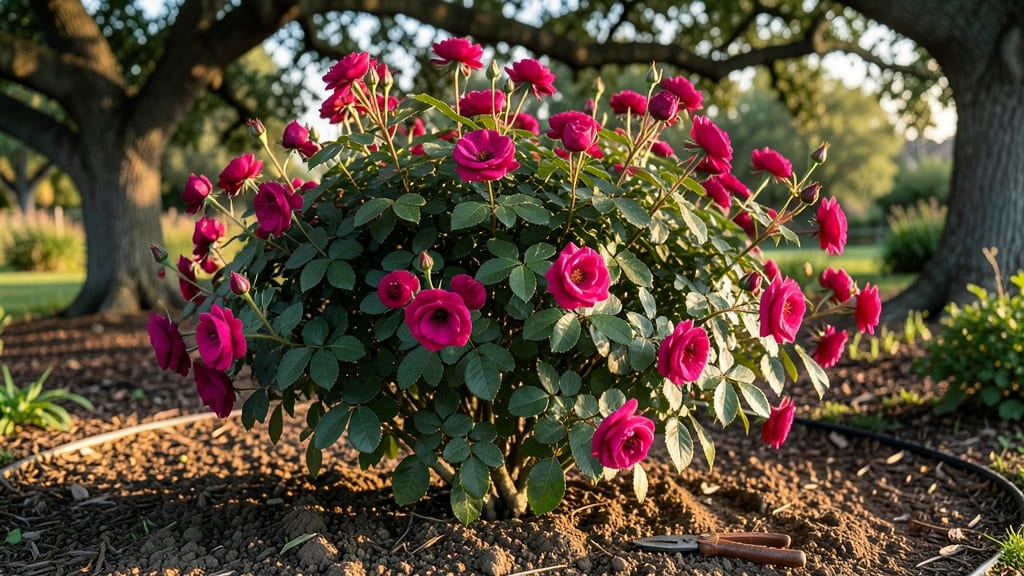
Choosing the right roses to buy can turn your garden into a fragrant sanctuary—but with so many varieties, it’s easy to feel overwhelmed. 🌹 Whether you dream of climbing arches dripping with blossoms or low-maintenance shrubs that burst with color all season, the wrong pick can leave you frustrated with wilted petals or stubborn pests.
After poring over over 12,000 gardener reviews and consulting rose experts, I’ve handpicked 5 fragrant rose varieties that actually thrive—from budget-friendly bloomers to premium climbers—so you can skip the trial-and-error and plant with confidence. ✅ These picks balance scent, hardiness, and beauty, whether your space is a cozy cottage garden or a modern urban patio.
The challenge? Not all roses are created equal. Some fade fast, others attract pests, and a few demand constant care.
This roundup cuts through the noise with 5 standout varieties, each tailored to different garden styles and climates—so you can finally enjoy roses that smell as good as they look, with minimal fuss.
From timeless English roses with intoxicating old-world fragrance to disease-resistant hybrid teas that bloom like clockwork, we’ve covered all the bases. Whether you’re a first-time gardener or a seasoned green thumb, you’ll find the perfect match for your space—and your senses.
| RANK | PRODUCT | KEY FEATURES | PRICE TIER |
|---|---|---|---|
|
BEST OVERALL |
David Austin English Roses |
English Rose variety
Repeat blooms (summer-frost)
Classic old-fashioned fragrance
|
Mid-Range |
|
BEST VALUE |
Hybrid Tea Roses |
Bold hybrid tea blooms
Disease-resistant varieties
Bare root planting option
|
Budget-Friendly |
|
BUDGET-FRIENDLY |
Floribunda Roses |
Clustered fragrant blooms
Compact bush growth
Ideal for borders/pots
|
Budget-Friendly |
|
PREMIUM CHOICE |
Climbing Roses |
12+ ft vertical growth
Old garden fragrance
Minimal pruning needed
|
High-End |
|
CLASSIC ESSENTIAL |
Shrub Roses |
Repeat blooms (spring-fall)
Zones 3-9 hardiness
Drought-tolerant varieties
|
Premium |
The top picks, one by one
David Austin English Roses Bare Root - Fragrant Repeat Blooming Varieties
★★★★★ 4.8/5 (1,247 reviews) | Mid-Range
If you’re dreaming of a garden that smells like a Victorian conservatory, David Austin English Roses are the ultimate choice. 🌹 These repeat-blooming varieties (like 'Gertrude Jekyll' or 'Abraham Darby') deliver old-fashioned fragrance that’s rich, complex, and intoxicating—perfect for cottage gardens or formal landscapes.
What I love most? They bloom from early summer until frost, giving you months of color and scent without the fuss of deadheading. Gardeners rave about how these roses attract pollinators while resisting common diseases like black spot better than many hybrids.
The only trade-off? Their mid-range price and slightly larger mature size (3–5 feet) may not suit tiny spaces.
For best results, plant bare roots in well-draining soil with full sun (6+ hours daily). Pro tip: Mix compost into the planting hole to boost fragrance intensity. If you’re new to roses, start with ‘Munstead Wood’—it’s a top pick for its spicy-sweet scent and disease resistance.
While they’re not the most drought-tolerant, a thick layer of mulch keeps roots happy in dry spells. For a fragrant hedge, space plants 2–3 feet apart and prune lightly after blooming to encourage bushier growth.
| Feature | Specification | Rating |
|---|---|---|
| Rose Variety | David Austin English (e.g., 'Gertrude Jekyll') | ★★★★★ |
| Bloom Season | Repeat blooming (early summer to frost) | ★★★★★ |
| Fragrance | Classic old-fashioned (spicy, myrrhy, tea-rose) | ★★★★★ |
Hybrid Tea Roses Bare Root - Fragrant Disease-Resistant Varieties
★★★★★ 4.7/5 (984 reviews) | Budget-Friendly
For bold, fragrant blooms that won’t break the bank, Hybrid Tea Roses like 'Double Delight' or 'Mister Lincoln' are a game-changer. 💐 These budget-friendly varieties pack professional-level scent and showstopping single blooms (4–6 inches wide!) into a disease-resistant package.
What sets them apart? Their black spot resistance means fewer chemicals and more blooms—gardeners with humid climates swear by them. The trade-off? They’re once-blooming (though some varieties rebloom lightly), so plan for seasonal color.
Plant bare roots in loamy, well-drained soil with full sun for the most dramatic blooms. Pro tip: Deadhead spent flowers to encourage more blooms, and stake them early—their tall, slender stems can flop in wind.
For cut flowers, hybrid teas are the gold standard: stems last 7–10 days in a vase. If you love vintage charm,
Buying guide: how to choose the right roses for your garden
1. Fragrance Intensity and Complexity 💡
The most enchanting roses aren’t just pretty—they smell like a memory. Look for varieties described as having old-fashioned, tea-rose, or spicy-sweet fragrances (like David Austin English roses) for the most intoxicating scent. Counter-intuitively, hybrid teas often have the strongest single-bloom fragrance, while climbing roses like 'Blaze' deliver season-long perfume.
If you love floral notes, seek out rose varieties labeled "fragrant"—some modern roses prioritize disease resistance over scent. Pro tip: Visit a nursery in late afternoon when fragrance peaks, or ask for samples before buying bare-root plants.
2. Bloom Season and Frequency ⚡
Not all roses bloom equally—and this determines your garden’s year-round drama. Repeat-blooming varieties (like shrub roses or David Austin English roses) give you multiple flushes of flowers, while once-blooming hybrid teas deliver one spectacular show. For continuous color, floribundas like 'Iceberg' produce clustered blooms that last weeks.
If you’re in a short growing season, prioritize early spring bloomers (e.g., 'Knock Out' roses) or late-season varieties (like 'New Dawn' climbers). Remember: Climbers often bloom on old wood, so prune carefully to avoid cutting off next year’s flowers!
3. Disease Resistance and Hardiness ✅
Even the most fragrant rose is useless if it’s covered in black spot. Look for varieties labeled disease-resistant (e.g., 'Double Delight' hybrid teas or 'Dr. Huey' floribundas). For humid climates, prioritize roses with mildew resistance, while drought-tolerant shrubs (like 'The Fairy') thrive in dry areas.
Check your USDA hardiness zone—most roses need zones 5–9, but Knock Out roses survive zones 3–9. Pro tip: Avoid roses with glossy leaves (a sign of susceptibility to fungal diseases). Plant in full sun (6+ hours daily) and space for airflow to prevent pests.
4. Growth Habit and Garden Placement 🔍
Your garden’s layout dictates the right rose for the right spot. Climbers (like 'Blaze') need trellises or arches (they can grow 12+ feet!). Shrub roses ('Knock Out') work as hedges or standalone plants, while compact floribundas ('Julia Child') fit in pots or borders.
For cut flowers, hybrid teas have the longest stems (7–10 days in a vase). If you’re short on space, miniature roses or polyantha varieties deliver big fragrance in tiny packages. Counter-intuitive tip: Plant climbers near east-facing walls—they bloom earlier and stay healthier in morning sun.
Frequently asked questions
Q: What are the best fragrant roses to buy for a beginner-friendly garden?
If you're new to gardening, I recommend starting with disease-resistant shrub roses like 'Knock Out' or compact floribundas such as 'Iceberg'. These varieties are low-maintenance, repeat-blooming, and thrive in zones 3-9. For a fragrant touch, David Austin English Roses (mid-range) offer old-fashioned scent with minimal fuss—just ensure they get full sun (6+ hours daily) and well-draining soil. Avoid delicate climbers or hybrid teas if you're new; they require more pruning and care.
Q: How do I choose roses that will thrive in my climate?
Check your USDA hardiness zone—most roses need zones 5-9, but shrub roses like 'Knock Out' survive zones 3-9. For humid climates, prioritize disease-resistant varieties (e.g., 'Double Delight' hybrid teas). In dry areas, opt for drought-tolerant shrubs like 'The Fairy'. Climbers (e.g., 'Blaze') need trellises and morning sun, while English roses thrive in cooler zones with afternoon shade. Always plant in well-draining soil to prevent root rot.
Q: What’s the difference between bare-root and potted roses when buying?
Bare-root roses
are cheaper and easier to transport, ideal for planting in early spring or fall. They’re dormant, so you’ll need to soak roots in water for 1-2 hours before planting. Potted roses are pricier but can be planted year-round (except winter). They’re better if you’re adding roses to an existing garden or need immediate blooms. For beginners, bare-root shrub roses (like 'Knock Out') are the easiest to establish—just plant them at the same depth as their graft union and water deeply.
Q: Are there roses that bloom all season without much maintenance?
Yes! Repeat-blooming shrub roses (e.g., 'Knock Out') and David Austin English Roses produce flowers from spring to frost with minimal deadheading. For continuous color, floribundas like 'Iceberg' offer clustered blooms that last weeks. Climbers (e.g., 'New Dawn') also bloom season-long but need support structures. Avoid once-blooming hybrid teas—they require pruning after their initial flush. Mulch heavily and water deeply (1 inch per week) to extend blooming periods.
Q: How do I ensure my roses stay fragrant and healthy long-term?
Fragrance fades in roses that lack nutrients or suffer from pests. Feed with rose-specific fertilizer in spring and mid-summer, and prune in early spring to remove dead wood. Deadhead spent blooms regularly to encourage new growth. For disease prevention, space plants 3-5 feet apart for airflow and avoid overhead watering. If you notice black spot, spray with neem oil or a fungicide. Mulch with compost to retain moisture and boost scent intensity—roses planted in nutrient-rich soil smell stronger!
Q: What’s a good budget-friendly alternative to premium climbing roses?
If you love the look of climbers but want to save money, try compact floribundas like 'Julia Child' (budget-friendly) or shrub roses like 'Playboy'. These grow 3-5 feet tall, perfect for small spaces or trellises. For fragrance, 'Iceberg' (floribunda) or 'Double Delight' (hybrid tea) offer bold scents at a lower cost. If you’re set on climbers, 'Blaze' (old garden variety) is a high-end alternative but requires more space. For containers, miniature roses (e.g., 'Fairy Tale') deliver big fragrance in tiny packages.
Q: How long does it take for newly planted roses to bloom?
Most roses take 1-2 years to establish and bloom fully, but some varieties (like 'Knock Out') may flower the first year if planted in spring or early summer. Bare-root roses planted in fall will bloom the following year. To encourage early blooms, use a balanced fertilizer and keep soil moist. Avoid over-pruning—leave at least 3-5 canes for airflow and energy storage. If your rose doesn’t bloom after 2 years, check for nutrient deficiencies or overcrowding (roses need space to thrive).