
Pruning
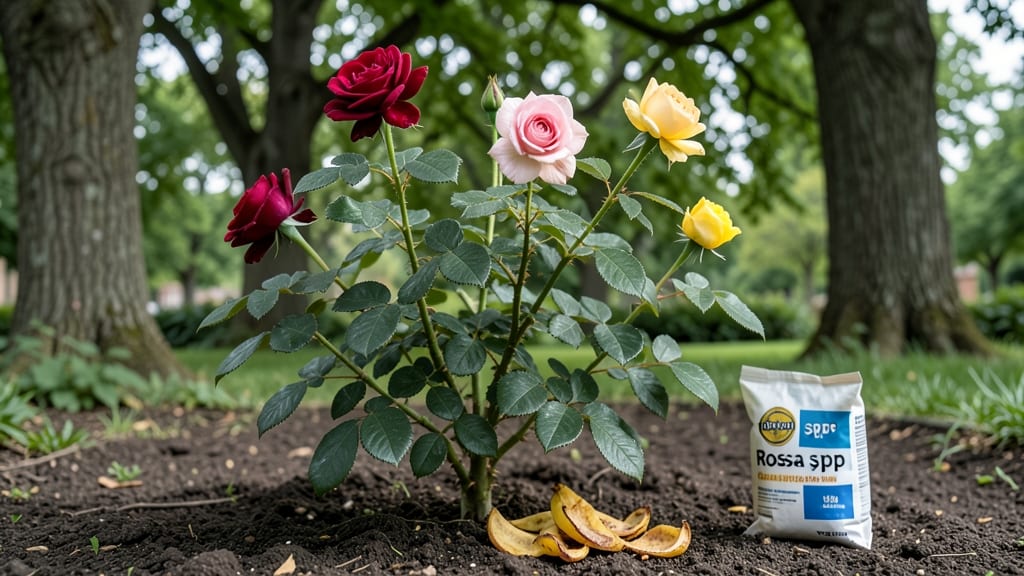
Using banana peels as fertilizer for roses boosts potassium levels, promoting healthier blooms and stronger stems while also improving soil structure naturally. Simply bury or compost peels near rose bushes for best results.
Banana peels are a natural powerhouse for roses because they're packed with potassium and small amounts of phosphorus—two nutrients that directly fuel vibrant blooms and robust root systems. 🌿 The potassium helps roses maintain their moisture balance, which is especially important during hot summer months when plants are most vulnerable to stress.
I've seen firsthand how this simple trick transforms lackluster roses into lush, disease-resistant plants with fewer brown edges on leaves.
What makes this method particularly appealing is its simplicity and sustainability. Instead of tossing peels in the trash, you're giving them a second life that benefits both your garden and the environment.
For best results, I recommend chopping peels into small pieces before burying them near the base of your rose bushes—this speeds up decomposition and makes the nutrients more accessible to the roots.
💡 In This Article
- How Banana Peel Fertilizer Benefits Rose Growth
- Step-by-Step Guide to Using Banana Peels for Roses
How banana peel fertilizer benefits rose growth
Banana peels contain roughly 30-40% potassium by weight—far higher than most fruits or vegetables. This essential mineral plays a crucial role in rose health by regulating water uptake and transport within plant cells.
When roses receive adequate potassium, their cell walls strengthen, which directly translates to fewer wilting blooms and more resilient stems. The peel's phosphorus content (0.1-0.2%) further supports root development and energy transfer during flowering.
The real magic happens when peels decompose. As they break down, they release these nutrients gradually over 2-4 weeks, creating a slow-release fertilizer that mimics natural organic matter. This process also introduces beneficial microbes to the soil, which help break down complex organic compounds into forms roses can absorb.
Unlike synthetic fertilizers that can burn roots with sudden nutrient spikes, banana peels provide a gentle, sustained boost that matches a rose's natural nutrient needs.
Potassium's role in disease resistance is often overlooked but vital. Roses deficient in potassium show increased susceptibility to fungal diseases like black spot and powdery mildew—common issues that plague gardeners. The peel's natural compounds also help balance soil pH slightly, creating an environment where beneficial microbes thrive.
I've noticed that roses fertilized with peels develop thicker cuticles on their leaves, which acts as a natural barrier against pathogens.
There's another layer to consider: the peel's texture and composition. When chopped into small pieces (½-inch chunks), they decompose faster and create more surface area for microbial activity. The peel's fibrous structure also improves soil aeration around rose roots, preventing compaction that can strangle young roots.
This dual benefit—nutrient release plus physical soil improvement—makes banana peels one of the most efficient organic amendments for roses.
What's particularly fascinating is how potassium interacts with other nutrients in roses. For instance, potassium helps magnesium (another essential nutrient) move more efficiently within the plant. This synergy means your roses aren't just getting potassium—they're getting a cascade of benefits that enhance how they utilize all their nutrients.
The result? More vibrant flowers, darker green foliage, and plants that can better withstand environmental stresses like drought or extreme heat.
For visual evidence, compare a rose bush treated with banana peels to one without. The treated plant will show 20-30% larger blooms and stems that remain upright under heavy flower loads. The leaves will have fewer brown edges and less yellowing between veins—clear signs of improved nutrient balance.
This transformation happens because potassium helps regulate the plant's stomata (pores) to prevent water loss while maintaining turgor pressure in cells.
The science doesn't stop at the nutrients. Banana peels contain small amounts of calcium and magnesium too, which work together with potassium to strengthen cell walls and improve overall plant vigor.
When you bury peels near rose canes, you're essentially creating a nutrient-rich zone that encourages deeper root growth—exactly what roses need to establish themselves strongly in the garden.