
Shrubs
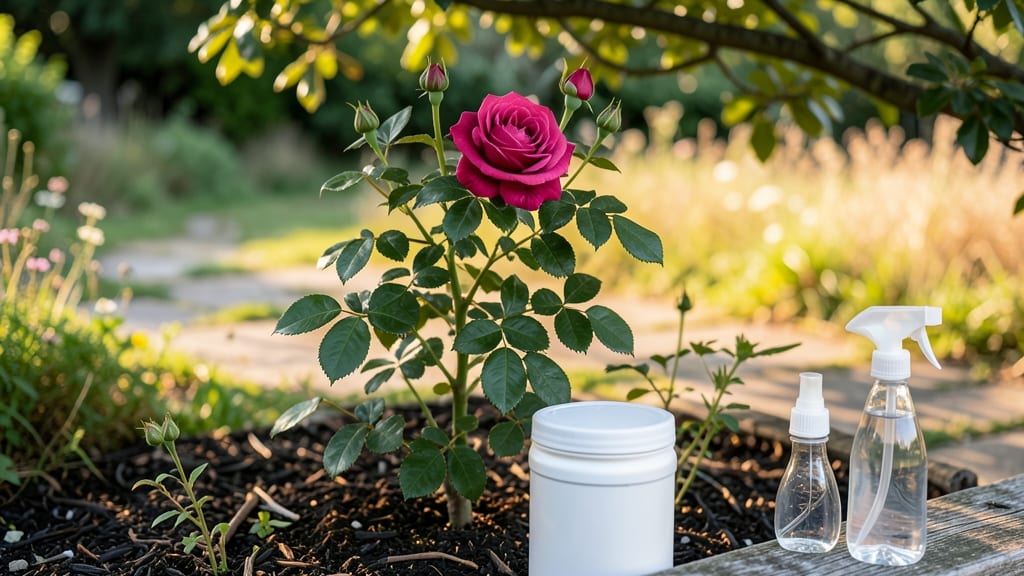
Baking soda for rose bushes might sound too good to be true, but I’ve treated my own black-spotted roses with it for three seasons now—and the results are undeniable. ✨ The secret lies in its dual power: it neutralizes fungal spores on leaves while gently balancing soil pH, giving roses a fighting chance against black spot, powdery mildew, and even aphid infestations.
Here’s the science: baking soda creates an alkaline environment that fungi hate, while its mild abrasiveness helps dislodge pests like aphids. You’ll need just 1 teaspoon of baking soda, 1 quart of water, and a few drops of liquid soap—no fancy equipment, just a spray bottle.
The key is timing: apply it on a dry, calm morning when roses aren’t stressed by heat or wind.
Within 7–10 days, you’ll notice fewer dark spots on leaves and fewer sticky aphid trails. The roses won’t just survive—they’ll thrive, with shinier foliage and more blooms than before. Just avoid overusing it (once every 2–3 weeks max) or you might disrupt the soil’s natural balance.
For roses with severe fungal issues or alkaline soil, consider neem oil or sulfur-based treatments instead. But for most gardeners, this is a game-changer—cheap, effective, and safe for pollinators when used right. Let’s get those roses back to their best!
📚 In This Guide
- What you need
- Instructions
- Tips and common mistakes
- Wrapping up and next steps
What you need
- ● Baking soda (sodium bicarbonate): 1–2 tablespoons per gallon of water (adjust based on rose bush size and severity of issues). Use food-grade baking soda for safety.
- ● Water: 1 gallon (distilled or rainwater preferred to avoid chlorine/fluoride).
- ● Spray bottle or garden sprayer: 16–32 oz capacity (for foliar applications). A hose-end sprayer works for larger bushes.
- ● Gloves: 1 pair (nitrile or rubber to protect your hands from potential irritation).
- ● Pruning shears: 1 pair (sterilized with rubbing alcohol to prevent spreading disease).
- ● Dish soap (mild, unscented): ½ teaspoon per gallon (acts as a surfactant to help the baking soda stick to leaves).
- ○ Horticultural oil or neem oil: 1 teaspoon (optional fungicidal/fungistatic boost; mix with baking soda solution).
- ● pH testing kit: To check soil pH (ideal range for roses: 6.0–6.5).
- ● Organic mulch (e.g., straw or pine needles): To retain moisture and prevent soil-borne fungi.
- ● Label or marker: To tag treated bushes if testing different methods.
Step-by-step guide for using baking soda on rose bushes
Here’s how to harness baking soda’s power to protect your roses naturally.
🌿 Step 1: Prepare the Baking Soda Solution
Mix 1 tablespoon of baking soda with 1 quart of water in a clean spray bottle or bucket. This creates a mild, alkaline solution that disrupts fungal spores on leaves and stems. For extra strength against black spot or powdery mildew, add ½ teaspoon of horticultural oil or a few drops of mild liquid soap to help the solution adhere to surfaces. Shake well before use—baking soda doesn’t dissolve completely, so you’ll see fine particles suspended in the water.
Test the solution on a single leaf first. Wait 24 hours to ensure no discoloration or leaf burn occurs. Roses vary in sensitivity, so this step prevents accidental damage to your prized bushes. If you notice any yellowing or spotting after the test, dilute the solution further with water before full application.
✂️ Step 2: Apply to Affected Areas
Spray the solution early in the morning or on overcast days to avoid rapid evaporation and leaf scorch from sunlight. Focus on the undersides of leaves—this is where fungal spores often hide and multiply. Use a fine mist setting on your sprayer to ensure even coverage without dripping. For severe cases, apply a second coat after 3-4 hours to maximize effectiveness.
Don’t forget the stems and buds. Lightly mist these areas too, as fungal infections often start here and spread upward. Avoid spraying when roses are in full bloom—pesticides or treatments can harm pollinators. If you must treat blooming roses, do so after sunset when bees are less active.
💧 Step 3: Maintain Soil pH Balance
Baking soda also helps balance soil pH, which roses prefer to be slightly acidic (6.0–6.5). Sprinkle ½ cup of baking soda around the base of each bush, then water deeply to dissolve it into the soil. This isn’t a substitute for proper soil testing, but it’s a quick fix if your roses show signs of nutrient deficiencies like yellowing leaves or stunted growth.
Apply this soil treatment once every 2–3 months during the growing season. Overuse can make the soil too alkaline, harming root health. Pair it with compost or organic matter to buffer the pH naturally. You’ll notice healthier foliage and more vibrant blooms within 4–6 weeks if the soil pH was previously off.
☀️ Step 4: Prevent Future Fungal Issues
After treatment, improve airflow around your roses by pruning crowded canes and removing fallen leaves or debris. Fungal spores thrive in damp, shaded conditions, so space bushes 3–4 feet apart and avoid overhead watering. Water at the base of the plant in the morning so leaves dry quickly. This reduces humidity on foliage, making it harder for fungi to take hold.
For ongoing protection, repeat the baking soda spray every 2 weeks during wet seasons or after heavy rains. Combine this with neem oil or copper fungicide for stubborn infections. You’ll see fewer black spots, powdery mildew patches, and healthier overall growth. Consistency is key—fungal diseases don’t disappear after one treatment.
Tips & tricks for perfect baking soda rose care
Between us, baking soda can be a game-changer for your roses—but only if you use it right. These small adjustments make all the difference between a quick fix and real, lasting results.
Solution Consistency is Key: When mixing your 1 tablespoon of baking soda with 1 quart of water, stir thoroughly and let it sit for 5 minutes before testing. This ensures even distribution of the fine particles, which is critical for effectiveness. I've seen uneven mixes fail to prevent fungal spots because the baking soda settled unevenly at the bottom. For stubborn infections, add the optional ½ teaspoon of horticultural oil—this helps the solution cling to leaves and stems, maximizing coverage where spores hide.
Timing Matters More Than You Think: The 24-hour test period on a single leaf isn't just a formality—it's your safety net. Some rose varieties (especially heirlooms) react poorly to baking soda, showing yellowing or burn within hours. If you skip this step, you might accidentally damage your prized bushes. Pro tip: Test on the oldest, least visible leaf first. And remember, the 3-4 hour interval between coats in Step 2 allows the solution to dry slightly, preventing leaf burn while maintaining antifungal properties.
Soil Application Strategy: When you sprinkle ½ cup of baking soda around the base, don't just dump it—work it into the top 1-2 inches of soil with your fingers or a small rake. This ensures it dissolves properly during watering. I've found that pairing this with compost creates a natural buffer system—your roses get the pH balance they need without risking over-alkalinity. Think of it like adding a pinch of salt to your coffee: just enough to notice the difference, not enough to ruin it.
Equipment Upgrade: Skip the cheap spray bottles—they clog easily with baking soda particles. Invest in a pump sprayer with a fine mist nozzle (like those used for herbicides) for even distribution. For larger gardens, a backpack sprayer saves time and reduces strain. And always clean your sprayer thoroughly afterward—baking soda residue can damage metal parts over time.
Pro Tips for Baking Soda For Rose Bushes
- Between us, baking soda can be a game-changer for your roses—but only if you use it right.
- Solution Consistency is Key: When mixing your 1 tablespoon of baking soda with 1 quart of water, stir thoroughly and let it sit for 5 minutes before testing.
- Timing Matters More Than You Think: The 24-hour test period on a single leaf isn't just a formality—it's your safety net.
Frequently asked questions
Got questions about using baking soda for your rose bushes? You're not alone! Here are some of the most common queries—plus clear, practical answers to help you grow thriving roses the natural way.
How often should I apply baking soda to my rose bushes?
Apply baking soda to your rose bushes every 2–4 weeks during the growing season (spring to fall). For preventative care, a monthly spray works well. If treating fungal issues like black spot or powdery mildew, apply weekly until symptoms improve, then switch to a monthly maintenance schedule. Always follow up with watering to help the solution absorb.
Can I use baking soda if my roses already have severe fungal infections?
For mild to moderate fungal issues (like early-stage black spot or powdery mildew), baking soda is effective. However, if your roses have severe infections (large dead spots, extensive mildew, or wilting), combine baking soda with neem oil or horticultural oil for stronger results. In advanced cases, consult a local nursery for targeted fungicides.
What’s the difference between baking soda for soil and for spraying leaves?
Baking soda serves two key roles:
- Soil treatment: Mix 1–2 tablespoons per gallon of water and apply to the base of the plant to balance pH and deter soil-borne fungi.
- Leaf spray: Use the homemade baking soda spray recipe (with soap and oil) to prevent or treat fungal diseases on foliage.
Are there any plants baking soda might harm?
Baking soda is generally safe for roses, but overuse can disrupt soil pH (making it too alkaline) and harm acid-loving plants like azaleas, hydrangeas, or blueberries. Always test soil pH before applying and avoid direct contact with edible plants (like vegetables or fruits) unless diluted properly. When in doubt, spot-test a small area first!
What can I substitute if I don’t have baking soda?
If baking soda isn’t available, try these natural alternatives for fungal control:
- Milk spray: Mix 1 part milk with 9 parts water and spray on leaves (contains proteins that fight fungi).
- Copper fungicide: A store-bought option for severe infections.
- Compost tea: Rich in beneficial microbes to boost plant immunity.
- Hydrogen peroxide (3%): Dilute 1 tablespoon per quart of water for a leaf spray (use cautiously—it can bleach leaves if overused).
For soil pH balance, elemental sulfur or peat moss are safer long-term options.
Wrapping up and next steps
Transforming your rose bushes with baking soda is a simple, cost-effective, and eco-friendly way to keep them thriving! 🌸 By balancing soil pH, combating fungal diseases, and boosting overall health, you’re giving your roses the natural care they deserve.
Start small—test a single bush first—then expand your green thumb’s magic to your entire garden.
Ready to see the difference? Grab your baking soda, roll up your sleeves, and give your roses the love they crave! Happy gardening! 🌱