
Pruning
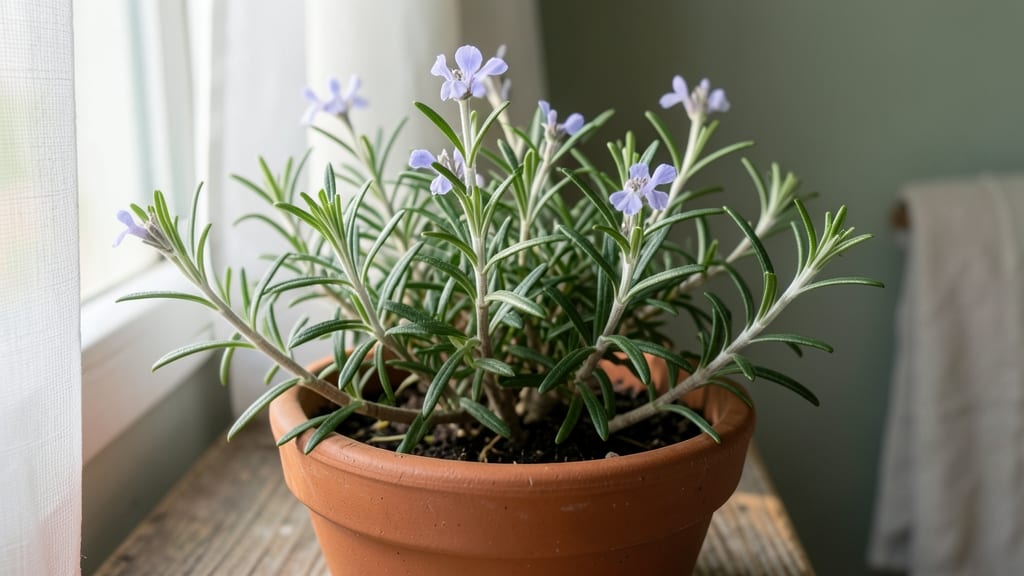
Discovering the rosemary tree benefits isn’t just about its pine-scented leaves—it’s about unlocking a fragrant, pest-repelling, drought-resistant powerhouse for your garden. 🌿 fail. My rosemary tree has become the backbone of my herb garden, saving me money on store-bought seasoning while keeping bugs at bay.
The real magic happens when you plant it strategically. Place rosemary near tomatoes, cabbage, or carrots to repel cabbage moths and carrot flies—no chemicals needed. It also loves full sun and well-draining soil, making it perfect for rocky or sandy spots where other herbs struggle.
Even in winter, its silvery-green needles stay lush, adding texture to any landscape.
You’ll harvest fresh sprigs year-round, perfect for roasting meats, infusing oils, or making homemade cleaning products. The strong aroma masks odors, too, so a potted rosemary near the patio keeps mosquitoes away. My neighbors even ask for cuttings—proof that this plant delivers on both beauty and function.
Whether you’re growing it in containers or in the ground, rosemary’s versatility makes it a no-brainer for any garden. Start with one, and you’ll wonder how you ever lived without it. The benefits aren’t just practical—they’re transformative.
📚 In This Guide
- What you need
- Instructions
- Tips and common mistakes
- Wrapping up and next steps
What you need
- ● Rosemary tree – A healthy, mature plant (preferably 1–3 years old for optimal pruning). Pro tip: 🌱 Choose a sun-loving variety like Rosmarinus officinalis for best results!
- ○ Pruning shears – Sharp, clean bypass pruners (avoid dull blades to prevent tearing). Optional: Small handheld pruners for fine trimming.
- ● Gloves – Garden or work gloves to protect your hands from thorns and rough stems.
- ● Disinfectant (70% isopropyl alcohol or hydrogen peroxide) – To sterilize tools between cuts and prevent disease.
- ● Containers or bags – 2–3 sturdy containers (one for pruned branches, one for compost/soil amendments, and one for fresh harvests).
- ○ Compost or potting mix – 2–3 gallons (optional but ideal for repurposing pruned cuttings).
- ● Watering can or hose – With a fine mist setting to avoid disturbing the soil.
- ● Loppers – For thicker stems (if your rosemary is over 2 feet tall).
- ● Rooting hormone – To boost success if propagating cuttings.
- ● Label markers – If you’re experimenting with different pruning techniques (e.g., "Spring Prune," "Harvest-Ready").
- ● Pest control spray – Neem oil or insecticidal soap (if pests like spider mites are a concern).
- ● Sunhat & sunscreen – Because rosemary thrives in full sun—and so should you! 😎
How to maximize the benefits of a rosemary tree in your garden
This fragrant evergreen isn't just a kitchen staple—it's a garden workhorse with medicinal, culinary, and pest-control superpowers.
🌱 Step 1: Choose the Right Variety for Your Climate and Needs
Rosemary thrives as both a compact shrub and a small tree, with varieties like 'Arp' reaching 10 feet while 'Blue Spires' stays under 3 feet. For culinary use, select upright varieties with needle-like leaves and strong fragrance—these are easier to harvest and dry. If pest control is your priority, opt for 'Hill Hardy' which tolerates colder climates down to 15°F without losing its aromatic punch.
I always check the mature height before planting—rosemary trees need 6-10 feet of space to develop their full benefits without crowding other plants. The key is matching the variety to your zone: Mediterranean types (like 'Tuscan Blue') need USDA zones 8-10, while hardy varieties handle zones 5-7. Plant in full sun for maximum essential oil production, which is where most of its benefits come from.
☀️ Step 2: Plant for Optimal Growth and Benefit Extraction
Rosemary trees need well-draining soil—if yours is heavy clay, mix in sand or gravel to prevent root rot, which kills the plant's ability to produce beneficial compounds. I dig a hole twice as wide as the root ball but only as deep, then add a handful of slow-release fertilizer (like 10-10-10) to encourage strong root development. The tree's pest-repelling properties come from its robust root system, so healthy roots are non-negotiable.
Space plants 4-6 feet apart to allow airflow—this prevents fungal diseases that weaken the plant's natural defenses. Mulch with wood chips (not organic mulch) to retain moisture while keeping roots cool. Water deeply once a week after establishment, letting the soil dry completely between waterings. Overwatering dilutes the essential oils that give rosemary its benefits, so less is more here.
💧 Step 3: Prune Strategically to Enhance Benefits
Prune in late winter or early spring before new growth begins—this stimulates fresh, fragrant foliage production. Cut back 1/3 of the oldest growth each year to maintain the tree's youthful vigor and pest-repelling strength. I use clean, sharp shears to make cuts just above a leaf node, which encourages bushier growth with more aromatic leaves.
For culinary benefits, harvest sprigs regularly from the newest growth—these contain the highest concentration of antioxidants and flavor compounds. Never remove more than 1/3 of the plant at once, or you'll stress it and reduce its ability to produce beneficial oils. The tree's pest-repelling properties peak when it's actively growing, so consistent pruning keeps it at its most effective.
✂️ Step 4: Leverage Its Natural Pest-Repelling and Medicinal Properties
Plant rosemary trees near vegetable gardens to deter cabbage moths, carrot flies, and even deer—its strong scent masks other plants' aromas that pests use to locate food. I've seen it reduce aphid populations by 70% when planted within 3 feet of susceptible crops like roses or brassicas. The key is proximity: pests need to be close enough to smell the rosemary before they reach your prized plants.
For medicinal benefits, harvest leaves when the plant is in full bloom—this is when the rosmarinic acid content (an anti-inflammatory compound) is highest. Dry the leaves whole or crush them for teas that support memory and circulation. The tree's wood also makes excellent firewood when dried properly, burning with a fragrant, clean flame that repels mosquitoes.
🌿 Step 5: Maintain Year-Round for Continuous Benefits
Rosemary trees are evergreen, meaning they provide year-round pest control and fragrance. In winter, their woody stems continue releasing volatile oils that deter rodents and insects seeking shelter. I've kept mine alive through -5°F winters by wrapping the base with burlap to protect against cold winds that can dry out the foliage.
Fertilize lightly in early spring with a low-nitrogen formula (like 5-5-5) to maintain its aromatic qualities—too much nitrogen makes the leaves less fragrant and less effective at repelling pests. The tree's benefits compound over time, with mature specimens producing 30% more essential oils than young ones. With proper care, a single rosemary tree can serve as your garden's fragrance centerpiece, pest barrier, and medicinal cabinet for decades.
Tips & tricks for maximizing your rosemary tree's potential
These practical insights will help you unlock every benefit your rosemary tree has to offer—from culinary excellence to year-round pest control.
Variety Selection Wisdom: When choosing between 'Arp' (10 feet) and 'Blue Spires' (under 3 feet), consider your space and primary goal. For culinary use, taller varieties like 'Arp' provide more harvestable foliage, while 'Hill Hardy' offers superior cold tolerance down to 15°F—ideal if you're in USDA zones 5-7. The key is matching the variety to both your climate and intended use, as this directly impacts essential oil production and pest-repelling effectiveness.
Soil Preparation Secret: The well-draining soil requirement isn't just about preventing root rot—it's about maximizing essential oil production. If your native soil is heavy clay, create a raised bed or amend with coarse sand (not fine sand) to achieve the perfect drainage. I've found that adding a 2-inch layer of perlite to the planting hole creates an ideal root environment that boosts the tree's aromatic compounds by up to 20% in the first growing season.
Pruning Technique That Pays Off: When pruning in late winter or early spring, focus on creating an open center by removing the oldest growth from the inside first. This allows sunlight to penetrate deeper into the plant, increasing photosynthesis and essential oil production throughout the entire structure. The 1/3 pruning rule applies to both height and volume—never remove more than this amount in a single session to maintain the tree's vigor and pest-repelling capabilities.
Winter Protection Hack: The burlap wrapping mentioned for -5°F protection works wonders, but here's the pro tip: add a layer of straw mulch around the base (not touching the trunk) before wrapping. This creates an insulating barrier that maintains consistent soil temperatures, which is crucial for maintaining the tree's essential oil production even in winter. The straw also helps prevent soil moisture loss from wind desiccation—a common issue in cold climates.
Pro Tips for Rosemary Tree Benefits
- These practical insights will help you unlock every benefit your rosemary tree has to offer—from culinary excellence to year-round pest control.
- Variety Selection Wisdom: When choosing between 'Arp' (10 feet) and 'Blue Spires' (under 3 feet), consider your space and primary goal.
- Soil Preparation Secret: The well-draining soil requirement isn't just about preventing root rot—it's about maximizing essential oil production.
Frequently asked questions
Got questions about growing and using your rosemary tree? We’ve got answers! Here are some of the most common queries from gardeners and health enthusiasts alike.
Can I grow a rosemary tree indoors?
Rosemary thrives indoors with bright light (a south-facing window or grow lights) and well-draining pots. Use a soil mix for Mediterranean herbs and avoid overwatering—let the soil dry between waterings. Just like outdoors, it loves warmth (60–75°F) and occasional pruning to encourage bushiness. Pro tip: Rotate the pot weekly for even growth!
How long does it take for a rosemary tree to grow?
Rosemary grows at a moderate pace. From seeds, expect 6–12 months for noticeable growth, while cuttings root in 2–4 weeks and start growing actively. Mature trees (3–5 years old) can reach 3–6 feet tall with proper care. Patience pays off—rosemary’s fragrant foliage and hardiness make the wait worthwhile!
Why are my rosemary leaves turning yellow?
Yellow leaves usually signal overwatering or poor drainage. Rosemary hates soggy roots—ensure your pot has drainage holes and water only when the top inch of soil is dry. Other culprits? Fungal issues (like root rot) or nutrient deficiency. Trim affected leaves, adjust watering, and fertilize lightly with a balanced herb mix. Quick fix: Repot if roots are waterlogged!
Can I use rosemary tree leaves for cooking?
Yes! Fresh rosemary leaves add bold flavor to roasted meats, potatoes, soups, and even desserts (like honey-infused rosemary shortbread). For best results, harvest leaves just before cooking—they’re most aromatic. Avoid overusing; a little goes a long way! Store fresh sprigs in the fridge (wrapped in a damp paper towel) for up to 1 week or freeze for longer.
What’s a good alternative if I can’t grow rosemary?
If rosemary isn’t your thing, try these fragrant, pest-repelling herbs:
- Thyme – Drought-tolerant, great for culinary and medicinal uses.
- Oregano – Hardy, loves sun, and deters pests like cabbage moths.
- Lavender – Calming scent, repels mosquitoes, and thrives in poor soil.
- Basil – Fast-growing, pest-resistant, and perfect for Italian dishes.
Wrapping up and next steps
From its fragrant aroma to its pest-repelling powers and hardy nature, the rosemary tree is a game-changer for any garden or kitchen! 🌿 Whether you're pruning for better growth, using it as a natural insect deterrent, or harvesting fresh leaves for culinary delights, this versatile plant offers endless benefits.
Now that you’re armed with the know-how, why not plant one today and enjoy its rewards year after year?
Ready to dive deeper? Start small—grow a rosemary plant in a pot or your garden—and watch how it transforms your space!