
Planting
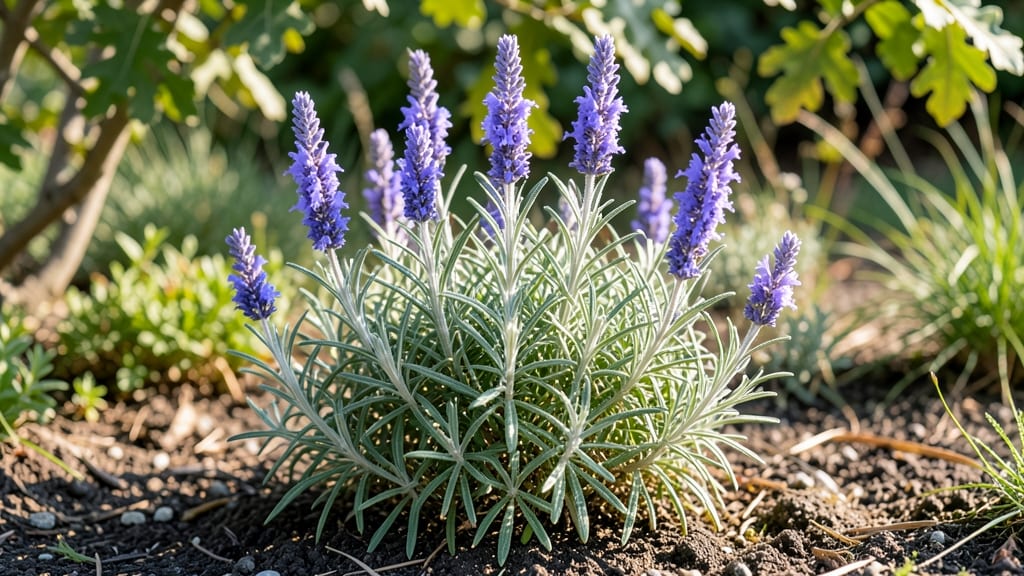
Growing a purple rosemary plant transforms your garden into a fragrant, year-round showstopper. 🌿 Unlike its green cousin, this variety boasts striking lavender-blue foliage and delicate flowers that bloom from late winter through fall—even in cold climates.
The key to success? Mimicking its Mediterranean roots with well-draining soil and plenty of sunlight.
Start with a sunny spot (at least 6 hours of direct sun daily) and soil that drains like a sandy beach—purple rosemary hates soggy roots. A 3-5 gallon pot works for containers, while in-ground plants spread 3-5 feet wide over time.
Water deeply but infrequently; let the soil dry out completely between waterings to prevent root rot.
Pruning keeps it compact and bushier: trim back leggy growth in early spring and again after flowering. The fragrance alone is worth it—crush a sprig to release its piney, citrusy scent—but you can also harvest sprigs for culinary uses (it’s milder than green rosemary).
Advanced gardeners can propagate cuttings in summer for free plants, while beginners will love how drought-tolerant and low-maintenance this variety is. Perfect for borders, rock gardens, or even as a fragrant ground cover under trees.
📚 In This Guide
- What you need
- Instructions
- Tips and common mistakes
- Wrapping up and next steps
What you need
- ● Purple rosemary plant (1-3 plants, depending on desired coverage)
- ● Well-draining potting mix (for containers) or sandy, alkaline soil (for in-ground planting)
- ○ Containers (optional but recommended) – 12-18" pots with drainage holes (1-2 plants per pot)
- ● Organic compost or slow-release fertilizer (balanced 10-10-10 or rosemary-specific blend)
- ○ Mulch (optional) – Gravel or pebbles to retain moisture and improve drainage
- ● Garden trowel or small shovel (for planting)
- ○ Gloves (optional) – To protect hands from prickly stems
- ● Watering can or hose with a gentle spray nozzle
- ● Sunny location – At least 6-8 hours of full sun daily (partial shade tolerated in hot climates)
- ● Drought tolerance knowledge – Purple rosemary thrives with minimal watering once established!
How to grow a thriving purple rosemary climber
This striking variety needs just a few key adjustments to flourish—let's get your fragrant climber established.
🪴 Step 1: Select the Right Container and Soil Mix
Purple rosemary thrives in well-draining containers with at least 12 inches of depth and multiple drainage holes. I recommend unglazed terra cotta pots because they wick away excess moisture—rosemary roots rot quickly in soggy soil. Choose a container that's 18-24 inches wide for each plant, giving roots room to spread.
Fill the bottom third with coarse gravel or perlite to create a drainage layer, then add a high-quality cactus/succulent mix blended with 30% coarse sand. This ensures water drains rapidly while retaining just enough moisture. Press the mix down gently to remove air pockets, then water thoroughly until it runs freely from the drainage holes.
☀️ Step 2: Position for Maximum Sun Exposure
Purple rosemary demands full sun exposure—at least 6-8 hours daily. Place your container in a south-facing location where it receives unfiltered light. If growing in partial shade, expect slower growth and less vibrant foliage. I've found that morning sun with afternoon shade works in hot climates, but the purple hues will be more muted.
For climbers, install a sturdy trellis or obelisk nearby. Rosemary's woody stems need support to grow upright—without it, branches sprawl and become leggy. Secure the plant with soft garden twine tied loosely around the main stems, leaving room for growth. Watch for new shoots emerging along the stems; these will naturally cling to the support as they mature.
💧 Step 3: Water Sparingly and Fertilize Lightly
Water only when the top 2 inches of soil feel completely dry. Purple rosemary is drought-tolerant once established, but young plants need consistent moisture. I water deeply once a week in summer, letting excess drain completely—never leave saucers of standing water. Overwatering causes root rot, which is fatal for this variety.
Feed with a balanced liquid fertilizer (10-10-10) diluted to half strength every 6-8 weeks during growing season. Too much fertilizer promotes leafy growth at the expense of aromatic foliage. I skip fertilizing entirely in winter when growth slows. Prune back any leggy growth after flowering to encourage bushier, more compact growth.
✂️ Step 4: Prune for Shape and Encourage Blooms
Prune in early spring to shape the plant and remove any dead or woody stems. Cut back one-third of the previous year's growth to stimulate new, vibrant purple shoots. Use clean, sharp pruners to make cuts just above a leaf node—this encourages branching. I avoid heavy pruning in fall, as the plant needs time to harden off before winter.
Deadhead spent flowers regularly to prolong blooming. The more you prune, the bushier and more fragrant the plant becomes. Purple rosemary blooms year-round in mild climates, but heavy pruning in late summer can trigger a second flush of flowers before winter. Never prune into old wood—new growth only emerges from the current year's stems.
⏰ Step 5: Protect During Winter Dormancy
Purple rosemary tolerates light frosts but needs protection when temperatures drop below 20°F. Move containers to a sheltered location like a garage or under an eave, where they're protected from wind but still receive light. I wrap the pots in bubble wrap to insulate roots and prevent cracking from temperature fluctuations.
Reduce watering to once every 3-4 weeks during dormancy. The plant enters a natural rest period, and overwatering can suffocate roots. In early spring, resume regular care as new growth appears. You'll notice fresh purple shoots emerging from the base—this is your signal to resume pruning and fertilizing.
Tips & tricks for perfect purple rosemary climber
Took me years to master these purple rosemary secrets—here's what nobody tells you about keeping it thriving.
Container Selection: The 18-24 inch wide container isn't just about space—it's about airflow. I've seen rosemary plants in smaller pots develop fungal issues because the center stayed too damp. If you're limited on space, opt for a shallower but wider pot (24 inches wide, 10 inches deep) to maximize surface area for root spread. The key is maintaining that perfect drainage while allowing roots to breathe.
Sunlight Strategy: That 6-8 hours of daily sun is non-negotiable, but here's the trick: rotate your container every 2-3 weeks. Plants grow toward the light, so they'll lean if not rotated, creating uneven growth. I mark the rotation direction with a pencil on the pot rim to keep track. This also prevents one side from becoming leggy while the other stays compact.
Pruning Precision: When you're cutting back one-third of last year's growth in Step 4, focus on the oldest stems first. These are the ones that won't regrow if pruned too aggressively. I always make my cuts at a 45-degree angle just above a leaf node—this prevents water from pooling on the cut and creates a larger surface area for new growth. Use sterilized pruners every time to avoid introducing pathogens.
Winter Protection: The 20°F threshold is critical, but don't stop at just moving the plant. I double-wrap containers in bubble wrap, then place them on a bed of straw or leaves for extra insulation. This creates a microclimate that can protect roots down to about 15°F. The bubble wrap also prevents temperature fluctuations that cause pot cracking—a common winter issue with terra cotta.
Pro Tips for Purple Rosemary Plant
- Took me years to master these purple rosemary secrets—here's what nobody tells you about keeping it thriving.
- Container Selection: The 18-24 inch wide container isn't just about space—it's about airflow.
- Sunlight Strategy: That 6-8 hours of daily sun is non-negotiable, but here's the trick: rotate your container every 2-3 weeks.
Frequently asked questions
How do I propagate purple rosemary from cuttings?
Propagating purple rosemary is easy! Take 4-6 inch tip cuttings in spring or early summer, strip the lower leaves, and dip in rooting hormone. Plant in well-draining soil and keep moist (not soggy) under bright, indirect light. Roots typically form in 3-4 weeks. Pro tip: Use a clear plastic bag to create a humid microclimate!
When is the best time to prune purple rosemary?
Prune in early spring (before new growth starts) or after blooming to shape the plant and encourage bushier growth. Avoid heavy pruning in late summer—it can stunt fall blooms. Use clean, sharp shears and trim back by 1/3 to maintain its climbing form. Warning: Never prune into old wood, as it won’t regrow!
Can purple rosemary survive winter outdoors?
In USDA zones 8-10, purple rosemary is hardy year-round. For colder climates (zones 7 and below), mulch heavily and protect with burlap or move pots indoors before temps drop below 20°F. If grown as an annual, enjoy its blooms until frost, then take cuttings to propagate for next year. Fun fact: Its silvery foliage adds winter interest!
Why isn’t my purple rosemary blooming?
Lack of blooms often signals over-fertilizing (rosemary thrives on lean soil) or too much shade. Ensure it gets 6+ hours of sun daily and prune spent flowers to encourage new buds. If roots are bound, repot or trim roots gently. Bonus: A light trim after flowering can trigger a second bloom cycle!
What’s the difference between purple rosemary and regular rosemary?
Purple rosemary (Rosmarinus officinalis ‘Prostratus’) has lavender-purple foliage and a trailing growth habit, while traditional rosemary (Rosmarinus officinalis) is upright with green leaves. Both have similar care needs, but purple rosemary is prized for its ornamental value and slightly sweeter aroma. Great for: Ground cover, hanging baskets, or edging!
Wrapping up and next steps
The purple rosemary plant is a stunning, low-maintenance addition to any garden, offering year-round beauty, fragrance, and versatility. Whether you’re drawn to its vibrant blooms, culinary uses, or aromatherapy benefits, this fragrant climber is a game-changer for both beginners and seasoned gardeners.
Ready to transform your space? Start by gathering your supplies and follow the simple steps to grow your own—your garden (and senses!) will thank you.
🌱 Next step: Pick a sunny spot, grab your purple rosemary, and let the magic unfold! 🌿