
Pests
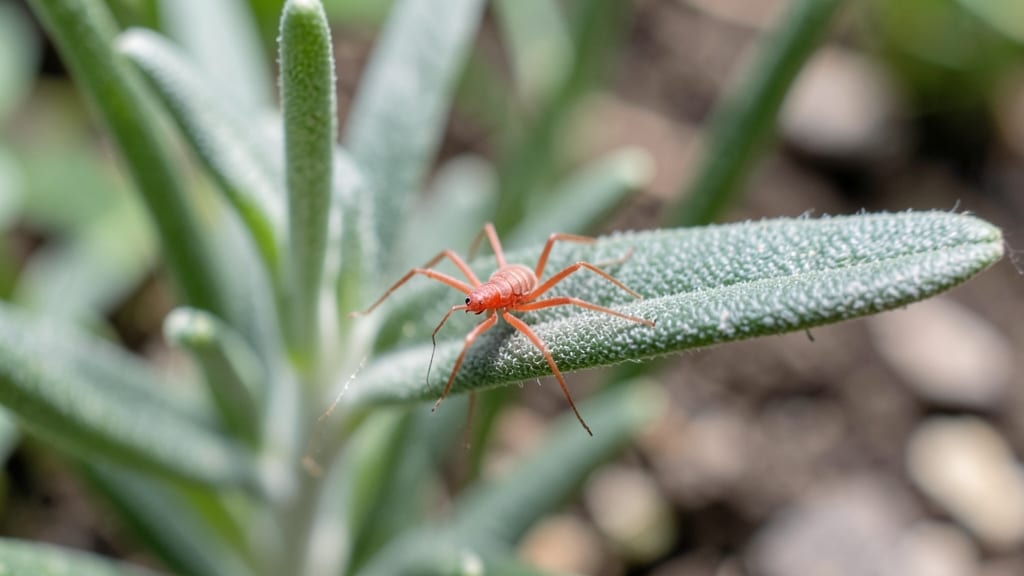
Spider mites on rosemary turn your fragrant herb into a dusty, webbing-covered mess—unless you act fast. 🌿 I’ve battled these tiny pests on my rosemary bushes, and the good news is you can stop them in their tracks with three simple organic steps that work even on delicate herbs.
The key? Spotting them early and treating them before they suck the life out of your plants.
These microscopic critters thrive in dry, dusty conditions, which is why rosemary—especially in containers—often becomes their favorite snack. You’ll know you’ve got a problem when you see fine webbing on stems or tiny yellow specks moving across leaves.
Most people reach for harsh chemicals, but those can harm your rosemary’s flavor and health. Instead, I’ll show you how to use household-friendly solutions that actually work.
By the end of this, your rosemary will be thriving again—with stronger fragrance, lush green leaves, and no more sticky webbing. The best part? These methods prevent future infestations, so you won’t have to repeat the process. Let’s get your rosemary back to its aromatic best without the guesswork.
Whether you’re dealing with a full-blown infestation or just want to protect your plants, these foolproof techniques adapt to any rosemary variety—upright, prostrate, or even potted. No more losing your favorite herb to tiny pests. Ready to rescue your rosemary?
Root Causes of Rosemary Infestations
Spider mites may seem like tiny, harmless nuisances, but they thrive on rosemary for very specific reasons. Understanding these triggers is the first step to reclaiming your fragrant herb garden. Let’s break down the science behind why these pests target rosemary—and how to address the underlying issues.
Rosemary is a hardy Mediterranean plant, but even it struggles when conditions become too harsh.
Spider mites are attracted to plants under water stress, which occurs when rosemary is: - Underwatered (soil dries out quickly, especially in pots or sandy soil). - Overheated (direct sun without adequate moisture leads to wilting). - Exposed to dry air (low humidity from indoor heating or arid climates).
Why it matters: When rosemary wilts, its leaves produce volatile organic compounds (VOCs) that signal distress. Spider mites detect these chemicals and flock to weakened plants for an easy meal. Additionally, drought-stressed plants have reduced sap pressure, making it easier for mites to pierce leaf cells and feed on chlorophyll.
Actionable insight: 💡 Monitor soil moisture by sticking your finger 1–2 inches deep—if it’s bone-dry, water deeply. Mulch around the base to retain moisture, and consider moving potted rosemary to a shadier spot during peak afternoon heat.
Spider mites prefer stressed, crowded, or nutrient-deficient rosemary because:
- Poor air circulation (tightly packed plants or thick foliage trap heat and humidity, creating a mite-friendly microclimate).
- Nutrient deficiencies (lack of phosphorus or potassium weakens leaves, making them easier targets).
- Old or damaged growth (yellowing, curling, or dead leaves provide ideal hiding spots).
Why it matters: Mites thrive in environments where their natural predators (like ladybugs or lacewings) can’t access them. Dense foliage also shields them from sprays and manual removal. Over time, the mites reproduce rapidly—females lay 20–30 eggs daily in ideal conditions—escalating the infestation.
Actionable insight: 🌿 Prune rosemary regularly to improve airflow, and fertilize lightly with a balanced organic fertilizer (e.g., fish emulsion) to boost resilience. Avoid over-fertilizing with nitrogen, which promotes soft, mite-attractive growth.
Spider mites don’t always invade rosemary on their own—they often hitchhike from nearby plants or spread via wind.
However, their populations explode when: - Beneficial insects are absent (e.g., no ladybugs, predatory mites, or parasitic wasps). - Chemical pesticides have been used (these kill both pests and their natural enemies). - Monoculture gardening (planting only rosemary limits biodiversity, reducing predator habitats).
Why it matters: In a balanced ecosystem, predators keep mite populations in check. But when rosemary is isolated or chemically treated, mites multiply unchecked, turning a minor issue into a full-blown outbreak within weeks.
Actionable insight: 🌱 Introduce companion plants like marigolds, basil, or dill to attract predator insects. If mites are already present, avoid harsh sprays and opt for neem oil or insecticidal soap, which are less toxic to beneficial bugs.
Indoor or urban rosemary plants are often exposed to:
- Dust and pollen (clogging leaf pores, reducing photosynthesis).
- Artificial lighting (can stress plants, making them more susceptible to pests).
- Polluted air (ozone or sulfur dioxide weaken leaves, inviting mites).
Why it matters: Dust acts like a protective shield for mites, blocking sprays and making them harder to spot. Weakened leaves also produce less rosmarinic acid (a natural antimicrobial compound), leaving rosemary vulnerable.
Actionable insight: 🧼 Gently wipe leaves with a damp cloth to remove dust, and ensure good ventilation. If growing indoors, use LED grow lights (which emit less heat) and avoid placing rosemary near air pollutants like stoves or heaters.
How to Fix It Naturally
Spider mites on rosemary can feel like a losing battle, but with the right approach, you can reclaim your fragrant herb garden—without harsh chemicals. The key is acting fast, targeting the root causes, and preventing future outbreaks.
Below, we break down practical, organic solutions tailored to the most common triggers, so you can restore your rosemary’s health in 3 simple steps (or fewer!).
Cause: Spider mites thrive in dry, cramped conditions where rosemary can’t recover. Fix:
- 🌿 Trim aggressively: Cut back overgrown stems by ⅓ to improve airflow. Focus on dense areas where mites hide.
- 💦 Water at the base: Avoid wetting leaves (which attracts mites). Use drip irrigation or a watering can with a narrow spout to deliver moisture directly to the soil.
- 🌞 Move to sunlight: Place rosemary in full sun (6+ hours/day)—mites hate humidity and prefer shady, dry spots.
💡 Pro Tip: If your rosemary is potted, repot in well-draining soil (mix in perlite or sand) to prevent root stress, a mite magnet.
Cause: You’ve spotted webbing or tiny moving dots (mite eggs or adults) on leaves. Fix:
- 🔪 Neem oil spray (best for heavy infestations):
- Mix 1 tsp neem oil + 1 tsp mild soap (like castile) + 1 quart water.
- Spray both sides of leaves in the early morning or evening (avoid direct sun—it burns foliage).
- Repeat every 5–7 days for 2–3 weeks to break the mite life cycle.
- 🥘 Garlic or chili pepper spray (repellent + mild pesticide):
- Blend 3 garlic cloves + 1 tsp cayenne pepper + 1 quart water. Strain and spray on leaves.
- Why it works: Mites hate the smell, and capsaicin disrupts their exoskeletons.
⏰ Timing Matters: Apply sprays after watering so they stick better. Reapply after rain.
Cause: Mites keep returning because their favorite conditions persist. Fix:
- 🌡️ Boost humidity (naturally):
- Place a shallow tray of water + pebbles near potted rosemary (evaporation raises humidity).
- Group plants together to create a microclimate mites dislike.
- 🎯 Introduce predator allies:
- Ladybugs or lacewings (buy online or attract with dill or fennel plants nearby).
- Release them at dusk when mites are most active.
- 🌿 Rotate crops: If growing rosemary in the ground, interplant with basil or marigolds—their strong scents deter mites.
✨ Bonus Hack: Rubbing alcohol wipe-down (70% isopropyl alcohol on a cotton swab) kills mites on contact. Use sparingly on stubborn clusters.
🚨 Emergency Move: If infestation spreads despite treatment, isolate the plant and quarantine it for 2 weeks while treating. Check nearby plants—they’re likely next!
Remember: Patience is key. Mites reproduce every 3–7 days, so consistency wins. With these steps, your rosemary will bounce back faster than you think—and stay mite-free for good! 🌿✨
Frequently asked questions
How do I know if my rosemary has spider mites?
Look for tiny yellow specks moving across leaves (use a magnifying glass), fine webbing between stems, or leaves that look speckled or dusty. Check the undersides of leaves first—mites love hiding there. If leaves are curling or turning brown, it’s often a late-stage sign.
Will pruning my rosemary help stop spider mites?
Pruning removes hiding spots and improves airflow, which mites hate. Cut back ⅓ of the plant, focusing on dense areas where you see webbing. Prune in the morning so cuts dry quickly, and always sterilize your pruners with rubbing alcohol to avoid spreading mites.
Can I use dish soap to treat spider mites on rosemary?
Yes, but use it carefully! Mix 1 tablespoon mild dish soap (like Dawn) with 1 quart water and spray lightly on leaves. Avoid getting soap on the soil—it can harm beneficial microbes. Test on a small leaf first, as some rosemary varieties are sensitive. Reapply every 3–5 days for best results.
Why do spider mites keep coming back after treatment?
Mites reproduce quickly—females lay 20–30 eggs daily—so inconsistent treatment is the #1 reason they return. Focus on fixing the root cause (like dry conditions or poor airflow) and apply treatments every 5–7 days for 3 weeks to break their life cycle. Check nearby plants too—they’re likely infested too.
Is neem oil safe for all rosemary varieties?
Neem oil is generally safe, but avoid using it on stressed or wilted rosemary—it can burn delicate leaves. For sensitive varieties, dilute it further (use ½ teaspoon neem oil per quart water) and apply in the evening. Always test a small area first, especially for prostrate or dwarf rosemary types.