
Container Gardens
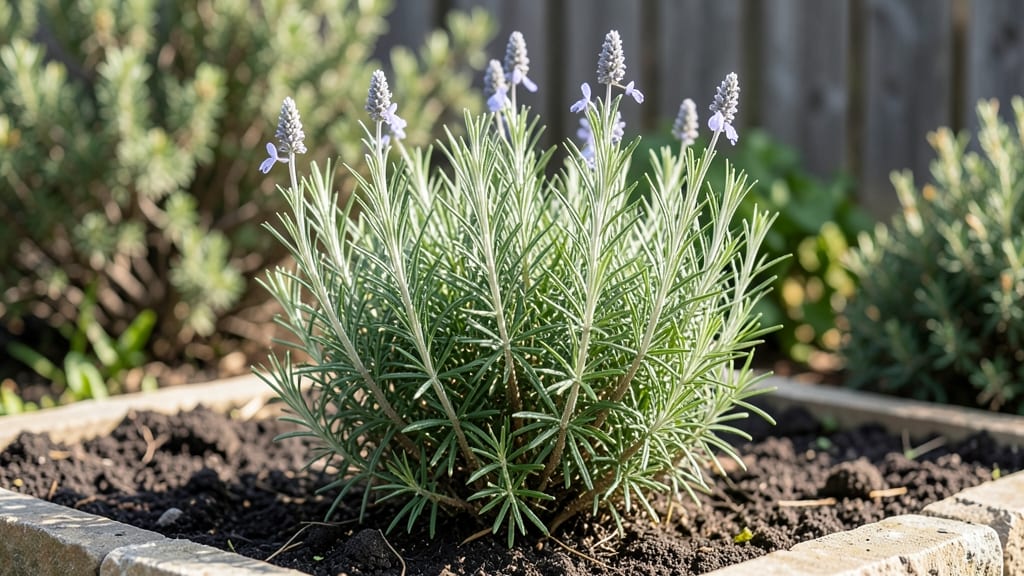
Rosemary in Vietnamese is called hương thủy (香水), a fragrant herb widely used in cooking, traditional medicine, and aromatic gardening for its pine-like scent and culinary versatility.
In Vietnamese culture, hương thủy carries deep significance beyond its culinary uses. 🌿 The name itself reflects its aromatic essence—"fragrant water"—while in traditional medicine (thuốc nam), it's prized for its digestive benefits and stress-relieving properties.
Many Vietnamese households grow it in compact gardens or even window boxes, where its needle-like leaves thrive in the warm, humid climate.
What makes it unique is how Vietnamese chefs often blend it with lemongrass and fish sauce for dishes like canh chua (sour soup), creating flavors that feel distinctly Southeast Asian.
The herb's adaptability extends to modern Vietnamese gardens, where it's frequently paired with basil and mint. Unlike Western rosemary, which is often used sparingly, Vietnamese cooks embrace its bold pine aroma, adding it generously to marinades and stir-fries.
This cultural appreciation stems from centuries of herbal traditions where hương thủy wasn't just food—it was medicine, ritual, and daily comfort all in one.
💡 In This Article
- The Meaning and Cultural Significance of Hương Thủy
- Growing and Using Hương Thủy in Vietnamese Gardens
The meaning and cultural significance of hương thủy
The name hương thủy (香水) literally translates to "fragrant water," reflecting how Vietnamese culture perceives rosemary's essence. Unlike Western associations with "herb of remembrance," Vietnamese folklore links it to purity and protection.
Ancient texts describe it as a cleansing agent in rituals, often burned alongside hương (incense) during Tet celebrations to ward off evil spirits. The "water" in its name also hints at its traditional use in herbal infusions—boiling fresh sprigs to create a digestive tonic still popular in rural regions.
In thuốc nam (traditional Vietnamese medicine), hương thủy holds a unique position as both a culinary and therapeutic herb. Studies show its active compounds—like rosmarinic acid—help improve circulation and reduce muscle tension, making it a staple in post-labor recovery teas.
Vietnamese herbalists often combine it with ginger and turmeric for joint health, creating blends where the pine notes complement the warming spices.
What's fascinating is how the herb's medicinal properties align with its culinary uses: the same compounds that aid digestion also enhance flavor in dishes like bún chả (grilled pork noodle soup).
The herb's cultural symbolism extends to Vietnamese festivals where it represents resilience. During Tết Nguyên Đán, families place small rosemary bundles in homes to symbolize enduring strength—a nod to how the plant thrives in Vietnam's humid climate despite requiring minimal care.
The practice stems from ancient agricultural wisdom: rosemary's ability to grow in poor soil made it a metaphor for perseverance. In modern Vietnamese gardens, this symbolism lives on as homeowners plant it near doorways, believing its scent repels negative energy while inviting prosperity.
What sets Vietnamese rosemary use apart is the herb's role in món ăn gia truyền (family heirloom dishes).
Unlike Western recipes that treat rosemary as a garnish, Vietnamese chefs incorporate it as a primary flavor—think of the bold pine aroma in cà ri gà (chicken curry) or the fresh sprigs in lẩu cá (fish hotpot).
The key difference lies in preparation: Vietnamese cooks often bruise the leaves to release essential oils, creating a more intense flavor profile than simply adding whole sprigs. This technique reflects a deeper cultural appreciation for extracting maximum aromatic potential.
For those curious about pronunciation, hương thủy is typically pronounced "hoong thway" with a soft "y" ending, similar to how Vietnamese handles French loanwords. The name's Chinese character roots (香水) reveal its historical trade connections—rosemary arrived via ancient spice routes where it was valued for both scent and medicinal properties.
Today, you'll find it in markets alongside lemongrass and kaffir lime, forming the aromatic backbone of Vietnamese cuisine.
Consider these cultural distinctions when using hương thủy:
- Dosage: Vietnamese recipes often use 2-3 times more rosemary than Western equivalents due to its stronger aroma in humid climates
- Pairings: Traditionally combined with fish sauce and black pepper for umami depth
- Symbolism: Serving rosemary-infused dishes during family gatherings carries wishes for longevity
The herb's dual role as both medicine and food perfectly captures Vietnamese culinary philosophy where nutrition and ritual intertwine. 🌿