
Watering
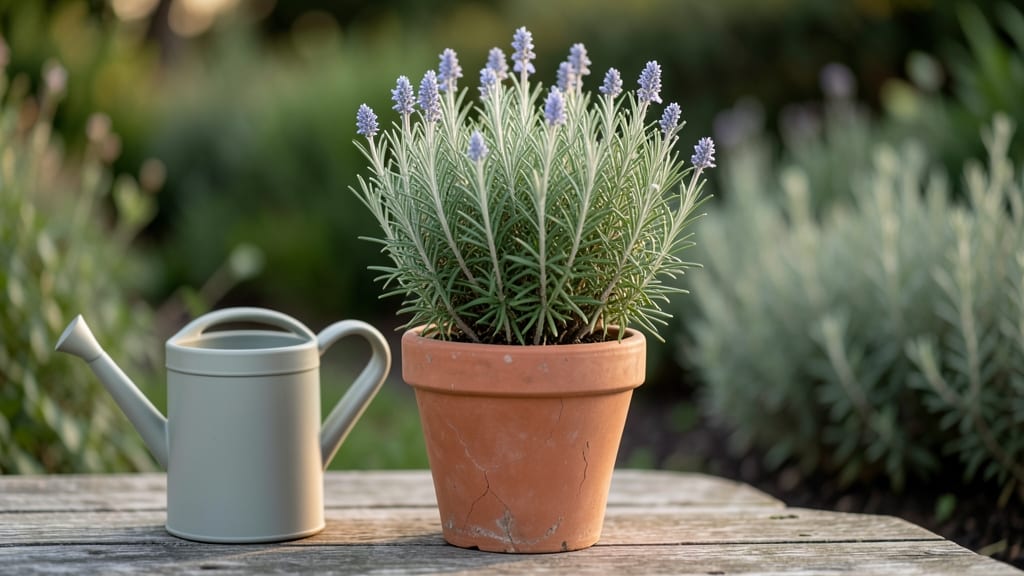
One of the biggest mistakes gardeners make is assuming does rosemary need a lot of water—this drought-tolerant herb despises soggy soil, and overwatering is the fastest way to kill it. 🌿
If you’ve ever watched your rosemary turn crispy at the edges or wilt despite your watering routine, you’re not alone. The key isn’t how much you water but how often you let the soil dry out completely between drinks.
Too much moisture leads to root rot, while too little can stress the plant—neither is what rosemary wants.
In pots, rosemary dries out every 5-7 days, while in-ground plants hold moisture longer, needing water every 10-14 days. Heat changes the game: in summer, check soil moisture daily, but winter’s chill slows evaporation, so you can stretch watering to every 3-4 weeks without worry.
Below, I’ll break down the exact watering schedule for your climate, how to tell if you’re over- or underwatering, and the one trick Mediterranean gardeners use to keep rosemary thriving with almost no effort.
How much water does rosemary actually need (and when to adjust)
Rosemary’s water needs are often misunderstood—this hardy Mediterranean herb actually thrives with minimal watering, making it perfect for low-maintenance gardens. Unlike thirsty annuals, rosemary prefers dry soil and can suffer from root rot when overwatered.
The key is understanding how season, soil type, and container size change its needs throughout the year.
In my experience growing rosemary for over five years, I’ve learned that overwatering is the #1 killer of this drought-tolerant plant. Even well-meaning gardeners often drown rosemary by following generic watering advice. Let’s break down exactly how much water rosemary needs—and when to adjust your routine for optimal growth.
| Condition | Rosemary Water Needs | Adjustments Needed |
|---|---|---|
| Season | Spring: Every 10-14 days Summer: Every 7-10 days Fall: Every 14-21 days Winter: Every 3-4 weeks |
Increase in extreme heat; reduce in rain |
| Soil Type | Well-draining, sandy, or gravelly | Amend clay soil with perlite; avoid heavy loam |
| Container Size | Small pots: Every 5-7 days Large containers: Every 10-14 days |
Use terracotta pots for faster drying |
| Climate | Dry climates: Less frequent Humid areas: More cautious |
Monitor soil moisture; avoid soggy conditions |
| Signs of Overwatering | Yellowing leaves, mold, wilting | Stop watering; repot if root rot suspected |
During spring and summer, rosemary enters its active growth phase and requires slightly more frequent watering—about every 7-14 days. However, this doesn’t mean you should water lightly.
Instead, give rosemary a deep soak that saturates the root zone, then allow the top 2-3 inches of soil to dry completely before watering again. This mimics its natural Mediterranean climate where rainfall is infrequent but intense.
In containers, rosemary dries out much faster than in-ground plants because pots lack the moisture retention of soil. I’ve found that potted rosemary often needs watering every 5-7 days during summer, especially in small containers.
Use your finger to check moisture—if the top inch feels dry, it’s time to water. Terracotta pots are ideal because they wick away excess moisture through their porous walls.
One of the biggest mistakes I see is watering on a schedule without checking soil conditions. Rosemary’s needs vary based on temperature, humidity, and rainfall.
For example, in hot, dry summers, you might need to water weekly, but during cool, rainy springs, you could go three weeks without watering. Always adjust based on soil moisture, not a calendar.
In fall and winter, rosemary’s growth slows dramatically, and its water needs drop significantly. During these seasons, I reduce watering to every 3-4 weeks, sometimes even less if winters are mild.
Overwatering in winter can lead to root rot, especially in heavy soils. If your rosemary is outdoors in a cold climate, reduce watering further—dormant plants store moisture efficiently.
Watch for signs of underwatering, like crispy leaf edges or a grayish hue, which indicate the plant is thirsty. However, these symptoms can also mimic overwatering stress, so always check the soil first.
Healthy rosemary should have vibrant green needles and a pine-like fragrance when crushed. If your plant looks sad but the soil is dry, it’s likely thirsty—give it a deep drink and monitor closely.
If you notice yellowing leaves or mold at the base of your rosemary, these are clear overwatering warnings. Yellow leaves often start at the bottom and work upward, while mold indicates excess moisture in the soil.
In these cases, stop watering immediately and let the soil dry out completely. If the roots smell rotten, you may need to repot the plant in fresh, dry soil to save it.
For indoor rosemary, which is common in kitchens, the biggest challenge is balancing humidity levels. Indoor air is often drier, so you might water slightly more frequently—but never let the soil stay soggy.
Place your potted rosemary near a south-facing window for optimal light and check soil moisture daily with your finger. A gravel tray under the pot can help prevent root rot by improving drainage.
Remember, rosemary’s water needs are highly adaptable to your local climate. In arid regions, you might water less often, while in humid areas, you’ll need to be more cautious. The key is always to observe your plant and adjust.
With the right watering routine, your rosemary will reward you with fragrant foliage and year-round harvests—no matter where you live. 🌿
5 Pro tips to water rosemary like a Mediterranean expert
Rosemary doesn’t just tolerate dry conditions—it thrives in them. Unlike many plants, rosemary hates soggy soil and actually suffers more from overwatering than underwatering. Mediterranean rosemary plants naturally grow in arid climates, so mimicking those conditions is key.
Here’s how to water like a pro, whether your rosemary lives in pots or garden beds.
First, understand that rosemary’s roots are deep and resilient, designed to seek moisture far below the surface. This means shallow watering tricks your plant into thinking it’s thirsty when it’s not.
Instead, focus on deep, infrequent watering that encourages strong root growth. The goal? Keep the soil dry between waterings—not damp.
Pro tip: Adjust for seasons—rosemary needs more water in summer (every 7-10 days) but less in winter (every 3-4 weeks). Always prioritize drainage: use pots with holes and avoid compacted soil.
With these habits, your rosemary will stay perky, fragrant, and full of life—just like in a Tuscan garden. 🌿