
Pruning
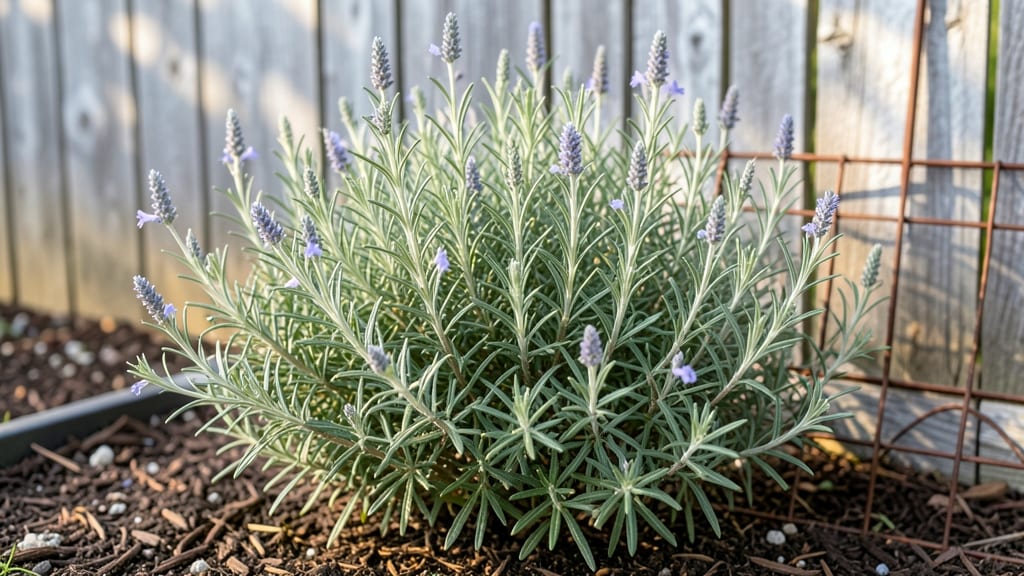
A healthy rosemary bush size can easily reach 3-5 feet wide if left unchecked—though mine stayed just 2 feet tall for years until I discovered the pruning trick that keeps them neat. ✂️ The key isn’t just cutting branches; it’s understanding how rosemary grows. (woody stems vs. soft new growth) and when to prune for compact shape.
Most gardeners overlook the late winter/early spring timing that makes all the difference. Indoor rosemary stays smaller—1-2 feet tall—because of limited light and space, but it still needs regular trimming to prevent legginess.
The same pruning rules apply: cut just above leaf nodes, never more than 1/3 of the plant at once, and use sharp shears to avoid tearing. My kitchen rosemary now fits perfectly on the windowsill while still producing enough sprigs for cooking.
What you’ll end up with is a bush that matches your space—whether that’s a 6-inch container on your patio or a 3-foot hedge along your fence line. The fragrance alone makes it worth the effort, plus you’ll never buy rosemary at the grocery store again.
For container gardening, dwarf varieties like ‘Blue Spires’ stay under 2 feet tall naturally. The secret to controlling size isn’t complicated: prune young, prune often, and never let it get woody. Even my black thumb can’t mess this up once you know the basics.
Ready to shape your rosemary like a pro?
📚 In This Guide
- What you need
- Instructions
- Tips and common mistakes
- Wrapping up and next steps
What you need
- ● Rosemary plants: Start with 1–3 healthy rosemary bushes (choose compact varieties like 'Prostratus' or 'Blue Spires' for smaller growth).
- ● Well-draining soil: 5–10 gallons of cactus/succulent mix or a blend of 60% potting soil + 40% perlite/sand.
- ○ Containers (optional but recommended): 1–3 12–18-inch diameter pots with drainage holes (for potted rosemary).
- ● Or, a sunny garden bed with at least 3 feet of spacing between plants (for in-ground growth).
- ● Pruning shears: Bypass pruners (sharp, clean, and sanitized with rubbing alcohol).
- ● Gloves: A pair of gardening gloves (to protect from thorns and sap).
- ● Mulch: 2–3 inches of gravel or pine bark (to retain moisture and deter weeds).
- ● Slow-release fertilizer: A balanced 10-10-10 or rosemary-specific formula (apply sparingly, 1–2 times per year).
- ● Plant support: Small stakes or cages (for leggy or top-heavy varieties).
- ● Pruning hormone: Rooting powder (if propagating cuttings).
- ● Watering can or hose: With a gentle spray nozzle (rosemary hates soggy roots!).
- ○ Sunlight meter (optional): To confirm your rosemary gets 6+ hours of direct sun daily.
How to control rosemary bush size through strategic pruning
Here's how I keep my rosemary compact, bushy, and thriving—no matter how much space you have.
✂️ Step 1: Understand the Right Time to Prune
Prune rosemary right after flowering or in early spring before new growth begins. This is when the plant has the energy to recover and branch out. Avoid cutting back in late fall or winter, as rosemary struggles to regenerate in cold weather. You'll see fresh, vibrant growth within 2-3 weeks of pruning if done at the right time.
I always prune on a dry, sunny day to prevent stress. The plant’s natural oils protect it from some moisture-related issues, but damp conditions slow recovery. If you miss the ideal window, don’t worry—just wait until the next growth cycle. The key is consistency over perfection.
✂️ Step 2: Shape the Bush with Precision Cuts
Use clean, sharp pruning shears to make 45-degree cuts just above a leaf node or set of leaves. This angle helps water run off and prevents rot. Never cut into old, woody stems—rosemary won’t regrow from bare wood. Instead, focus on the new green growth at the tips.
Step back and visualize the shape you want. For a rounded bush, cut back the longest stems first to balance the plant’s form. I like to leave the center slightly open to allow airflow, which reduces disease risk. If a branch looks leggy, trim it back by one-third to encourage bushier growth.
✂️ Step 3: Encourage Bushier Growth with Strategic Trimming
To keep rosemary compact, trim the top third of the plant in early spring. This forces the plant to branch out from the base, creating a fuller shape. Avoid cutting into the woody center—this kills the plant. Instead, focus on the outer stems where new growth is happening.
Watch for new side shoots forming after pruning. These are your signal that the plant is responding well. If you see sparse growth, it might need more sunlight or a lighter trim. Rosemary thrives with 6-8 hours of direct sun daily, so adjust pruning if the plant looks stressed.
✂️ Step 4: Maintain Size Year-Round with Light Trims
Throughout the growing season, do light maintenance pruning to keep the bush tidy. Snip off any dead, yellowed, or overgrown stems to encourage fresh growth. This isn’t about drastic size control but keeping the plant healthy and shaped. A little pruning every 4-6 weeks prevents the bush from becoming unruly.
If your rosemary starts to look too large, don’t panic. Simply trim back 1-2 inches from the tips of the longest stems. The plant will adjust quickly, and you’ll avoid the shock of heavy pruning. Over time, this method keeps the bush at your desired size without stressing the plant.
✂️ Step 5: Revive Overgrown Rosemary with a Renewal Cut
If your rosemary has grown too tall or leggy, don’t give up. A renewal cut can bring it back to life. In early spring, cut the entire plant back by half its height, but leave at least 6 inches of growth above the base. This drastic trim forces the plant to regrow from the bottom, creating a denser, more compact bush.
After a renewal cut, water the plant deeply and place it in bright, indirect light for a week to recover. You’ll see new growth within 3-4 weeks, and the plant will gradually fill out. This method works best for mature rosemary that’s outgrown its space—it’s like hitting the reset button.
Tips & tricks for perfect rosemary bush size
These simple secrets will help you maintain a lush, compact rosemary bush without sacrificing its health or beauty.
Timing is Everything: The 2-3 week window after pruning is when you'll notice the biggest difference. That's when new growth really starts to take off, so don't skip the follow-up care. I've learned that if I prune in late spring, I often see the best results because the plant has more growing season ahead to recover and fill out.
Tool Matters: Using clean, sharp pruning shears isn't just about making neat cuts—it's about plant health. Dull blades crush stems, which can introduce disease. I keep a small bottle of rubbing alcohol nearby to wipe down my shears between cuts, especially when working with multiple plants. This simple habit has kept my rosemary thriving for years.
Visual Cues for Pruning: When you're shaping your bush, look for the little leaf nodes where new growth emerges. These are your target spots for cuts. I always count three nodes up from the base before making my cut—this ensures I'm always cutting above a growth point rather than into bare wood. The plant will thank you with bushier, more vigorous growth.
Sunlight Strategy: Those 6-8 hours of daily sun are non-negotiable for rosemary's health and growth pattern. If your plant starts looking stressed after pruning, it might need more light. I've found that moving potted rosemary to a south-facing window or balcony for a few weeks after heavy pruning gives it the boost it needs to recover quickly.
Pro Tips for Rosemary Bush Size
- These simple secrets will help you maintain a lush, compact rosemary bush without sacrificing its health or beauty.
- Timing is Everything: The 2-3 week window after pruning is when you'll notice the biggest difference.
- Tool Matters: Using clean, sharp pruning shears isn't just about making neat cuts—it's about plant health.
Frequently asked questions
Got questions about keeping your rosemary bush at the perfect size?
You’re not alone! Here are some of the most common queries—and their straightforward answers—to help you master pruning like a pro.
What’s the ideal mature size for a rosemary bush?
A well-maintained rosemary bush typically grows 3–5 feet tall and 3–4 feet wide. However, dwarf varieties (like Rosemarinus officinalis ‘Prostratus’) stay under 2 feet tall and spread wider, making them perfect for borders or containers. Prune regularly to control size and encourage bushier growth.
When is the best time to prune rosemary for compact growth?
Prune rosemary after flowering (late spring to early summer) or in early spring before new growth begins. Avoid heavy pruning in fall or winter, as it can stress the plant. Light trimming to shape is fine year-round, but major size control should wait for the growing season.
How much can I trim back a rosemary bush without harming it?
You can safely trim up to ⅓ of the plant’s height in one session, but avoid cutting into old, woody stems—these won’t regrow. Focus on green, flexible growth to encourage new shoots. For severely overgrown bushes, prune gradually over 2–3 years to avoid shock.
Why is my rosemary bush growing leggy or sparse after pruning?
Leggy or sparse growth often happens from over-pruning, poor light, or underwatering. Ensure your rosemary gets 6+ hours of sunlight daily and prune just above a leaf node (not bare stems). If it’s woody at the base, propagate cuttings to revive it!
Can I keep rosemary small in a container, and what’s the best pot size?
Yes! Rosemary thrives in containers with at least 12–18 inches of depth and drainage holes. Use a terracotta pot (to wick moisture) and prune regularly to prevent root-bound stress. Dwarf varieties do well in smaller pots (10+ inches), while standard rosemary needs room to spread.
Wrapping up and next steps
Mastering the art of pruning your rosemary bush isn’t just about keeping it tidy—it’s about unlocking its full potential for compact, vibrant growth! 🌿 Whether you’re trimming for shape, health, or harvest, the key lies in patience, timing, and technique.
With the right tools and a little love, your rosemary can thrive year after year, gracing your garden (or kitchen!) with lush, fragrant foliage.
Ready to take the next step? Start small: pick one bush to practice your pruning skills, and watch as your confidence—and your rosemary’s size—transforms. Happy pruning! ✂️✨