
Size
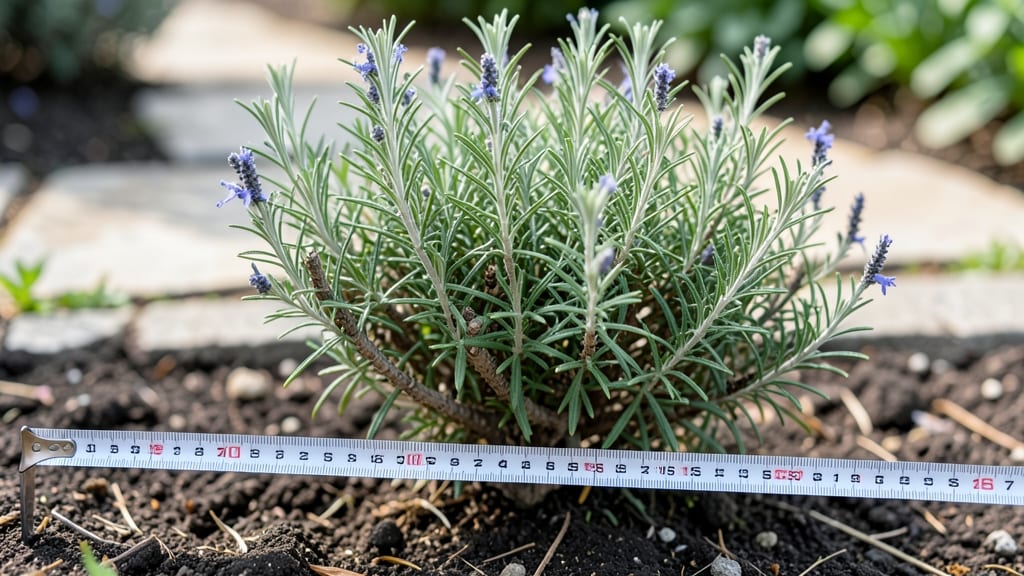
Rosemary needs at least 3 feet of space to grow to its full potential 🌿 — whether you're planting it in the ground or a container, cramming it too close will stunt its growth and flavor.
Struggling to keep your rosemary thriving? The right spacing can mean the difference between a fragrant, bushy plant and a struggling, leggy herb—especially when growing in containers. Too little room leads to competition for nutrients, while too much space wastes your garden real estate.
Upright varieties like 'Tuscan Blue' reach 4-6 feet tall and need 3-4 feet between plants, while dwarf types like 'Prostratus' stay compact at 1-2 feet and can share a pot with other herbs.
In-ground rosemary benefits from full sun exposure and well-draining soil, but even in pots, proper spacing ensures strong roots and abundant growth.
Below, I’ll break down the exact spacing for containers and garden beds, how to adjust for different varieties, and the pruning tips that keep rosemary lush without overcrowding. Let’s get your rosemary thriving!


Ideal rosemary spacing for containers and garden beds
Getting your rosemary spacing right is one of the easiest ways to ensure a thriving, fragrant plant. Too little space leads to crowded growth, while too much wastes valuable garden real estate.
Since rosemary can grow 3 to 6 feet tall and spread 2 to 4 feet wide, proper spacing prevents competition for nutrients and sunlight. Whether you're growing in containers or garden beds, understanding these dimensions will help you avoid common mistakes like yellowing leaves or stunted growth.
Rosemary thrives in well-draining soil and full sun, but its spacing needs vary dramatically between containers and in-ground planting. In pots, you'll focus on container size and drainage holes, while in garden beds, you'll prioritize plant spacing and air circulation.
Let’s break down the ideal spacing for both scenarios to keep your rosemary healthy and productive.
| Growing Method | Spacing Requirement | Container Size (if applicable) | Mature Dimensions |
|---|---|---|---|
| Containers (Pots) | 1 plant per container | 12" diameter x 12" depth (minimum) | 2-3 ft tall x 2-3 ft wide |
| Garden Beds (In-Ground) | 2-3 ft apart | N/A | 3-6 ft tall x 3-4 ft wide |
| Dwarf Varieties (e.g., 'Prostratus') | 1-2 ft apart | 8" diameter x 10" depth | 1-2 ft tall x 2-3 ft wide |
| Upright Varieties (e.g., 'Tuscan Blue') | 3-4 ft apart | 14" diameter x 14" depth | 4-6 ft tall x 3-4 ft wide |
For container gardening, a 12-inch diameter pot is the minimum size for a single rosemary plant. This ensures enough root space and prevents the plant from becoming root-bound. If you're growing multiple rosemary plants in one container, space them at least 12 inches apart to avoid competition.
Remember, rosemary has a woody root system, so containers need to be deep enough to accommodate this growth.
In garden beds, rosemary needs 2 to 3 feet of space between plants to allow for proper air circulation and prevent disease. If you're planting upright varieties like 'Tuscan Blue', give them 3 to 4 feet of space to reach their full height without crowding.
For dwarf varieties, like 'Prostratus', you can space them 1 to 2 feet apart since they stay low and bushy. Proper spacing also makes it easier to harvest sprigs without damaging the plant.
One common mistake gardeners make is overcrowding rosemary in the belief that more plants equal more harvests. However, crowded rosemary plants compete for water and nutrients, leading to weak growth and pale leaves.
If you notice your rosemary looking leggy or sparse, it’s likely a sign that it needs more space. Prune back overgrown branches to encourage bushier growth, but also consider repotting or transplanting if the plant is truly outgrowing its current space.
Another key factor is soil quality. Rosemary prefers well-draining, sandy soil with a pH between 6.0 and 7.5. If your garden soil is heavy or clay-like, amend it with compost or perlite to improve drainage.
In containers, use a cactus or succulent mix combined with perlite or sand to mimic its natural growing conditions. Proper soil preparation, combined with the right spacing, will give your rosemary the best chance to thrive.
If you're growing rosemary in urban containers, like on a balcony or patio, choose upright varieties for smaller spaces. These varieties, like 'Arp', grow 3 to 4 feet tall but stay relatively compact.
For trailing varieties, like 'Prostratus', use hanging baskets or tall containers to allow the stems to cascade beautifully. Just ensure the container has drainage holes to prevent root rot, which is a common issue with rosemary in containers.
Finally, remember that rosemary is a perennial herb in USDA zones 8 through 10, meaning it will continue to grow year after year if given the right conditions. Proper spacing now will pay off in years of abundant harvests.
Whether you're growing rosemary for its fragrant leaves, culinary uses, or simply as an ornamental plant, the right spacing is the foundation of a healthy, productive rosemary plant.
Ready to give your rosemary the space it deserves? Start by assessing your garden layout or container setup, then adjust your spacing based on the variety you're growing. With the right dimensions, your rosemary will reward
How to adjust rosemary spacing for different varieties
Not all rosemary varieties grow the same! Upright varieties like 'Tuscan Blue' reach 4-6 feet tall and need 3-4 feet of space to thrive, while trailing types like 'Prostratus' stay low but spread 3-5 feet wide.
Choosing the right container or garden spot depends entirely on your rosemary's growth habit—get this wrong, and you'll end up with leggy, crowded plants instead of lush, fragrant bushes. 🌿
For container gardening, dwarf varieties like 'Blue Spires' thrive in 5-gallon pots with 12-18 inches of space between plants, while standard varieties need 7-10 gallon containers spaced 2-3 feet apart.
Trailing rosemary, however, can spill beautifully over hanging baskets or wide, shallow planters—just ensure the container is at least 12 inches deep to accommodate those long, cascading stems. ✂️
If you're growing multiple rosemary varieties together, prioritize upright types at the back of raised beds or garden borders, with trailing varieties spilling over edges. This creates a natural, layered look while preventing overcrowding.
For container combinations, pair dwarf rosemary with thyme or oregano—they share similar sun and water needs but won’t compete for space. 🪴
One common mistake is assuming all rosemary needs the same space. 'Tuscan Blue' in a 5-gallon pot will become root-bound within a year, while 'Prostratus' in a tall, narrow container will flop over from lack of support.
Always match the container size to the mature plant dimensions, and leave extra room for pruning—rosemary responds well to light trimming to encourage bushier growth. ☀️
For urban gardeners with limited space, dwarf varieties are your best bet. A 5-gallon pot on a balcony railing can produce harvests year-round if given full sun and well-draining soil. Pro tip: Use terracotta pots—they wick away moisture, preventing root rot in hot, humid climates.
And if you’re growing trailing rosemary, add a small trellis to support the stems and create a lush, cascading display. 🌱
Remember, rosemary hates soggy roots. Whether you're planting in ground beds or containers, ensure excellent drainage by mixing sand or perlite into the soil. For upright varieties, add a stake when planting to support their woody stems as they mature.