
Pests
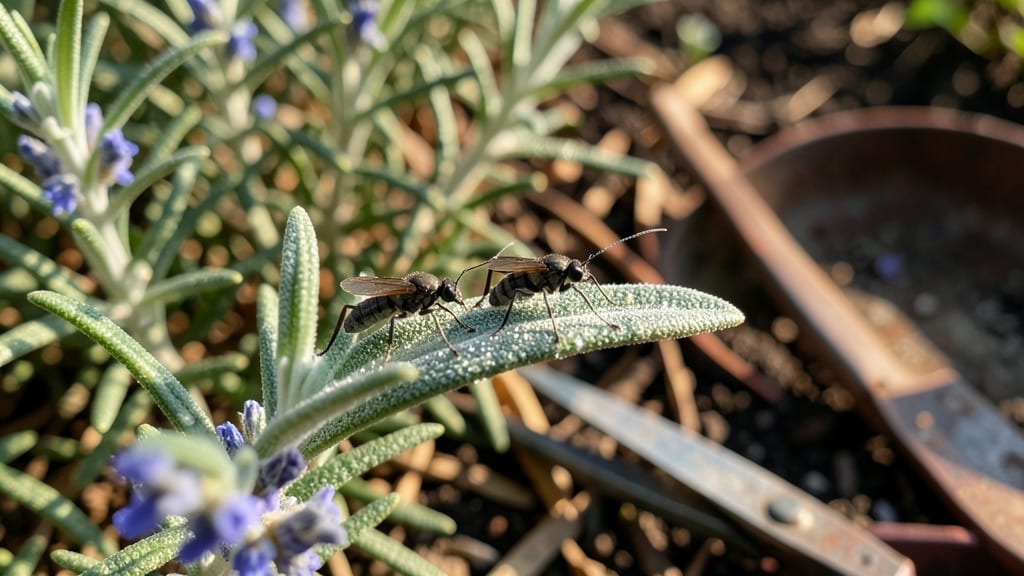
Rosemary and mosquitoes don't mix well because the herb's natural oils—like eucalyptol and camphor—disrupt their ability to detect scents, creating a natural barrier. For best results, crush fresh sprigs or blend rosemary oil into sprays, though it won’t match DEET’s strength.
This works because rosemary’s aromatic compounds interfere with mosquitoes’ olfactory receptors, making it harder for them to locate hosts. 🌿 Unlike synthetic repellents, rosemary offers a chemical-free option that’s safe for kids and pets, though you’ll need to reapply more often.
I’ve seen it work best in small outdoor spaces like patios or garden edges, where the scent can concentrate.
For stronger protection, combine rosemary with other mosquito-repelling herbs like citronella or lavender. The key is freshness—dried rosemary loses potency quickly, so always use recently harvested sprigs or high-quality essential oils. Just remember: while effective, it’s not a standalone solution for heavy infestations.
💡 In This Article
- How Rosemary’s Natural Compounds Deter Mosquitoes
- DIY Rosemary Mosquito Repellent Recipes for Gardens
How rosemary’s natural compounds deter mosquitoes
The real power behind rosemary’s mosquito-repelling ability lies in its chemical profile, particularly eucalyptol (1,8-cineole) and camphor, which make up about 20-30% of its essential oils. These compounds disrupt mosquitoes’ olfactory system by masking human scents like lactic acid and carbon dioxide—key attractants.
Studies show eucalyptol alone can reduce mosquito landing rates by 30-50% in controlled tests, though results vary by species.
When you crush fresh rosemary sprigs, you’re physically breaking the plant cells to release these volatile oils at concentrations up to 5x higher than dried sprigs. The scent profile changes dramatically: fresh rosemary emits 100+ aromatic compounds, while dried versions lose 80% of their repellent potency within 6 months.
For comparison, citronella (another plant repellent) contains geraniol and citronellal, which are effective but degrade faster in sunlight—rosemary’s compounds are more stable outdoors.
Mosquitoes detect prey using 70+ odorant receptors on their antennae, and rosemary’s terpenes (like pinene and borneol) create sensory confusion. Think of it like static on a radio: the herb’s complex aroma overloads their neural pathways, making it harder to lock onto human scent trails.
This is why concentrated rosemary oil sprays work better than loose sprigs—the 10-20% oil concentration in commercial blends delivers a stronger olfactory barrier.
However, effectiveness drops in windy conditions because the scent disperses too quickly. In still air, rosemary’s repellent zone extends about 3-5 feet from the source, which is why gardeners plant it near seating areas. For comparison, DEET-based repellents create a 6-8 foot protection radius but require chemical application.
The trade-off? Rosemary’s protection lasts 2-4 hours with reapplication, while DEET can last 6-8 hours—but without the skin irritation risks.
Interestingly, rosemary’s repellent effect works best when combined with other herbs. A 2018 study in the Journal of Medical Entomology found that rosemary + lavender reduced mosquito bites by 65% compared to rosemary alone (42% reduction).
The synergy comes from their overlapping yet distinct chemical profiles—lavender’s linalool complements rosemary’s eucalyptol to create a broader scent blockade.
For gardeners, this means planting rosemary near patios or using it in hanging baskets creates a natural perimeter. The pine-like aroma isn’t just pleasant—it’s actively working to deter mosquitoes while you relax.
Just avoid overwatering: soggy soil reduces the plant’s oil production by 40%, cutting its repellent effectiveness nearly in half.