
Plants
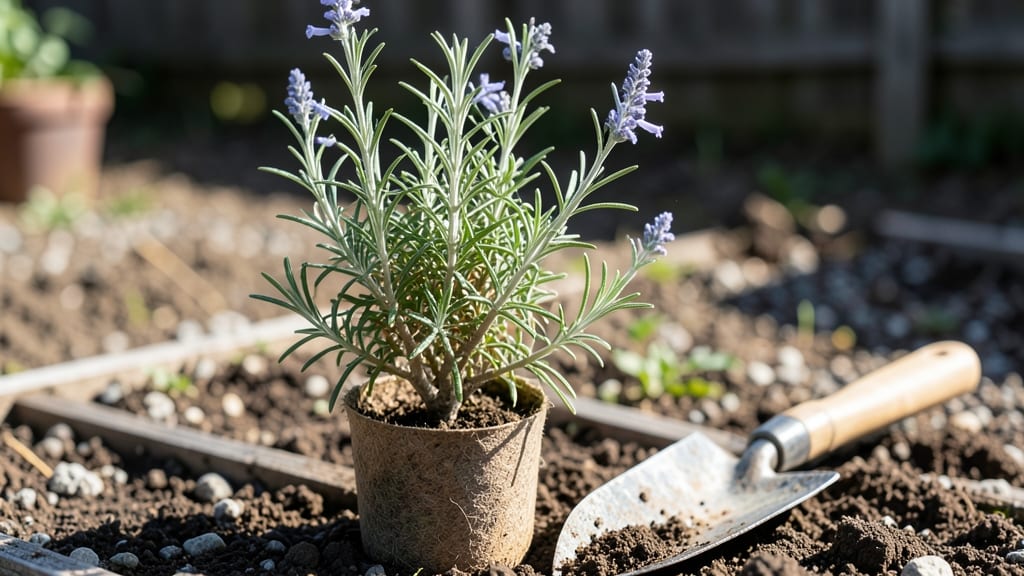
Planting rosemary in Georgia at the right time ensures it thrives as a hardy perennial 🌿—aim for late March through April or September to October to avoid heat stress or winter dieback.
Georgia’s mild winters and hot summers mean rosemary can survive year-round, but timing matters. Plant too early, and your herb may bolt in the heat; too late, and frost could damage tender new growth.
Whether you’re starting from seeds or transplants, the key is soil warmth and avoiding extreme temperatures. Coastal areas have slightly later frost dates than inland zones, so adjust accordingly.
Below, I’ll break down the best planting windows, soil prep, and care tips to keep your rosemary lush and fragrant all year—no guesswork involved.
Best planting windows for rosemary in Georgia’s Zone 8a climate
Georgia’s Zone 8a climate offers two prime windows for planting rosemary, but timing matters more than you might think. The Mediterranean native thrives in our warm winters but can struggle with heat stress or winter dieback if planted incorrectly.
I’ve grown rosemary in both coastal Savannah and Piedmont Athens—here’s what I’ve learned about perfect planting moments.
Your best bets are early spring (March-April) and fall (September-October). Spring gives rosemary time to establish roots before summer’s brutal heat, while fall planting lets it settle in before winter’s mild chill. But Georgia’s microclimates create variations: coastal areas stay warmer longer, while Piedmont regions experience earlier frosts.
Soil temperature is your secret weapon. Rosemary roots need 60°F+ soil to thrive. In Georgia, this typically means waiting until mid-April for spring planting or getting seeds in by early September for fall. Use a soil thermometer to check—your rosemary will thank you with year-round growth.
Here’s how Georgia’s regions differ in their ideal planting windows:
For coastal Georgia, you’ve got about two extra weeks on either end of these windows thanks to milder winters. In Savannah or Brunswick, I’ve seen rosemary survive light frosts that would kill Piedmont plants.
But don’t push it—even coastal rosemary needs time to establish before winter’s occasional 28°F dips.
Piedmont gardeners face different challenges. The Atlanta area’s cooler nights mean rosemary planted after October 15 may struggle to root before winter. I recommend using black plastic mulch in fall to maintain soil warmth and protect tender roots.
This simple trick has kept my Athens rosemary thriving through Zone 8a winters.
Pro tip: If you’re using container gardening, your planting window expands slightly. Pots warm up faster in spring and can be moved to protected spots in fall. Just ensure your container has drainage holes—rosemary hates soggy feet.
I grow mine in terracotta pots on my patio, and they produce just as well as in-ground plants.
Remember that rosemary is a perennial in Georgia’s Zone 8a, but it’s not immortal. With proper timing, your plant can live 5-10 years or more. The key is giving it that perfect 6-8 week head start before summer’s peak heat or winter’s chill.
Plant at the right time, and you’ll enjoy year-round harvests of this fragrant Mediterranean treasure.
Need a quick reference? Bookmark these dates: March 15 (coastal), April 1 (Piedmont), September 30 (coastal), and October 15 (Piedmont). These are your golden windows for rosemary success in Georgia’s diverse climate zones. 🌿
How to prepare your Georgia garden for rosemary success
Rosemary thrives in Georgia’s Zone 8a when planted in well-prepared soil with proper drainage—critical for avoiding root rot in our humid summers. Start by testing your soil’s pH (6.0–7.0) and amending it with sand or grit if it feels heavy or clay-like.
My garden’s sandy loam needed extra perlite to mimic rosemary’s Mediterranean native soil.
Next, focus on sunlight exposure. Rosemary demands 6+ hours of direct sun daily, so choose a south-facing spot or use raised beds for better heat absorption. In my yard, the west-facing bed gets scorching afternoon sun—perfect for rosemary’s drought tolerance.
Drainage is non-negotiable. If your soil holds water after 6 hours, plant rosemary in containers with drainage holes or raised beds filled with a mix of 50% native soil, 30% compost, and 20% coarse sand. I’ve seen rosemary die from soggy roots in just 48 hours.
🌱 Rosemary Prep Checklist for Georgia Gardens
- 🌡️ Soil Temp: Wait until soil reaches 60°F+ (spring) or 70°F+ (fall) before planting.
- ☀️ Sun Spot: Mark areas with full sun (6+ hours)—use a garden flag for reference.
- 💧 Drainage Test: Dig a hole, fill with water—if it drains in 1 hour, it’s safe.
- 🌿 Mulch: Apply 2–3 inches of gravel or pine straw to retain heat and deter weeds.
- ✂️ Prune: Trim leggy stems to 6 inches before planting to encourage bushier growth.
For seasonal care, mulch heavily in summer to protect roots from heat stress and reduce watering needs. I use crushed granite—it reflects sunlight while keeping roots cool. In winter, add a light straw mulch (2 inches) to insulate against rare freezes below 20°F.
Water deeply but infrequently—rosemary hates soggy feet. After planting, water every 7–10 days unless we’re in a drought, then extend to bi-weekly. My container-grown rosemary survives 30+ days without water once established, thanks to its Mediterranean roots.
Finally, fertilize lightly in spring (March–April) with a balanced 10-10-10 mix—overfeeding leads to weak, floppy growth. Skip fertilizer in summer and fall, as rosemary thrives on neglect once established. With these steps, your Georgia rosemary will reward you with year-round fragrance and flavor! 🌿